Exploring secret underground rivers without a tour guide
🚀 Key Takeaways
- Key concept : There is a difference between accessible cenotes and technical underwater caves, and safety matters.
- Practical tip : Go with an informed local contact, prepare basic gear (mask, snorkel, headlamp) and never dive into submerged passages without certification.
- Did you know : Some cave systems near Tulum and Playa del Carmen form part of Sac Actun, one of the longest underwater cave networks in the world.
Silence, and water like glass.
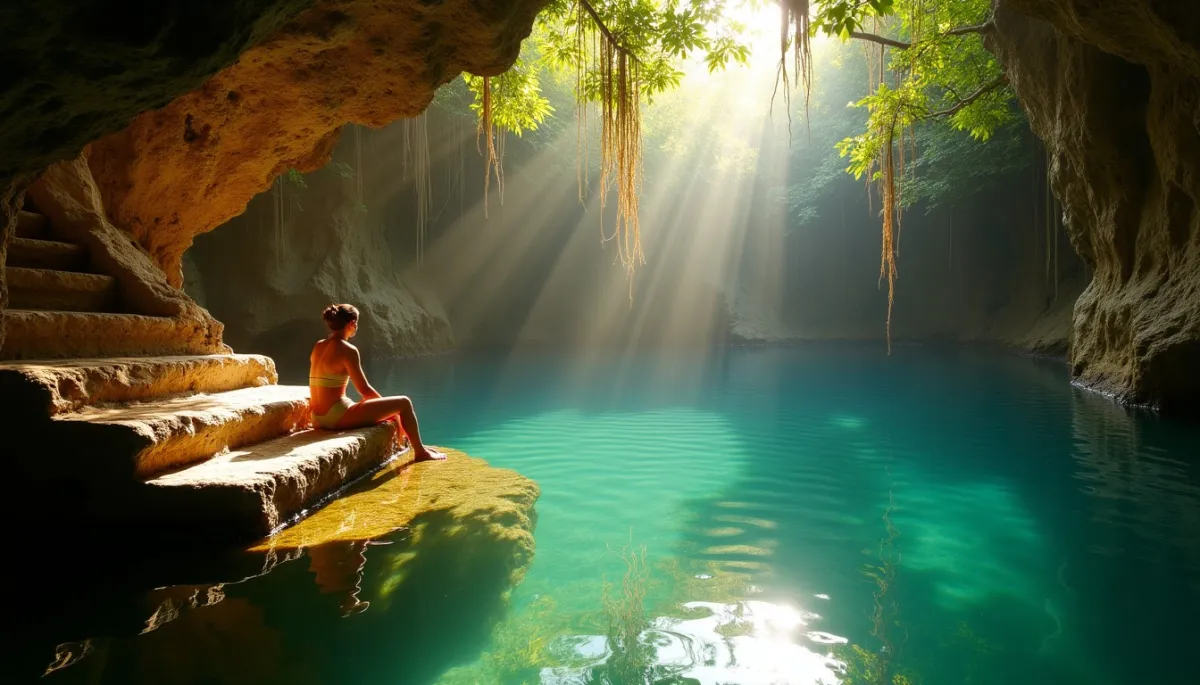
You step down a narrow limestone stair into a dim pool, palms brushing the warm humid air. Stalactites point like ancient teeth above, and somewhere beyond the first curve a slow current murmurs. This is not the commercial show cave, but a lesser-known sinkhole where the light falls differently, and the river seems to keep its secrets.
Eaux cachées
The Riviera Maya sits on a karst platform. That means rainwater dissolves limestone over millennia, carving conduits and caverns that channel freshwater to the sea. These conduits are cenotes and underground rivers, famed since Maya times for their spiritual and practical role.
Not all are the same. Some cenotes are open pools with easy access, others are semi-submerged caverns, and a minority are true submerged cave systems that require technical cave-diving expertise. Since explorations and connections made public in the 2000s and 2010s, researchers estimated the Sistema Sac Actun and neighboring systems exceed hundreds of kilometers of passages, making this region globally unique.
For the curious traveler, the appeal is obvious. You can swim in crystalline water, observe blind fish and mineral formations, and feel the intimacy of a place that predates modern tourism. Yet that intimacy has a price if approached without care: disorientation, fragile ecosystems, and legal issues can quickly turn an adventure into a problem.
Pourquoi s'aventurer
Since about 2010, social media and a craving for authentic experiences have pushed visitors beyond marked trails. People want stories to tell, images that differ from the resort postcard. Exploring less trodden cenotes satisfies that search for the original, the hidden.
There are also scientific and cultural reasons. The underwater caves of the Yucatán hold archaeological and paleontological treasures. Notably, the Hoyo Negro project revealed "Naia", a 12 000 to 13 000-year-old human skeleton, underscoring how these spaces link us to deep time.
Practically, going unguided can be cheaper and more flexible. Locals who grew up near cenotes often know spots that never made it to tourist maps. With respect, a respectful dialogue with landowners or community members can open doors to quiet places that remain largely unvisited.
Risques et respect
First, safety. Submerged caves are deceptively dangerous. Visibility can drop, currents exist, and passages narrow. Cave diving (penetrating beyond light) requires training, redundant gear, and guideline techniques. Do not improvise with a snorkel and a flashlight.
Second, legal and cultural boundaries matter. Many cenotes are on private land, and some are under community stewardship. Entering without permission can be illegal and harmful to relationships between locals and visitors. Ask, pay a fair access fee, and follow rules about changing clothes, sunscreen, and waste.
Third, ecological fragility. The stalactites and microbial mats you admire took thousands of years to form. Oils from sunscreen, litter, or rough contact can alter water chemistry and damage formations. Practice leave-no-trace: no soaps, no single-use plastics, and minimal noise.
Conseils pratiques
If you decide to explore less-known rivers without a tourist group, prepare. Travel with at least one experienced companion, tell someone on shore your plan, and set time limits. Bring a primary and backup light (waterproof headlamp plus handheld), a good snorkel mask, fins, and a light rope to mark an entry point if necessary.
Consider hiring a local guide for the first visit, even if you intend to be independent later. A local will point out current patterns, hidden drop-offs, and landowners to contact. Many cenote owners prefer to work with trusted visitors who respect rules and compensate fairly.
Finally, educate yourself about markings and signage. In Quintana Roo, official eco-reserves and protected areas sometimes forbid unguided access. Check municipal regulations, and when in doubt, prioritize safety and permission over discovery.
Exploring secret underground rivers can be a transformative experience, connecting you to geology, history, and the silent life of freshwater ecosystems. Done with care, it rewards you with memories that last far beyond the photograph.
Thanks for reading, and don't forget, Enjoy Life Moments!