Playa del Carmen markets: a guide to eating like a local
🚀 Key Takeaways
- Key concept: Local markets (mercados and tianguis) are where everyday Mexican food culture is most authentic.
- Practical tip: Visit early for produce, 6–9pm for tacos; pay in pesos and sit where locals sit.
- Did you know: The word tianguis comes from Nahuatl (tianquiztli), a market tradition that predates colonisation.
Welcome to the marketplace. Stalls hum, women roast corn, a fire crackles under a trompo of al pastor.
Morning harvest
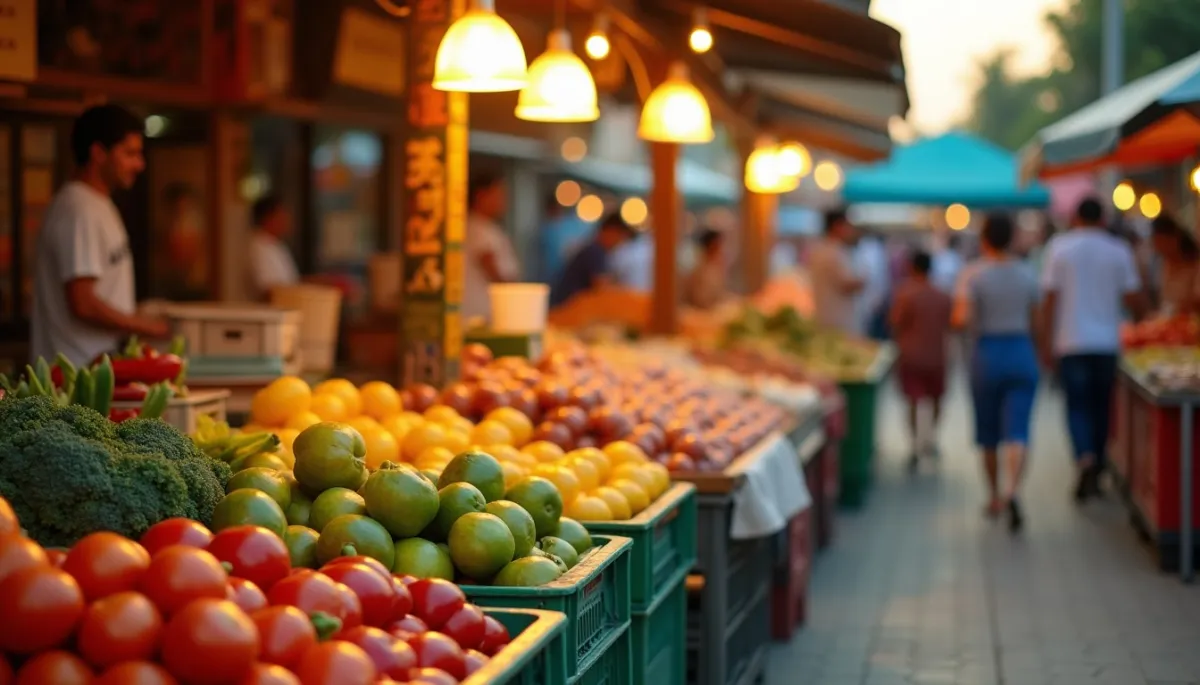
Before the sun hits Fifth Avenue, mercados fill with vendors stacking crates of papaya, plantain, and chiles. The Municipal Market in Playa del Carmen—where neighbours buy for the day—still opens early, and the produce is often harvested the same morning from nearby cenotes and fields.
Buyers haggle gently, comparing smells of ripe mangoes and the gloss of fresh catch. Fish sellers display snappers and redfish on ice; ask for "limpia" (a quick rinse) and a squeeze of lime, the simplest way to taste the Caribbean.
Tip: Bring small bills and a cloth bag. Many stalls accept cash only; paying in pesos usually gives you a better price than cards or dollars.
Street rituals
As evening approaches, aromas shift to grilled meats and slow-simmered stews. Tacos al pastor—marinated pork cooked on a vertical spit—have roots in Lebanese shawarma but became a Mexican staple in the 20th century. In Playa, they appear at market stands, carved thin, topped with pineapple and cilantro.
Try cochinita pibil if you want Yucatecan depth: citrus-marinated pork wrapped in banana leaf, traditionally cooked in a pit. Marquesitas are the crunchy-sweet counterpoint, a local dessert invented in Yucatán that you’ll find folded like a crepe with cheese or Nutella.
Eat where locals eat. Observe who returns to the same stand. A quick question to a vendor—"¿Cuál es el más pedido?"—will point you to the safest, tastiest choice.
Changing tides
Markets evolve. Since the 2000s, tourism has brought gourmet stalls and fusion offerings along the coast. While this diversifies choices, it can push prices up and shift foot traffic toward Quinta Avenida's tourist traps.
Yet many families maintain century-old recipes. You’ll still find women who prepare tamales in the same way their grandmothers did, often at stalls without signage. In 2019 and after the pandemic, a renewed local interest in traditional foods helped small vendors regain customers.
Balance curiosity with caution: choose busy stalls, watch food preparation, and avoid raw items if you have a sensitive stomach. Learning a few Spanish phrases helps—most vendors appreciate the effort and will gladly explain ingredients.
Thanks for reading, and don't forget, Enjoy Life Moments!