Can you see jaguars in the Riviera Maya?
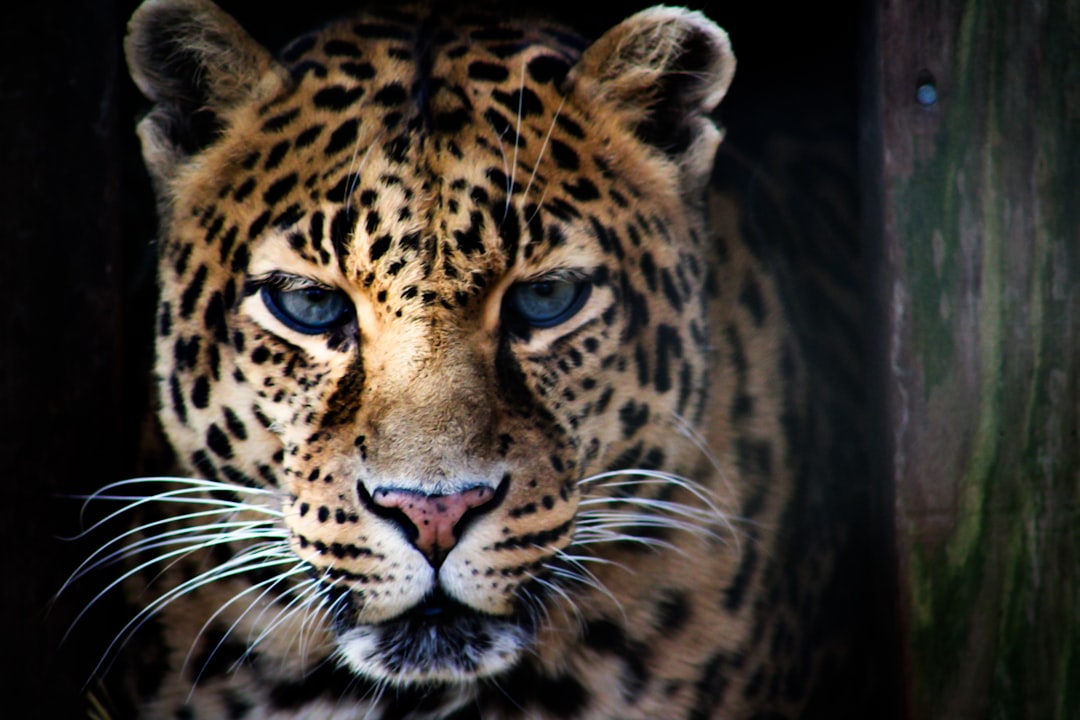
The Riviera Maya sits on the northeastern edge of the jaguar's historical range on the Yucatán Peninsula, but true wild encounters are extremely rare. Jaguars persist in fragmented populations across the peninsula, mostly in large, protected forests rather than along the busy coastal corridor.
If you're hoping to see a jaguar during a beach vacation, prepare for patience, luck, and realistic expectations. This guide explains where jaguars still exist nearby, how travelers can increase their chances responsibly, and why conservation matters.
Are jaguars actually in the Riviera Maya?
Historically, jaguars ranged across much of Mexico, including the Yucatán. Today, they still inhabit parts of the Yucatán Peninsula, but sightings near the typical Riviera Maya tourist zone (Playa del Carmen, Tulum, Cancún) are exceptionally uncommon. Habitat fragmentation, human activity, and prey availability have pushed jaguars toward larger, less disturbed reserves.
Nearby protected areas such as the Sian Ka'an Biosphere Reserve and the broader Calakmul region in Campeche host the best-known jaguar populations on the peninsula. While Sian Ka'an is geographically linked to the Riviera Maya, the dense jungle and limited access make real wild sightings a rare event even for experienced trackers.
Where to try: wild reserves, research projects and controlled viewing
Calakmul Biosphere Reserve (in Campeche) is widely cited as one of the best places in the Yucatán to encounter jaguars, mainly via camera-trap programs and guided expeditions that focus on wildlife tracking. Sian Ka'an (Quintana Roo) has jaguars on camera traps and occasional reports, but sightings require luck and long, quiet excursions with knowledgeable guides.
For travelers unwilling to rely purely on chance, some accredited wildlife centers and conservation projects in the broader Yucatán region offer educational encounters or may display rescued animals under professional care. These controlled settings provide safer, more reliable opportunities to learn about jaguars without promoting harmful wildlife interactions.
Responsible viewing: ethics, laws and conservation
Jaguars are protected under Mexican law and international agreements; their conservation depends on respecting habitat and following strict viewing guidelines. Never approach, feed, or attempt to lure wildlife. The best contribution tourists can make is to support legitimate conservation programs and local communities that protect jaguar corridors.
Learn more about the species and its conservation from authoritative sources such as National Geographic and species references like Wikipedia. Supporting research and community-led reserves helps maintain the landscapes jaguars need to survive.
Practical tips for travelers hoping to see a jaguar
Book with certified eco-guides who know local wildlife patterns, carry binoculars and a long telephoto lens, and be prepared for dawn or dusk outings when big cats are most active. Remember that most confirmed jaguar encounters come from camera-trap programs and long-term monitoring, not casual tourist outings.
Respect park rules, minimize noise, and prioritize tours that contribute fees or donations to conservation. If a tour promises guaranteed jaguar sightings, treat it with skepticism — ethical wildlife tourism emphasizes habitat protection and education, not spectacle.
Thanks for reading, and don't forget, Enjoy Life Moments!