Exotic quay flora: how gardeners maintain a tropical paradise
🚀 Key Takeaways
- Core concept : The lake's microclimate and selective species allow tropical aesthetics in a temperate zone.
- Practical tip : Look for winter shelters, root insulation and local mulches used by municipal teams in Montreux and Vevey.
- Did you know : The tradition dates back to the Belle Époque, when English and Mediterranean tastes shaped the promenades.
The promenades of Montreux, Vevey and Ouchy are living postcards. Their exotic plantings are not accidental, they are the result of decades of experimentation combining hardy subtropicals, clever soils and discreet infrastructure.
In this article I explain which species thrive, how gardeners manage water and winter risk, and why the quays feel tropical even though temperatures can drop markedly in winter.
A living palette: species and origins
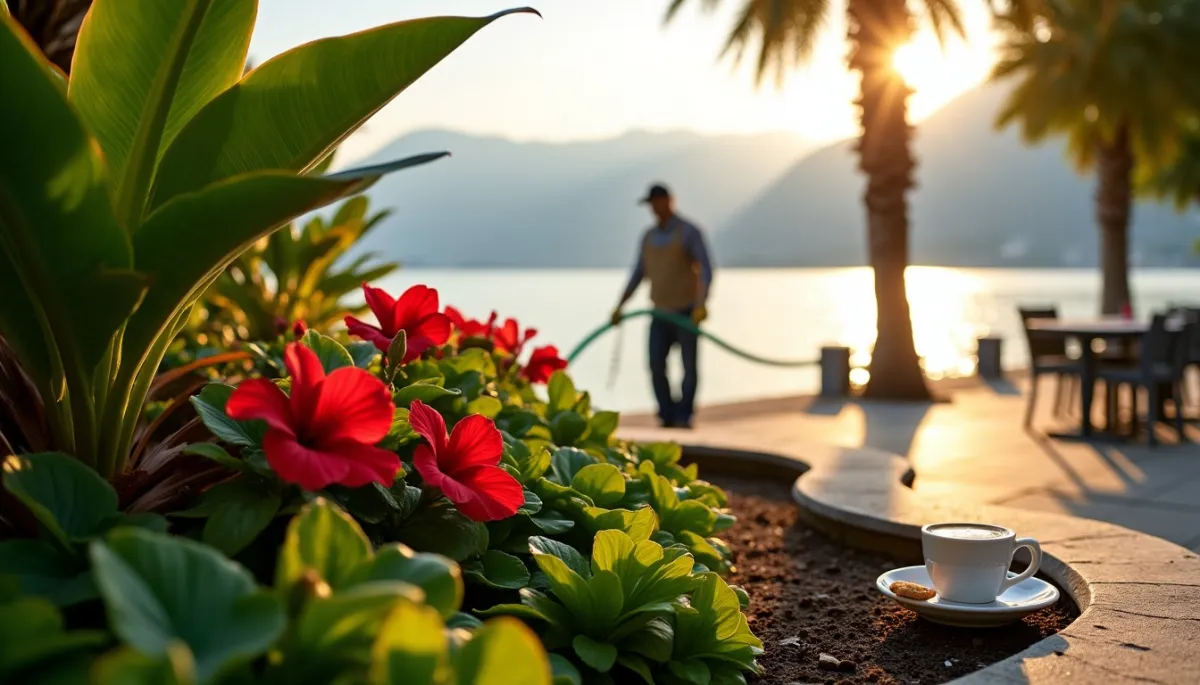
Walk along Quai Claude-Nobs in Montreux or the Perdonnet lawns in Vevey and you will spot cannas, hibiscus, bird of paradise (Strelitzia), Trachycarpus palms and solemn agaves. These plants come from around the Mediterranean, Asia and the Americas, chosen for a mix of bold shapes and surprising hardiness.
Some species, like Trachycarpus fortunei, tolerate brief frosts and have become staples. Others are grown in containers or sheltered beds so they can be protected or moved indoors during cold snaps. Gardeners also introduce seasonal chrysanthemums and begonias to maintain color from spring to late autumn.
Hidden techniques: soil, microclimates and watering
What looks effortless is the result of soil science. Municipal teams create bespoke mixes with grit, pumice and organic matter to ensure fast drainage and a warm root zone. Raised beds and heated pebble layers act as thermal buffers, storing daytime heat and releasing it at night.
I visited a municipal greenhouse where gardeners inoculate potting mixes with mycorrhizae to improve root uptake. Drip irrigation with moisture sensors reduces water stress while targeted fertigation gives plants the energy they need for large leaves and continuous blooms without encouraging weak growth.
Seasonal choreography: pruning, replacements and events
There is a calendar behind every quay. In late winter the teams prune and inspect palm crowns, in spring they replace tender specimens with hardy surprises and in autumn they begin frost preparations. Protective wraps, straw mulch and temporary windbreaks are applied to sensitive plants.
Events shape planting choices. For example, the Montreux Jazz Festival draws international visitors, so displays are timed to peak in July. That means summer bedding is planted early and irrigation is fine-tuned to support peak flowering during high season.
Community, history and the role of the lake
The exotic feel of the quays owes much to history. From the Belle Époque onwards, hoteliers and expatriates demanded showy promenades, inspired by Mediterranean resorts and English horticultural fashion. Local authorities embraced the idea, planting palms and ornamental citrus to attract tourists.
Lake Geneva moderates temperature swings, creating a microclimate that allows subtropical choices. The water reflects heat, reducing night-time chilling on immediate quays, which is why you will often find the most exotic specimens closest to the shore, with hardier varieties placed further inland.
Sustainable practices and future challenges
Today gardeners face climate change and new pest pressures. Integrated pest management, reduced pesticide use and selection of resilient cultivars are standard. Rain gardens and permeable pavements help manage runoff and protect the lake while supporting plant diversity.
Municipal teams are experimenting with native-subtropical hybrids that need less protection. The aim is to keep the spectacle while lowering maintenance costs and environmental impact, so the quays remain beautiful and liveable for decades.
Thanks for reading, and don't forget, Enjoy Life Moments!