Belle Époque : how tourism turned fishing villages into global gems
🚀 Key Takeaways
- Key concept : The Belle Époque catalyzed a shift from subsistence fishing to leisure economies on many coasts.
- Practical tip : Visit early in the morning to see traces of original fishing life before the crowds arrive.
- Did you know : Railways and steamships made short seaside getaways popular among Europe’s city elites.
The late 19th and early 20th centuries brought more than fashion and art. They ushered in mass mobility that changed shorelines across Europe. Small fishing communities found themselves on new routes of curiosity and consumption.
Towns that once lived by the tides were suddenly adapting to visitors who wanted sun, sea and a curated version of local life. That tension between tradition and tourism is the invisible thread of the Belle Époque story.
From nets to promenades
Before the wave of visitors arrived many coastal settlements were inward looking and organized around the rhythm of fishing seasons. Houses faced the sea, families worked the boats, and markets supplied nearby towns. The arrival of railways and faster ships exposed these places to city dwellers seeking fresh air.
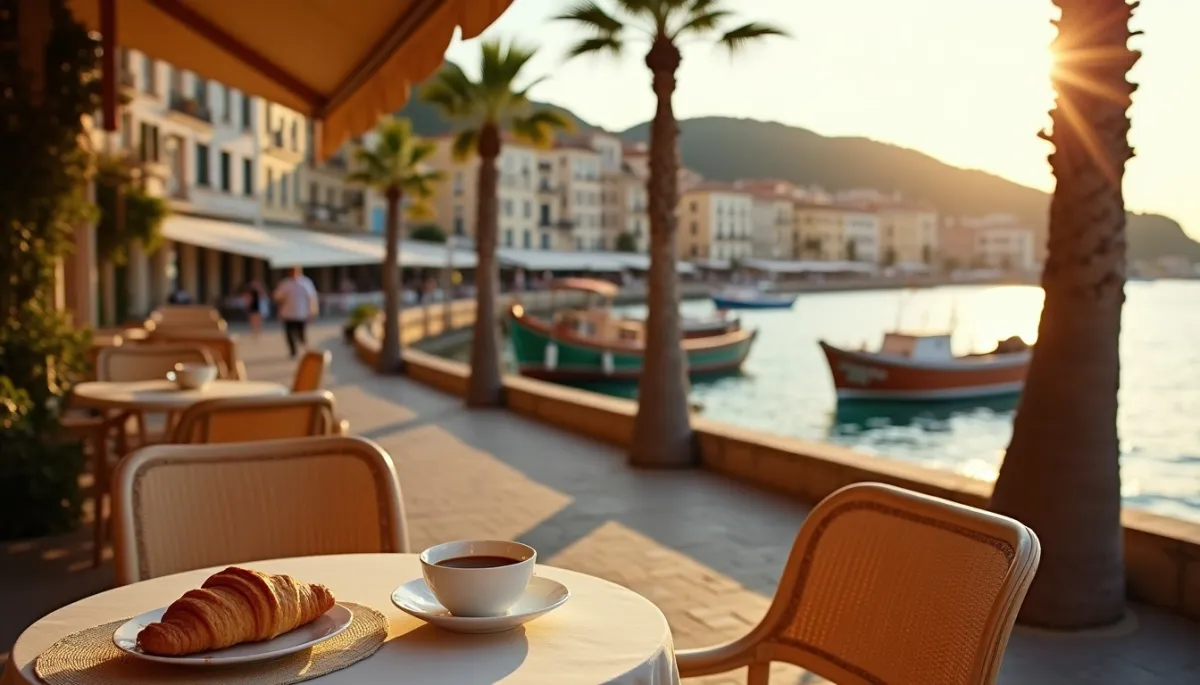
Local elites and investors saw opportunity. Harbors were reimagined, quays expanded and palm-lined promenades were laid out to offer picturesque strolls. The waterfront, once a place of work, became a stage for display and leisure.
Architecture and the aura of luxury
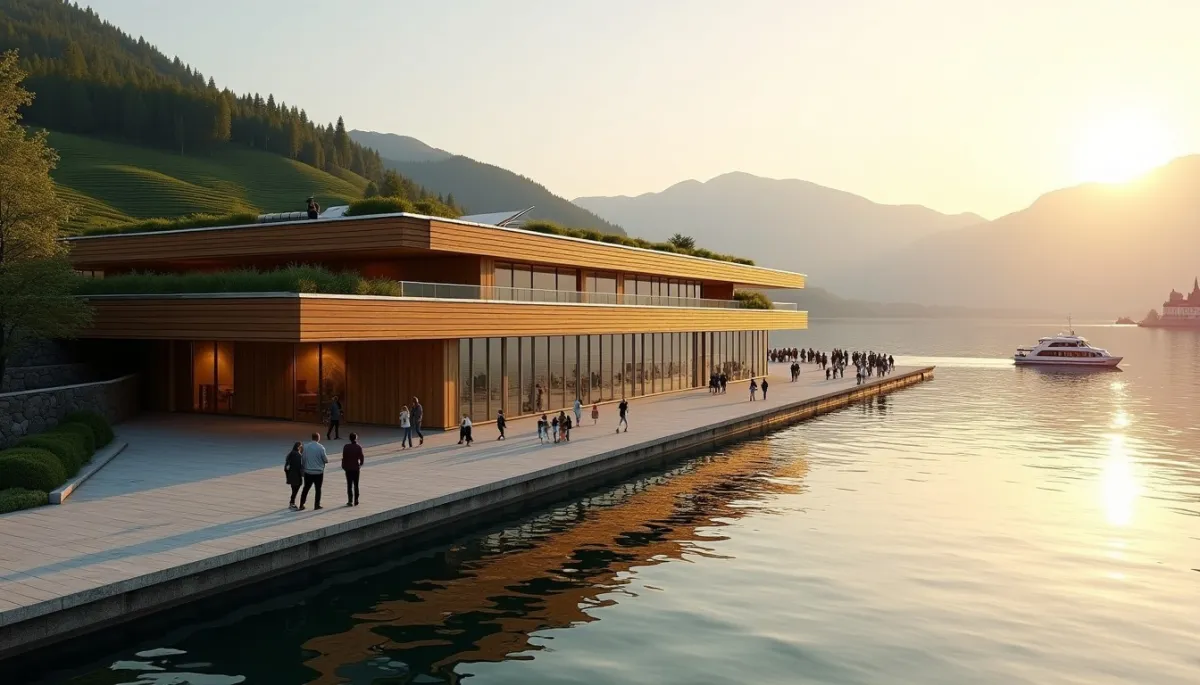
Architects and hoteliers embraced an aesthetic now associated with the Belle Époque. Grand hotels with verandas, ornate villas and casino facades rose where simple warehouses had stood. These buildings communicated a new identity: seaside elegance open to paying guests.
Yet the transformation was not only cosmetic. Urban planning introduced gardens, piers and promenades that structured tourist flows. This infrastructure made formerly remote beaches accessible and desirable for seasonal living.
Social change and economic shifts
Tourism altered local economies. Fishing remained important but was often supplemented by services: lodging, restaurants, craft shops and transport. Women and younger generations found new jobs in hospitality, shifting household dynamics and opportunities.
At the same time there were tensions. Land values rose and seasonal demand created boom and bust cycles. Some communities adapted creatively, blending fishing traditions with staged experiences for visitors to preserve a sense of authenticity.
Preservation and the modern visitor
Today many former fishing villages are celebrated heritage sites. Museums, guided walks and festivals highlight maritime traditions, while retaining the Belle Époque architecture that draws travellers. Responsible tourism now focuses on balancing conservation with visitor experience.
If you visit, look beyond the postcard. Talk to older locals, visit the quay at dawn, and sample simple seafood in family-run restaurants. Those small rituals reveal how history continues to shape daily life.
Thanks for reading, and don't forget, Enjoy Life Moments!