The steamship saga: CGN's Belle Époque fleet, a floating museum
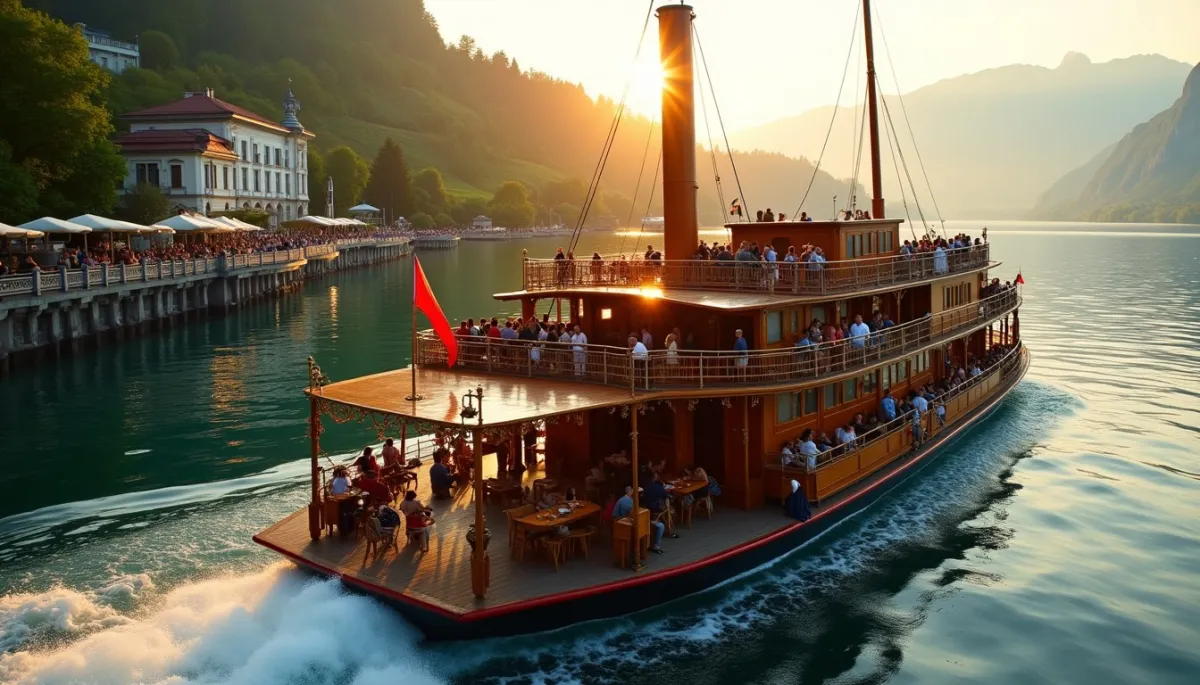
The scene begins at dawn on Quai du Mont-Blanc in Geneva. A soft mist lifts off Lac Léman, gulls wheel above, and the copper bow of a paddle steamer catches the first light. Passengers in modern clothes queue beside wooden benches and brass fittings that seem to belong to another century. The smell of warm wood, engine oil and coffee blends into an atmosphere at once domestic and ceremonial. You step aboard, and the lake offers a passage not only across water, but through history.
The Belle Époque fleet of the CGN functions as a museum afloat. These vessels are not static exhibits in a dry hall. They sail, host concerts, weddings and themed cruises, and they bring visitors to landmarks such as Château de Chillon, the terraced vineyards of Lavaux, and the lakeside promenades of Vevey and Montreux. Their presence shapes the tourist experience around Lac Léman, creating living links between past and present.
Vapeur et mémoire
Many passengers describe a specific moment of recognition: the creak of wooden stairs, the taste of a cabin coffee served on a brass tray, the sight of paddle wheels turning slow and proud. These small rituals are the consequence of decades of continuous operation, and they produce an emotional bond that no static museum can replicate.
Real anecdotes multiply. Locals still tell of wartime crossings when steamers carried refugees and parcels; of artists sketching from the deck during the early 20th century; of families who have booked the same cabin for generations. Contemporary events reinforce the fleet's role, from classical concerts on board to themed gastronomic voyages that pair Savoyard cuisine and lake views.
Operational heritage also means daily realities: stewards polishing brass, engineers checking centuries-old engines, volunteers guiding school groups. Each cruise is a tiny performance, where tourism, education and craft preservation converge. The visible consequence is a growing audience that seeks authenticity and tactile experiences, rather than mere sightseeing.
Pourquoi préserver
At the root of the conservation effort lies a recognition of cultural and technical value. The Belle Époque steamers embody shipbuilding techniques, decorative arts and social rituals of a period that shaped the lakeside resorts of the 19th and early 20th centuries. Preserving them protects more than metal and wood; it safeguards a way of life and the knowledge of skilled trades.
Preservation is also economic and environmental. Heritage tourism brings visitors to towns like Lausanne, Vevey and Montreux, supporting hotels, restaurants and local producers. The CGN's decision to maintain and operate these ships reflects a strategy that links cultural authenticity and sustainable mobility, by offering low-carbon group journeys compared with many car trips around the lake.
Finally, the educational dimension is crucial. Onboard exhibitions, guided visits at ports, and collaboration with schools turn each crossing into a lesson in history, engineering and conservation. If you hear a conservator explain what “restauration patrimoniale” means, they will point to the balance between replacing parts for safety and keeping original material for authenticity. The term 'museum ship' therefore needs nuance: this is a living, functioning artifact, not a frozen object.
Tensions et avenir
However, conservation is not without tensions. Maintaining seaworthy hulls, original décor and century-old machinery is costly. Modern safety regulations demand upgrades that can conflict with the intent to preserve historical fabric. Operators, regulators and heritage specialists must negotiate where to draw the line between authenticity and contemporary requirements.
Another challenge is relevance. Younger audiences may value experiences but not immediately grasp the technical heritage. CGN and partner institutions respond with themed programming, interactive displays and digital storytelling that bring context without trivializing the object. These initiatives show why heritage must speak in today's languages.
Looking forward, initiatives include carefully planned restorations, timed cruises for special heritage festivals, and collaborations with local artisans to revive traditional woodwork and metalwork. Practical tips for the visitor: book early for sunset cruises, choose port cities like Ouchy (Lausanne) or Vevey for easy boarding, and ask for a guided deck tour to hear the engine room's story. Also check CGN's maintenance calendar, because some steamers undergo lengthy refits during low season.
These ships remain a moving classroom, a celebration of craftsmanship and a reminder that heritage can be experienced kinetically. Above all, they teach that history is best understood when we can touch it, hear it and travel on it.
Thanks for reading, and don't forget, Enjoy Life Moments!