The silence of the lake: how slow living became the art of life on the Swiss Riviera
🚀 Key Takeaways
- Core concept : Slow living on the Riviera means prioritizing presence over pace, connecting to landscape and local rhythms.
- Practical tip : Rise for an early stroll through the Lavaux terraces, then take a midday boat to feel the lake's hush.
- Did you know : The Lavaux vineyards are UNESCO-listed and have shaped local life for centuries.
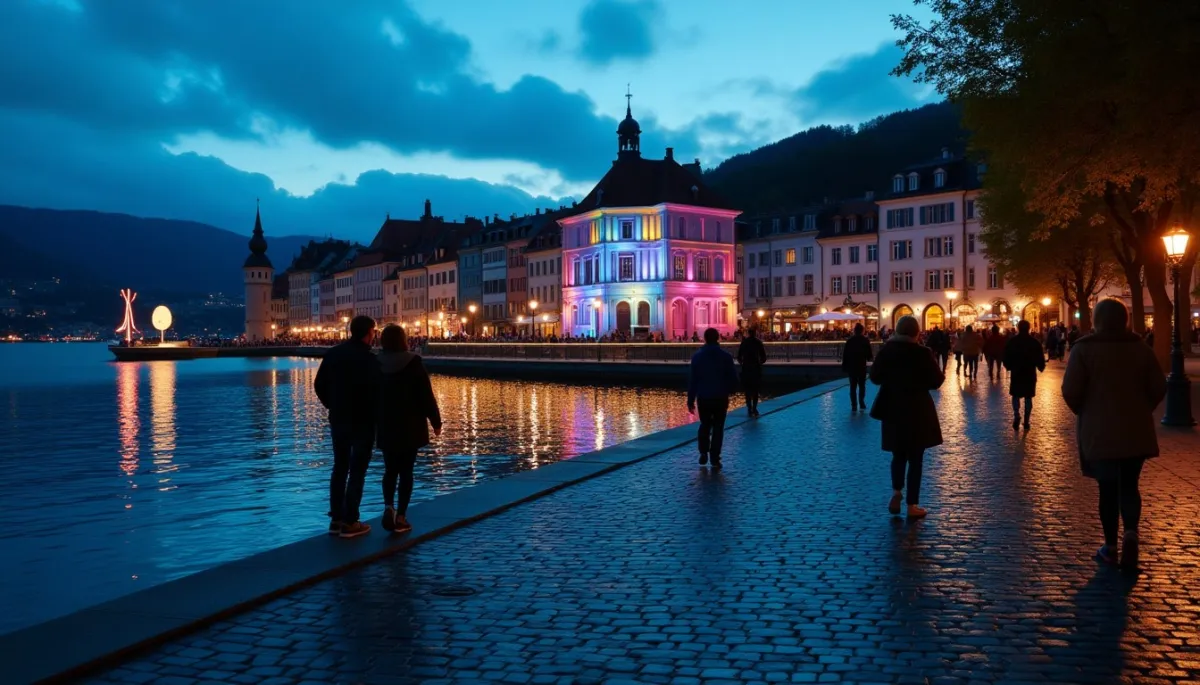
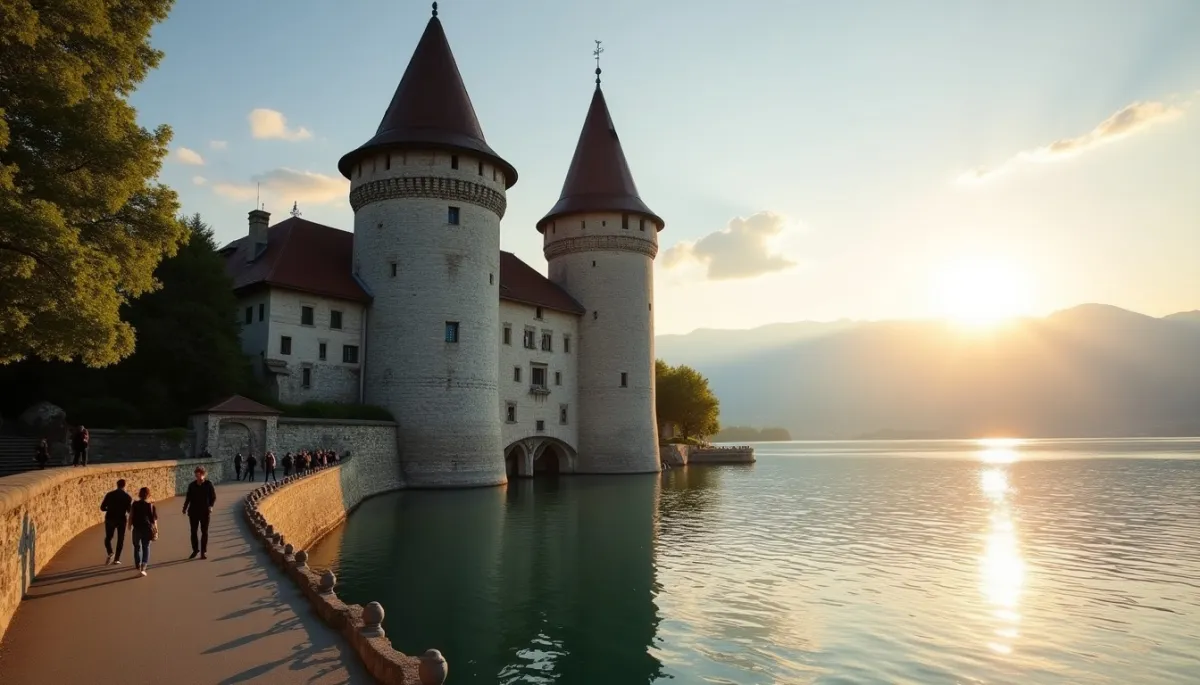
The Swiss Riviera stretches along the northern shore of Lake Geneva, from Vevey to Villeneuve and beyond, where vineyards cling to steep terraces and Belle Époque promenades invite lingering. Over the past decade the region has become a reference point for slow living, not because it copied a lifestyle label, but because its geography and traditions encourage deceleration.
This article explores how slow living took root here, what it looks like in daily life and where to experience it authentically. Expect concrete addresses, historical context and small rituals that a traveler can adopt right away.
How slow living found its home on the Riviera
The idea of slowing down is old here. The Lavaux terraces, cultivated since the Middle Ages, shaped an economy and an everyday rhythm tied to the seasons. Viticulture, fishing and small-scale commerce encouraged attention to craft and calendar, not constant expansion. Even Montreux's lakeside villas and Vevey's promenades reflect a culture that values time spent outdoors, in view of the water.
More recently, tourism matured. Grand hotels and the Montreux Jazz Festival brought attention, but also a desire among locals and visitors to balance events with quieter rituals: markets, vineyard walks, boat crossings at sunset. Slow living on the Riviera evolved as an answer to an accelerating world, combining Swiss discipline with Mediterranean ease.
Everyday rituals: markets, vineyards and the lake
Begin your day at a local market. Vevey and Montreux host weekly produce markets where vendors offer Chasselas grapes, seasonal vegetables and cheeses like Vacherin. Buying from a small stall, chatting with a producer and choosing fresh ingredients transforms a meal into a deliberate act, a cornerstone of slow living.
Afternoons are for walking the Lavaux terraces, a UNESCO site. Follow the wine trail between rows of vines, stop at a family-run cave to taste a Chasselas, and sit on a stone wall to look at the lake. The effort to walk, to observe vine rows and view corridors, grounds you in the place and its history.
Moments to savor: food, boats and public baths
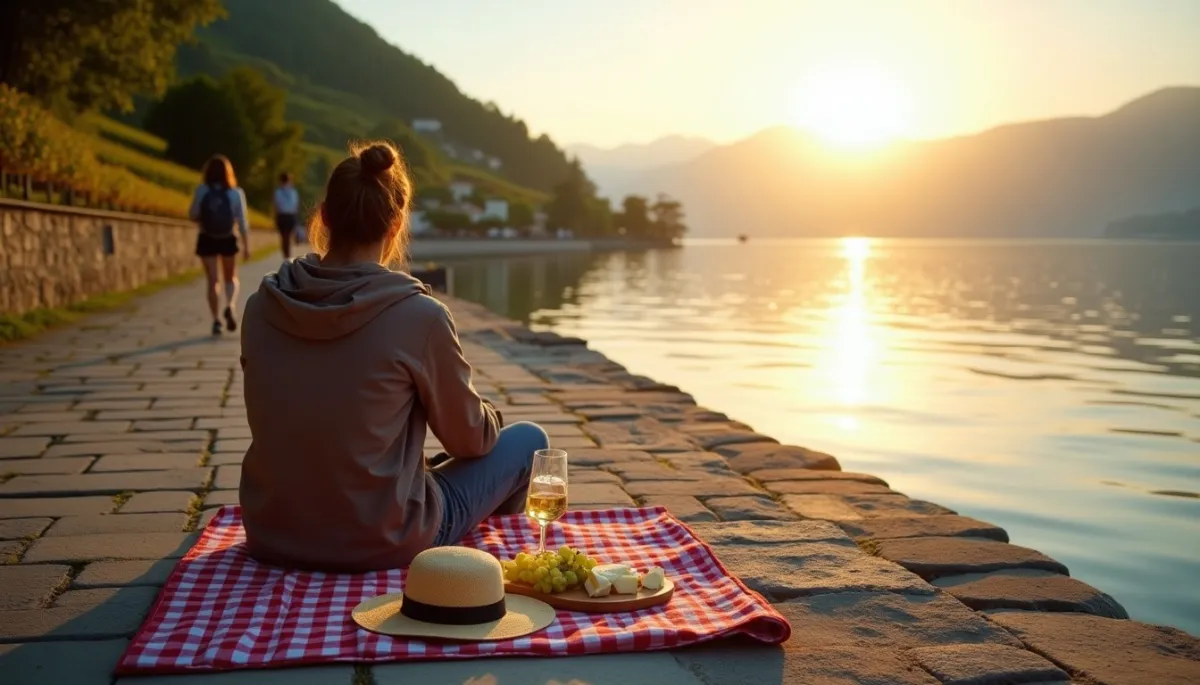
Food rituals matter. Order filets de perche at a lakeside restaurant, share a simple cheese board with local bread, or pick up a tray of seasonal fruit from a market stall. Meals are often unhurried, accompanied by lake views and conversation, not screens.
Take a boat between towns rather than rushing by car. The hourly CGN boats linking Lausanne, Vevey, Montreux and Villeneuve provide a slow, scenic commute where the rhythm of water replaces the rush of highways. For restorative time, visit a public bath or spa such as Lavey or one of the smaller wellness centers tucked into the hills.
Where to stay and how to plan a slow Riviera visit
Choose accommodations that encourage lingering: small guesthouses in Vevey, vineyard chambres d'hote in Lavaux or a lakeside apartment in Clarens. Prioritize a base and day-trip from there rather than changing hotels every night. A single base amplifies the sense of place and reduces travel friction.
Plan midweek visits to avoid festival crowds. If you go during the Montreux Jazz Festival or peak summer, wake early to enjoy empty promenades and late afternoons to retreat to quieter coves. Use public transport and bicycles where possible; local trains and boat services are efficient and add to the slow experience.
Why slow living matters for visitors and residents
Slow living is not just leisure, it is a form of cultural conservation. By choosing local food, walking vineyard paths and supporting small producers, visitors contribute to sustaining the Riviera's landscapes and traditions. The region's identity depends on people who care for terraces, harbors and markets.
For residents, slow living is a resilience strategy. It protects mental space, preserves seasonal know-how and keeps the tourism economy diversified. For travelers, adopting a slower rhythm reveals details you would otherwise miss: a fisher mending nets at dawn, the exact translucence of a Chasselas grape, the smell of wet stone after rain.
Thanks for reading, and don't forget, Enjoy Life Moments!