Habanero pepper: would you dare taste the pride of Yucatán?
🚀 Key Takeaways
- Key concept : Habanero (100,000-350,000 SHU) defines Yucatán cuisine with intense heat and floral aroma.
- Practical tip : Start with one seed or a drop of salsa, cool with dairy, and use gloves when handling.
- Did you know : Local markets like Mérida's Lucas de Gálvez are hubs where growers sell fresh habaneros every morning.
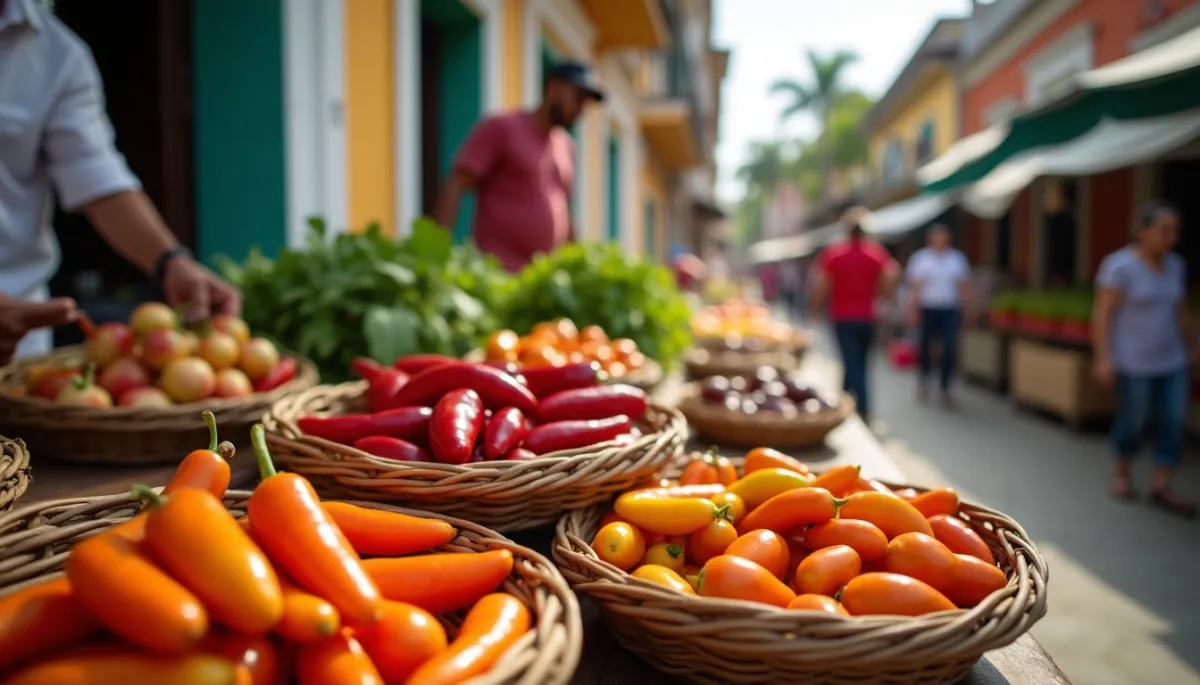
Try one bite, and the world changes. Picture a street stall at dawn in Mérida, baskets of glossy orange and red habaneros piled next to sacks of masa and cilantro, a vendor laughing as a tourist hesitates with a tasting spoon.
feu et saveur
The habanero is famous for its heat. On the Scoville scale it ranges roughly from 100,000 to 350,000 Scoville Heat Units (SHU), which places it far above a jalapeño. Yet its profile is not only capsaicin; alongside the burn, there is a sharp, fruity, sometimes floral aroma that chefs prize.
In Yucatán, the chile habanero is integrated into everyday food. Salsas, recados (marinades), fish preparations and the ubiquitous habanero hot sauce accompany dishes such as cochinita pibil, panuchos and fresh ceviche. Its presence is both culinary and symbolic.
Tourism has amplified its fame. Food tours in Mérida and Valladolid often include a stop for an habanero tasting. Local festivals celebrate the pepper, and small producers market artisan hot sauces to visitors seeking an authentic souvenir.
racines et raisons
The story of habanero in the Yucatán is a mix of geography and culture. Chili peppers are native to the Americas, cultivated for millennia by indigenous peoples. In the peninsula, the habanero adapted to the local soil and climate and became central to Mayan and mestizo cuisines.
Economic reason explains the pepper's importance. Smallholder farmers can grow habanero on narrow plots, and the fruit's high market value when sold fresh or as sauce supports rural households. Since the 20th century, as regional identity strengthened, the habanero was promoted as a culinary emblem of the Yucatán.
Culinary curiosity also fuels its popularity. Chefs and food influencers worldwide seek distinctive ingredients. The habanero's capacity to transform a dish—adding heat, aroma and color—has made it a sought-after ingredient in both traditional and modern gastronomy.
saveur et précautions
Boldness has limits. The same traits that make habanero attractive also create barriers. Its intensity can overwhelm unprepared palates, and mishandling may cause skin irritation or eye pain. That is why local vendors always advise cautious tasting.
Practical advice: remove seeds and inner ribs to reduce heat, taste a tiny amount first, and keep milk or yogurt at hand to soothe the burn. Capsaicin is fat-soluble, so dairy works better than water. Wear gloves when chopping many peppers, and avoid touching your face.
There are contradictions in the pepper's story. While it amplifies regional identity and supports small producers, the global demand for extreme heat variants encourages selective breeding. This can threaten local seed diversity. Initiatives in Yucatán, including cooperative seed-saving projects and gastronomic events, aim to preserve traditional varieties and knowledge.
For travelers, tasting an habanero in Yucatán is a sensory lesson. Choose a market stall in the early morning, ask the vendor for a small taste on a tortilla or with a slice of orange, and listen to the stories behind each variety. The experience is spicy, yes, but also revealing of a territory that celebrates its flavors loudly.
Thanks for reading, and don't forget, Enjoy Life Moments!