Isla Holbox: the art of barefoot living on Mexico's last bohemian isle
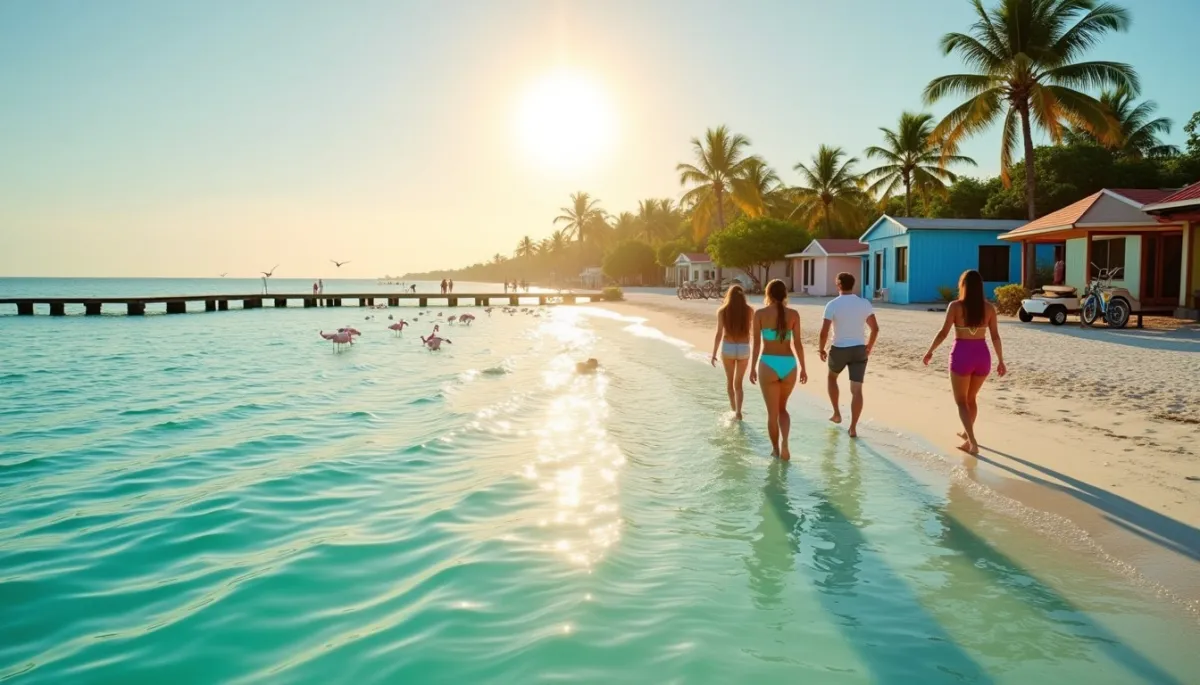
Imagine stepping off a wooden ferry into a dusty dock, the air scented of salty mangroves and fried fish. Golf carts and bicycles glide past pastel wooden houses, a dog naps in the shade, and at the horizon pelicans carve their silent arcs. Locals still greet each other by name and the pace encourages you to slow down. That first barefoot stride into Holbox town sets the tone: here, the horizon and the present moment are your companions.
Straightaway, the consequence is visible. The island's car-free policy and limited infrastructure have produced a tourism model where encounters matter more than schedules. Small guesthouses, family-run restaurants serving ceviche and pescado frito, and local guides dominate the offer. The beach is both stage and living room. Visitors come for long walks on pale sand, for bioluminescent nights when the sea lights up, and to swim alongside whale sharks between May and September. These are concrete experiences that shape Holbox's identity.
sable et rencontres
Walks along Punta Cocos and Punta Mosquito are emblematic. At low tide, sandbars appear and the sea becomes a shallow mirror dotted with flamingos and shorebirds. Few places in Mexico allow such easy, close encounters with birdlife. Photographers who arrive at dawn will tell you about the pastel palette of the sky and the way light falls on mangrove roots.
The whale shark season is another tangible consequence. Every year operators run regulated tours from Holbox to swim with these gentle giants. Locals recount the first seasons when fishermen would report whale sharks by radio. Today these sightings feed a tourism economy, but also a shared sense of stewardship. Tour guides are required to respect distance rules and limit swimmers per group, though enforcement can vary.
Night brings a different spectacle. On dark, moonless nights bioluminescence makes the shallow water glow. Kayak trips or quiet swims feel like moving through stars. Stories circulate about couples who come solely for this luminous magic, and about photographers who learned to shoot by the light of the sea. These anecdotes are not marketing lines. They are reasons people travel long hours to step barefoot onto Holbox's shores.
racines et raisons
Why does Holbox remain bohemian? Geography and history explain much. The island sits within the Yum Balam biosphere reserve, a protected mosaic of mangroves, lagoons and coral. Its relative remoteness kept large-scale resort developers at bay for many years. Fishing, not hotels, built local livelihoods. The result is a cultural fabric woven from Mayan heritage, maritime knowledge and Mexican coastal cuisine.
Local initiatives also matter. Community-based tourism projects, small cooperatives of boatmen, and conservation programs for sea turtles and whale sharks have reinforced a model that values people and ecosystems. Visitors increasingly expect low-impact experiences. That demand, combined with local pride, pushes entrepreneurs toward sustainable choices, like using solar panels, limiting plastic, and promoting biodegradable sunscreens that protect both skin and reef.
Economic reasons are practical. Many Holbox businesses are family-owned and scale slowly. A guesthouse grows room by room, a restaurant adapts menu items according to seasonal fish. That organic growth fosters authenticity. Travelers who seek craft cocktails and boutique spas will find a few options, but those who come for barefoot simplicity and convivial tables find the island's heartbeat.
paradoxes à venir
However, contradictions appear. Holbox's fame has grown on social media, and popularity brings pressure. Streets once empty at noon sometimes bustle. The ferry from Chiquilá can be crowded during holidays. Increased demand risks altering the very qualities that made the island attractive: quiet, intimacy and ecological sensitivity.
Regulation is a partial answer. The Yum Balam reserve and local authorities have experimented with visitor limits, whale shark codes, and waste management plans. But enforcement requires funding and local buy-in. Tensions arise when short-term revenue from more visitors collides with long-term conservation goals. The coming years will test whether Holbox can scale without losing its soul.
Practical tips and discreet advice. Arrive early to catch a calm sea, bring cash because many kiosks prefer pesos, choose biodegradable sunscreen and a reusable water bottle, and respect wildlife distances. Book whale shark tours through certified operators, and consider visiting outside peak holiday weeks to enjoy the barefoot lifestyle in full. Above all, let pace and curiosity guide you.
Thanks for reading, and don't forget, Enjoy Life Moments!