Discover the Riviera Maya beyond the cliches

In 2026 the Riviera Maya still draws crowds, but the smartest travelers are seeking nuance: lesser-known towns, community-led projects, seasonally aware itineraries and culinary micro-scenes. This guide strips away clichés to reveal how to experience the region respectfully and memorably.
Below you'll find actionable ideas for where to go, what to taste, who to meet, and how to travel with a lighter footprint — plus practical tips to avoid the usual traps.
Hidden cenotes and underground rivers
Cenotes are emblematic of the Yucatan, yet most visitors see only the most famous, heavily photographed ones. Venture inland toward towns like Cenote Xunaan-Ha or Hacienda San Pedro to encounter quieter sinkholes where light, limestone formations and silence make for intimate moments.
Many smaller cenotes are managed by community cooperatives that invest visitor fees into conservation and local services. Ask before you dive and opt for guides who explain geology and cultural significance — you’ll learn more and contribute directly to preservation.
Living Mayan culture beyond the tourist village
The Riviera Maya is still home to active Mayan communities where traditional knowledge — from milpa agriculture to medicinal plants — is practiced daily. Look for community tourism initiatives that offer homestays, workshops, or cooperative-run tours rather than staged demonstrations.
Respectful engagement means arriving with curiosity and humility: learn a few words of Maya, purchase crafts directly from artisans, and prefer experiences that transparently share revenue with local partners. These exchanges support cultural continuity rather than commodification.
Wildlife and biosphere exploration: Sian Ka'an and beyond
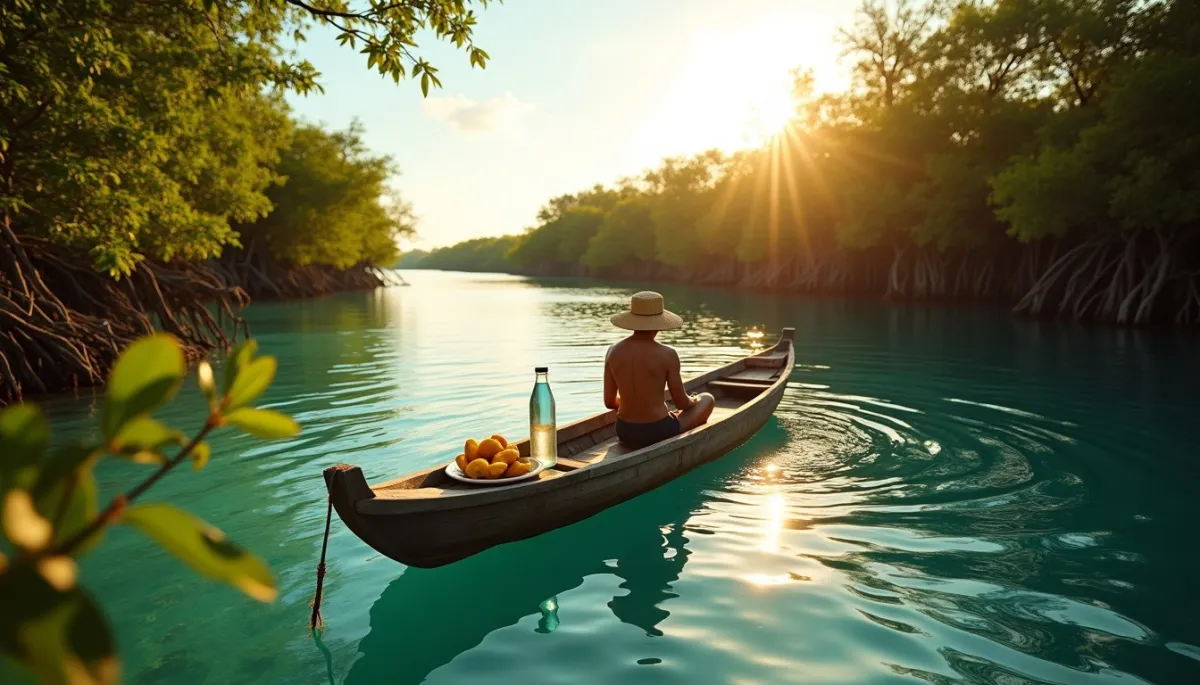
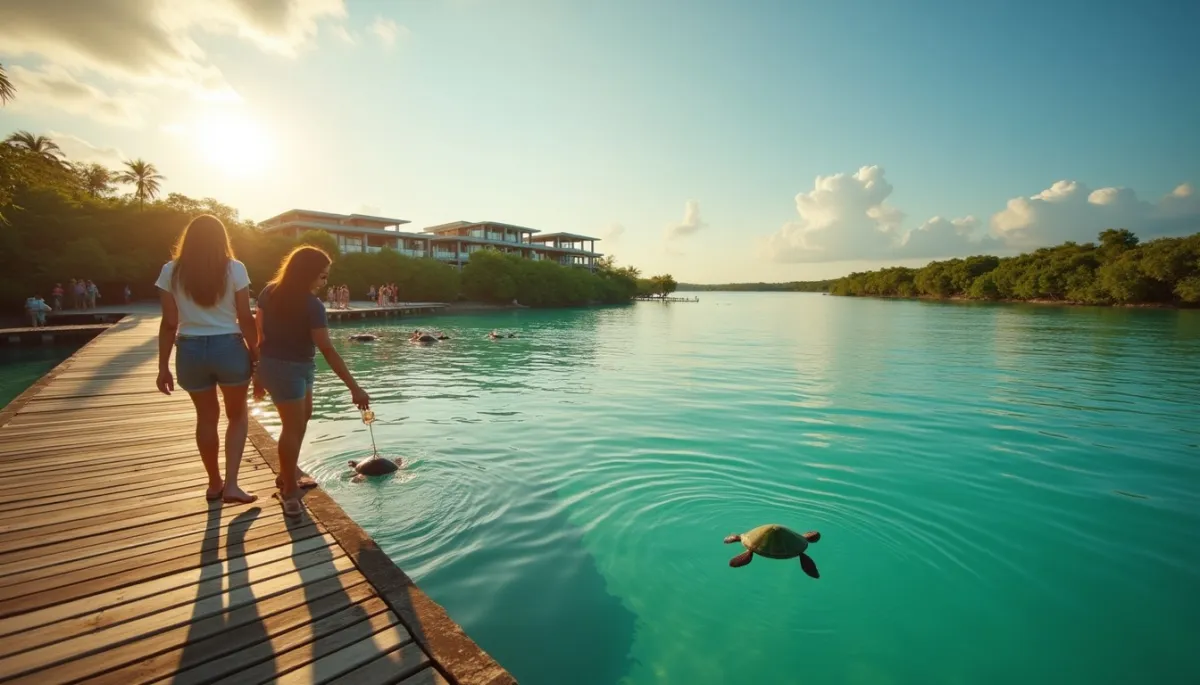
Sian Ka'an Biosphere Reserve remains a highlight for those seeking unspoiled nature on the coast: mangroves, crocodile habitat, snorkeling channels and migratory birds. Book licensed, low-capacity trips that prioritize quiet observation and avoid sensitive breeding areas.
For birdwatchers and divers, consider less-visited marine sites and coastal lagoons north and south of the main tourist strip. Responsible tour operators will follow established codes and brief you on how to minimize disturbance to fragile habitats.
Food and drink: micro-scenes replacing mass tourist menus
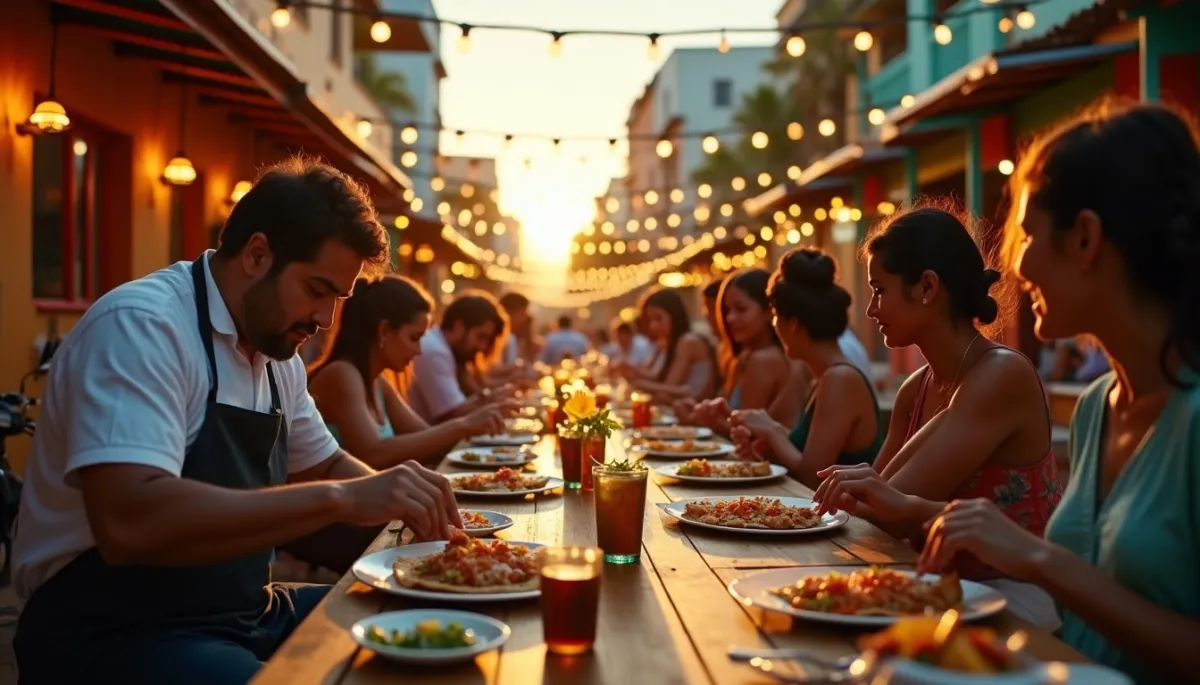
Beyond resort buffets you'll find new culinary layers: local seafood cooperatives supplying paladares, innovative chefs combining Maya ingredients with modern techniques, and seasonal street markets showcasing regional produce and seafood. Seek out seaside fishermen's palapas and family-run eateries for fresher, more authentic plates.
Food tours and cooking classes run by local cooks are a great way to learn about ingredients like achiote, chaya and native peppers. These experiences are often small, community-centered and give direct income to households — a tangible way to support the region's food heritage.
Active travel: biking, kitesurfing and quiet beaches
Active travelers can escape the crowds by cycling coastal backroads, kiteboarding the breezier bays near Puerto Morelos and Akumal, or hiking through mangrove trails. Early mornings and late afternoons reveal the Riviera Maya's best light and most peaceful beaches.
Choose small operators that limit group sizes, provide eco-friendly gear and adhere to local regulations. Renting a bike or e-bike from a local business is an easy way to explore small villages and find tucked-away cenotes or seaside hamlets.
Practical tips for traveling well in 2026
Plan ahead: seasonal closures, permit requirements in protected areas and community-based schedules can affect access. Use trusted sources to verify conditions and book certified guides. National Geographic remains a reliable resource for conservation and travel context: National Geographic Mexico.
For user reviews, route planning and up-to-date traveller info consult official listings like TripAdvisor, but read recent comments critically and favor experiences that highlight sustainability and community benefit: TripAdvisor Mexico.
Avoiding clichés and travel fatigue
Some places remain popular for good reasons, but you can avoid the clichés by timing visits outside peak hours, combining a famous stop with a lesser-known neighbor, or committing to a theme (food, birds, archaeology, cenotes) that guides deeper exploration.
Slow down: allocate extra days in fewer bases (for example, Puerto Morelos or Bacalar instead of hopping daily between Tulum and Playa del Carmen). This reduces travel time, helps local economies beyond hotspots and offers richer encounters.
Thanks for reading, and don't forget, Enjoy Life Moments!