Cozumel: is the coral reef in danger?
🚀 Key Takeaways
- Key concept : The reef is under stress from warming, disease, and human impact, yet pockets remain resilient.
- Practical tip : Dive or snorkel with certified, reef-friendly operators and prefer early morning outings to avoid crowds.
- Did you know : Cozumel is part of the larger Mesoamerican Barrier Reef System, a vital marine corridor for the Caribbean.
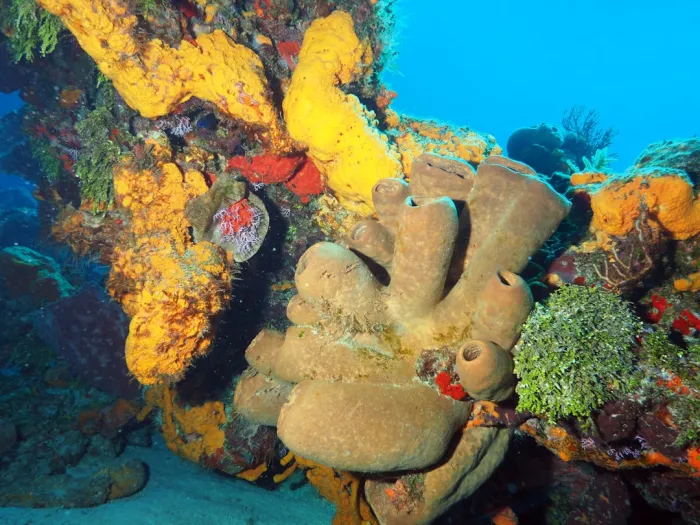
Cozumel's reef has long been a jewel of the Mexican Caribbean, drawing divers and scientists alike. Its walls and gardens host vibrant corals, sponges and fish that support both biodiversity and a local economy built on tourism.
Questions about the reef's health are not new, but by 2026 concerns have intensified. Rising sea temperatures, regional coral diseases and the pressures of mass tourism have converged, prompting urgent conversations among managers, tour operators and visitors.
What are the main threats to the reef?
Sea surface warming and marine heatwaves increase the frequency of coral bleaching, a stress response that can lead to mass mortality when conditions persist. While corals can recover from mild bleaching, repeated events weaken reef resilience over time.
Beyond temperature, human activities amplify stress. Anchor damage, accidental contact from inexperienced snorkelers or divers, and local pollution degrade coral structures. Seasonal influxes of sargassum can also alter water quality and light levels for nearshore reefs.
Signs of decline and pockets of resilience
On many dives you may notice fewer branching corals and more algal cover where reefs have been stressed. Diseases affecting stony corals have been reported across the Caribbean and can cause rapid tissue loss, making monitoring essential.
That said, not all is lost. Some sites around Cozumel show encouraging signs of recovery and natural resilience. Cooler upwellings and protected zones help refuges persist, offering hope and seed stock for restoration work.
Conservation efforts and management
The Cozumel Reefs National Marine Park and national authorities work to regulate activities and enforce protection measures. Conservation now mixes traditional approaches with active interventions like coral nurseries, reef monitoring and community engagement.
Local dive operators, researchers and community groups often collaborate on restoration and education programs. These efforts aim to reduce direct damage, monitor disease outbreaks and replant coral fragments where feasible.
How travelers can make a positive difference
Choose operators that follow best practices: responsible anchoring, limited group sizes, clear briefings on not touching marine life and removing gloves or gear that can snag corals. Look for certifications and ask about their conservation involvement.
Simple personal choices also matter. Use reef-safe sunscreen, avoid standing on reefs, never take souvenirs, and consider contributing to local conservation fees or projects. Travel habits that reduce pollution and support the local economy help protect the reef in the long run.
Thanks for reading, and don't forget, Enjoy Life Moments!