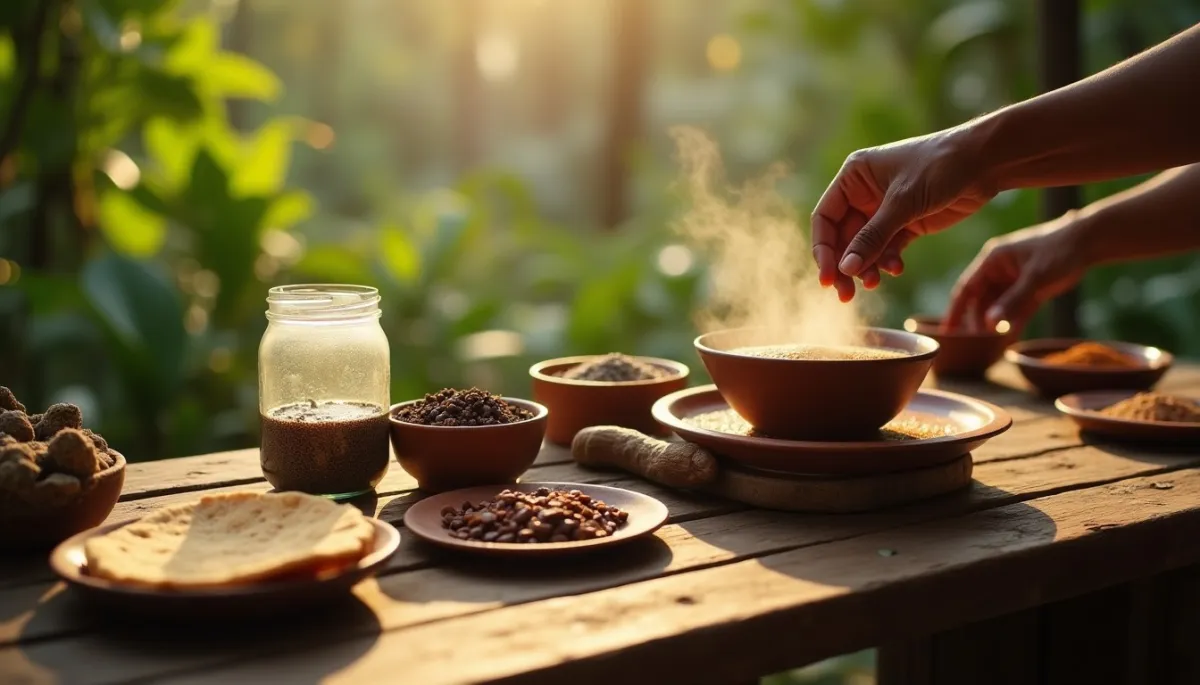
Sacred cacao: history and ancestral uses
🚀 Key Takeaways
- Key concept : Sacred cacao was central to Mesoamerican rituals, social exchange and cosmology.
- Practical tip : Join a morning or late-afternoon cacao ceremony in the Riviera Maya, and ask for locally sourced, stone-ground cacao for the truest experience.
- Did you know : Cacao served as currency and as an offering to gods in ancient times.
Cacao has a long, layered history in Mesoamerica, where seeds, drinks and rituals were woven into everyday life. The plant was honored, prepared with intention, and used in rites that marked births, alliances, harvests and passage into the afterlife.
Today the Riviera Maya is a place where that heritage is both preserved and reinvented, with local communities and modern facilitators offering ceremonies that aim to reconnect participants with ancestral practices. Approach these experiences with curiosity and respect, and you will feel the cultural depth behind each cup.
Origin and sacred role
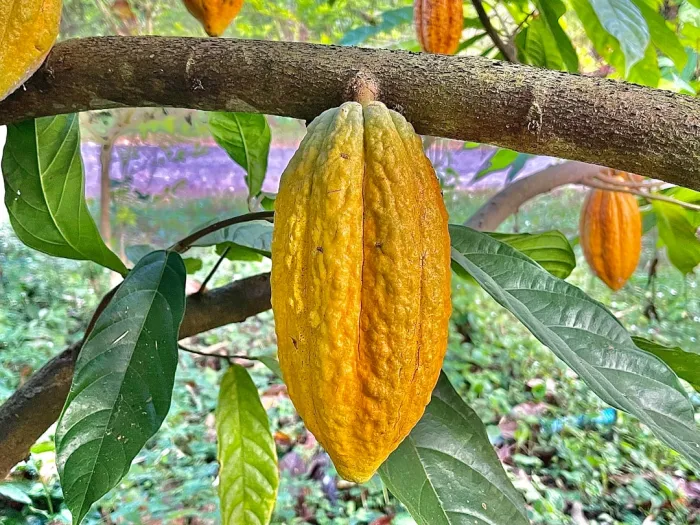
Cacao originates in the tropical forests of Central and South America and became central to Mesoamerican civilizations such as the Maya and the Aztec. Archaeological evidence shows cacao use going back millennia, in both daily consumption and sacred offerings.
For context and deeper reading, see the history summarized on Wikipedia, which details how seeds and beverages featured in myths, trade and ritual life. That lineage is what many contemporary ceremonies aim to honor.
Ancestral uses and ceremonies
In ancestral contexts cacao was rarely a simple treat. It was a medium of exchange, an offering to deities, and a central element in sacred drinks like xocolatl. Priests and community leaders used cacao during rites of passage and diplomatic meetings, where the beverage carried social and spiritual weight.
Ceremonial preparation emphasized intention. Ingredients, grind, and the way the cup was shared mattered. Many modern facilitators in the Riviera Maya recreate those gestures, combining historical recipes with guided intention, breath work, and music to foster presence and connection.
Cacao as medicine and daily practice
Beyond ritual, cacao played roles in traditional medicine. It was used to improve digestion, boost mood and as part of topical remedies. Theobromine and other compounds in cacao produce gentle stimulation and can deepen emotional access when used with care.
Contemporary wellness culture borrows these ideas, but the important distinction is origin: ancestral uses were embedded in social and spiritual frameworks, not isolated as mere wellness products. Respecting that context helps avoid trivializing a living tradition.
How to experience sacred cacao in the Riviera Maya
If you want a meaningful ceremony, seek hosts who work with local cacao growers and explain the cultural context. Small community-led ceremonies often prioritize authenticity over spectacle, and they will welcome questions about lineage and sourcing.
For practical options and visitor feedback on cacao experiences in the region, check community listings and reviews on TripAdvisor. Read reviews, ask about the cacao origin, and respect any guidance about participation and offerings.
Thanks for reading, and don't forget, Enjoy Life Moments!