Dinner in a retro train: haute cuisine on the MOB rails
🚀 Key Takeaways
- Core concept : A seated, multi-course dinner served aboard historic and panoramic MOB trains, blending regional produce and theatrical travel.
- Practical tip : Book months in advance, request a window seat, and mention dietary needs when reserving.
- Did you know : The GoldenPass route links Montreux, famous for its jazz festival since 1967, to the alpine villages around Gstaad, offering dramatic scenery during a 2.5 to 3.5 hour dinner journey.
Close your eyes and hear the wheels whisper on the rails.
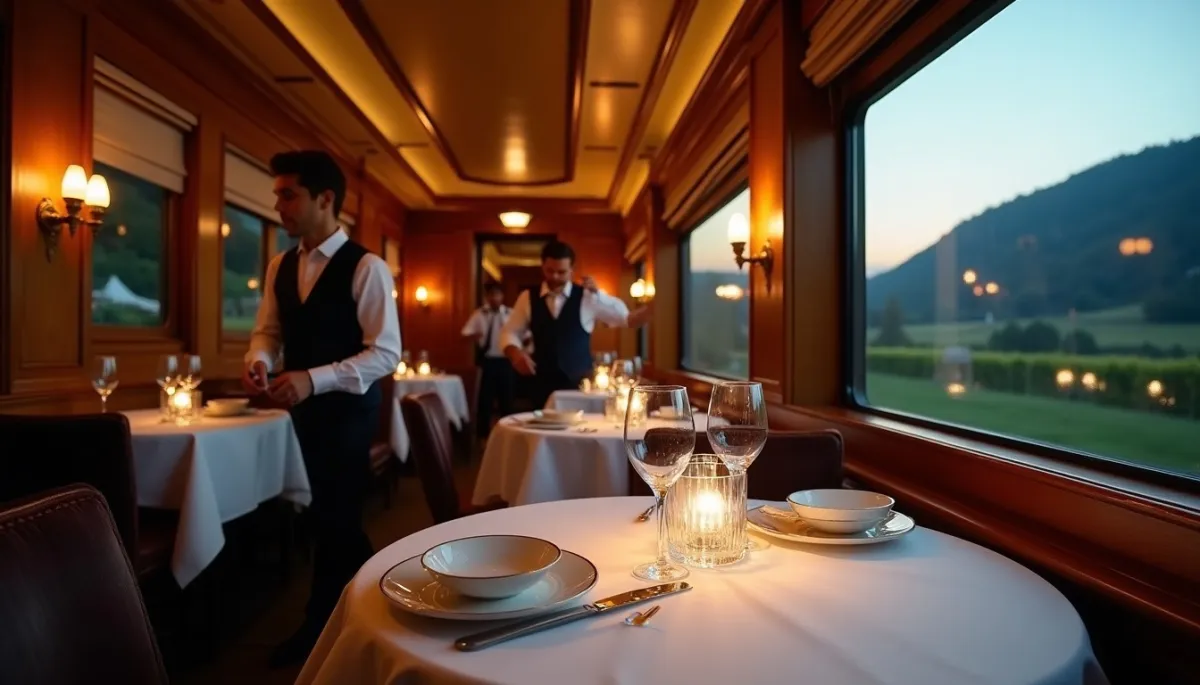
Lights dim, the lake shimmers outside, and waiters in dark vests glide between polished wooden tables. Crystal and porcelain catch reflections of village lights, while a menu announces chestnut, freshwater fish, Alpine cheese. You are not in a static dining room, you are traveling through postcard landscapes, passing viaducts and vineyards, as a chef times each plated course to the rhythm of the train.
Gastronomic rails
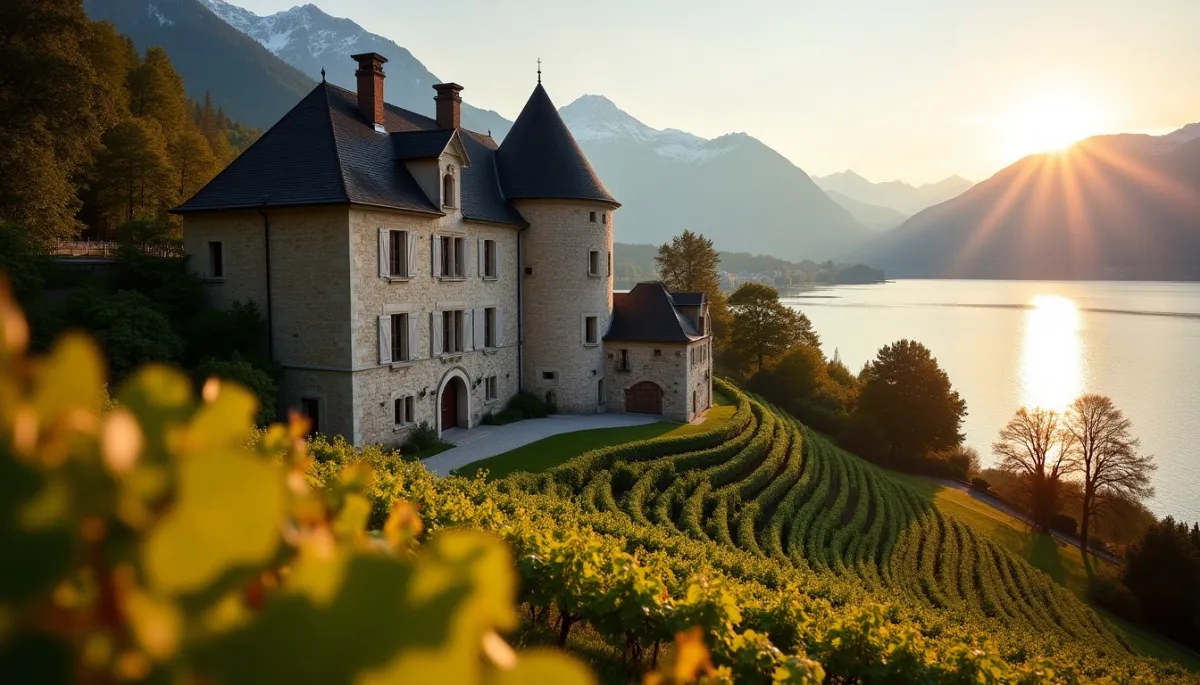
In recent years, rail dining has evolved from novelty to sought-after experience. The Montreux–Oberland Bernois Railway, commonly known as MOB, is best known for the GoldenPass line. This route connects Montreux on Lake Geneva to Zweisimmen and on toward Gstaad, winding through Château-d'Oex, Rougemont and other emblematic alpine villages. MOB operates both vintage 'Belle Époque' carriages and modern panoramic coaches, and it programs occasional dinner services that pair local produce with the romance of historic rail travel.
The format varies. Some journeys use original wooden saloons, evoking the interwar era, with menus that highlight regional terroir, like Vaud trout, Valais herbs, Gruyère and locally cured charcuterie. Other experiences take place in panoramic cars, offering wide windows and a contemporary table mise en place. Typical duration for dinner trains ranges from about 2.5 to 3.5 hours, enough for a multi-course meal without rush, while the train stands or moves at a relaxed pace through illuminated valleys.
Guests include Swiss gourmets, international visitors drawn by the Riviera's reputation, and locals celebrating anniversaries. The phenomenon fits a broader trend: experiential tourism. Travelers today seek not only taste but narrative, a story to tell. Dining on a moving train supplies that story, combining place, motion and local cuisine.
Pourquoi ça marche
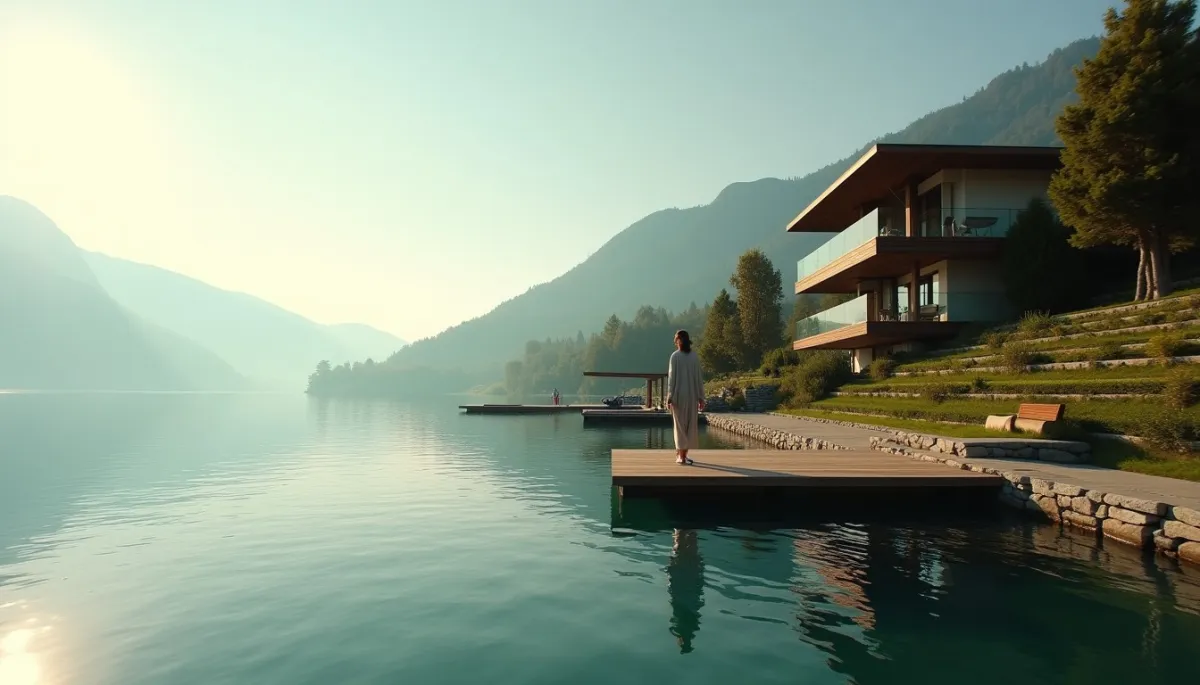
Several factors explain the success of dinner trains on the Riviera. First, geography helps: the contrast between Lake Geneva's mild, vineyard-dotted shores and the nearby pre-Alps creates landscape theater. As the train climbs, light and temperature change, and chefs can reflect that progression through the menu. Second, the Riviera suisse already enjoys a strong tourist brand. Montreux, for example, is internationally recognized thanks to the Montreux Jazz Festival, inaugurated in 1967, and the lakeside promenades of Vevey and Montreux attract culture-seeking visitors year-round.
Third, Swiss rail culture favors punctuality and comfort, which reassures guests booking a timed multi-course service. MOB's reputation for maintenance of its vintage stock adds authenticity. When a Belle Époque carriage is used, its original woodwork and brass fittings create a cinematic stage, a physical connection to early 20th century travel. That authenticity is an asset in an era where 'retro' signals quality and craftsmanship rather than mere nostalgia.
Finally, local gastronomy has matured in recent decades. The Vaud and Valais cantons count numerous starred chefs and producers, while farmers' markets in Lausanne and Montreux supply seasonal ingredients. Restaurateurs and chefs collaborate with MOB to design menus that emphasize provenance, sustainability and Alpine flavors, meeting modern diners' expectations without losing regional identity.
Between nostalgia and future
There are tensions to manage. Vintage carriages are beautiful, but they require care and adaptation. Accessibility, climate control and kitchen logistics on a moving platform pose real constraints. MOB and its partners must balance historical preservation with modern comfort. In some services, small kitchens are installed in dedicated cars, and plated dishes are finished on board, while more complex preparations are done beforehand.
Sustainability is another challenge and opportunity. Rail is often promoted as a low-carbon travel mode, and gastronomic trains can leverage that narrative by sourcing local products and minimizing food miles. At the same time, luxury experiences can imply waste. Successful operators now emphasize seasonal menus, composting and reduced packaging. Guests increasingly ask about provenance and carbon footprint, and tour providers adapt.
Looking ahead, expect more collaborations between MOB and local chefs, themed dinner runs during harvest or music festivals, and digital booking tools that let you choose seats and menus in advance. For travelers, practical advice is simple: reserve early, check the exact itinerary, share dietary restrictions when booking, and plan arrival time at the station. Bring a light sweater; even in summer a mountain breeze can arrive with the night.
For an unforgettable Riviera Suisse evening, combine the MOB dinner with a pre-dinner promenade along Montreux's lakeside, or an overnight in a nearby chalet hotel. Photographs will rarely capture the scent of a plate or the hush of a viaduct at night, but they will recall a night when the journey and the meal were one.
Thanks for reading, and don't forget, Enjoy Life Moments!