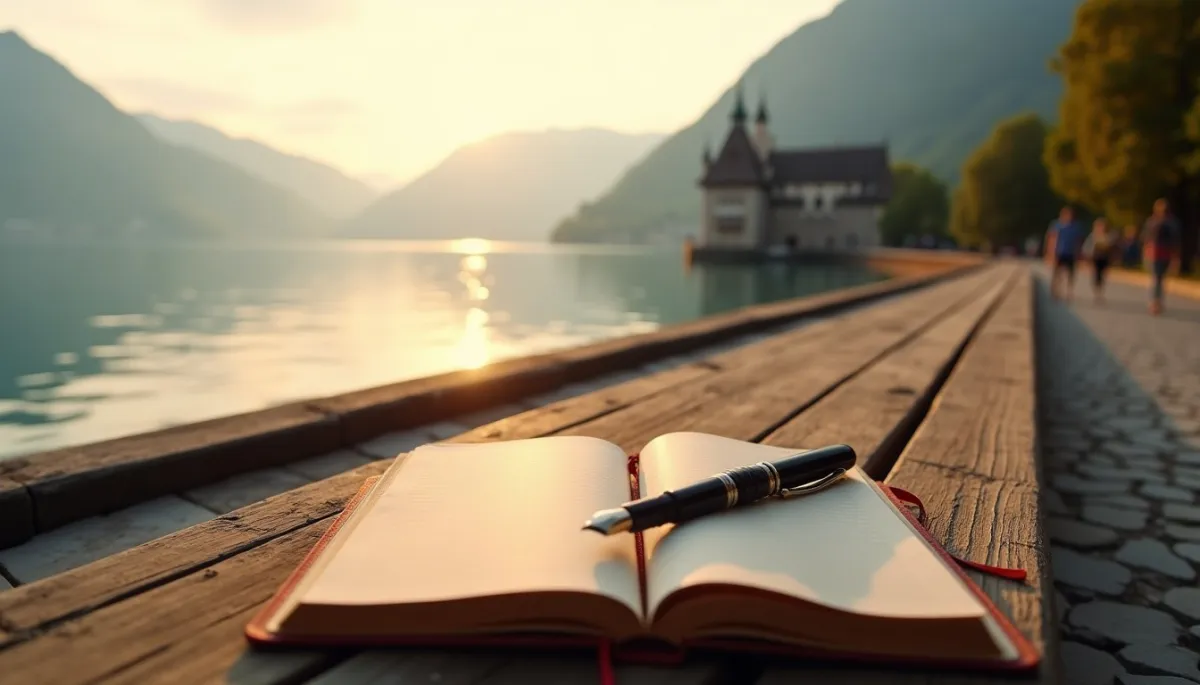
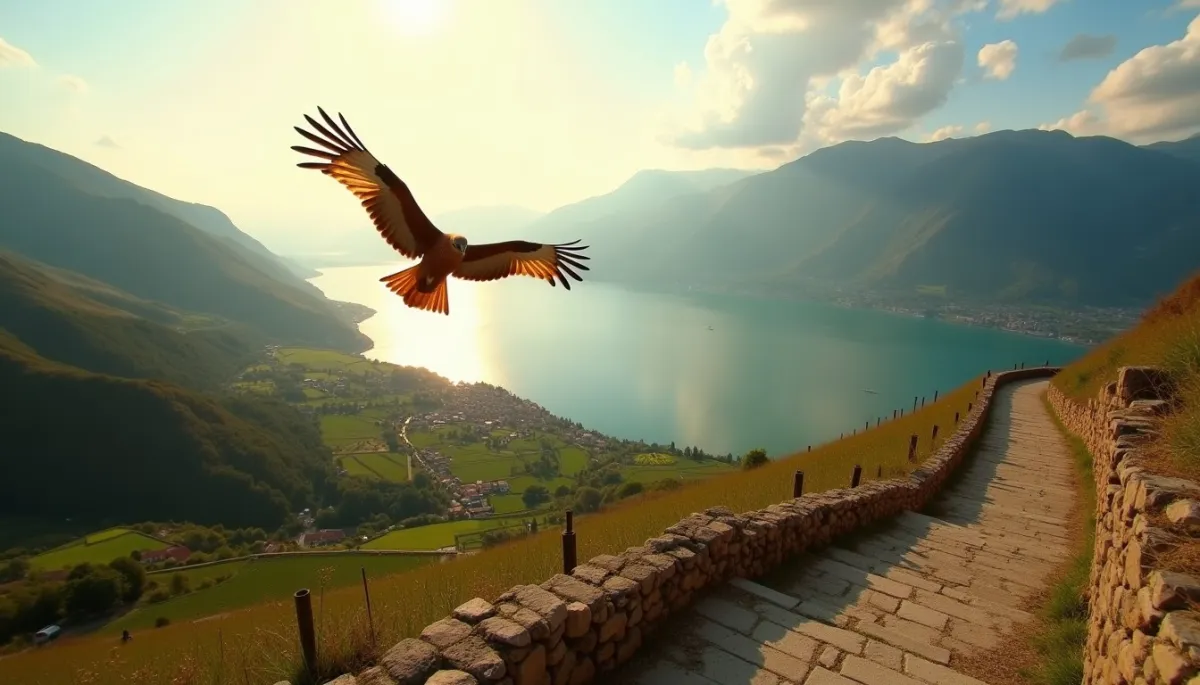
The Grand Tour of the 19th century: when English poets discovered the Swiss Riviera
🚀 Key Takeaways
- Core idea : The Grand Tour evolved into a Romantic pilgrimage, with Lake Geneva becoming central to English literary life.
- Practical tip : Walk the Lavaux terraces at dawn and visit Château de Chillon at low light to feel the same vistas that inspired Byron and Shelley.
- Did you know : The infamous summer of 1816 (the "year without a summer") brought writers together at Villa Diodati, where Frankenstein was conceived.
The click of carriage wheels and the hiss of steamer paddles belonged as much to the romance of travel as the poets themselves.
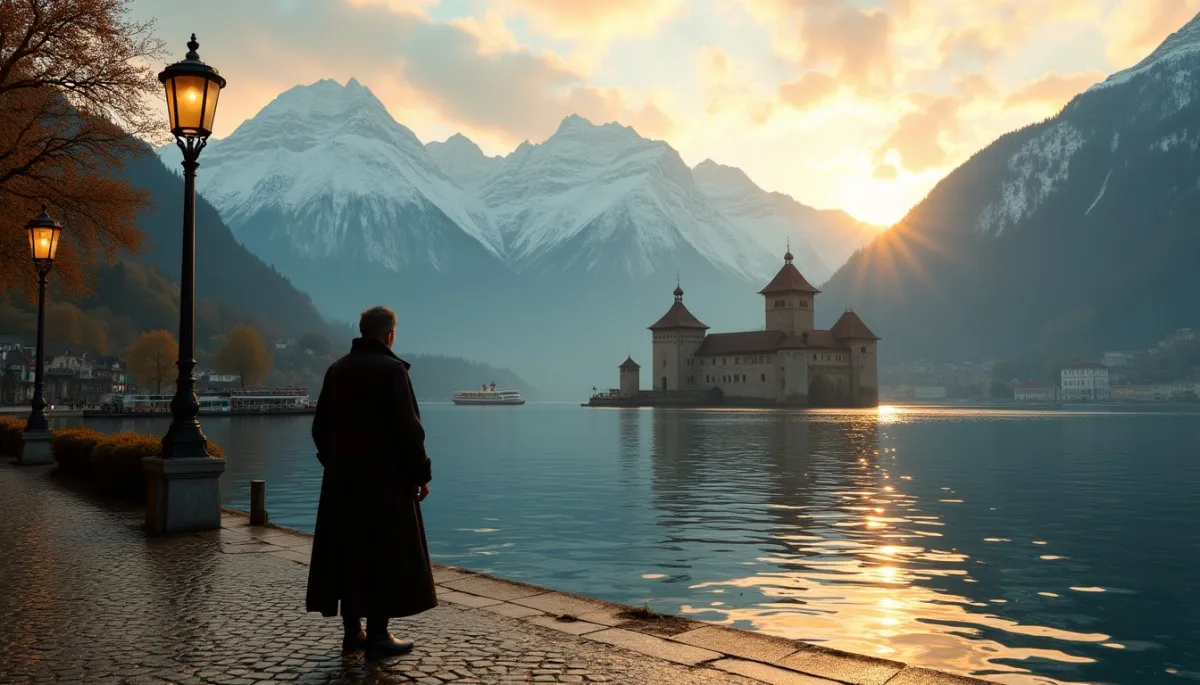
When Lord Byron paced the battlements of Château de Chillon and Percy Bysshe Shelley climbed to gaze toward Mont Blanc, they were not merely sightseeing. They were part of a larger consequence: the Swiss Riviera, from Lausanne to Montreux, became both a lab for poetic experiments and a crucible for modern tourism. Byron’s "The Prisoner of Chillon" (inspired by the medieval cell at Chillon) and Shelley’s reflections on Mont Blanc are concrete traces of how landscape fed literature and how literature returned the favor by making place legible to travelers.
Inspired shores
Château de Chillon is the most literal example. Byron visited in 1816 and immortalized the story of François Bonivard, the political prisoner, in a poem that sent readers to the lake’s edge. The castle still sits like a jewel on the water, its dungeons and crenellations readable as lines of verse.
Nearby, Villa Diodati and Geneva’s lakeside drew an English-speaking circle during the infamous 1816 cold summer. The volcanic eruption of Tambora in 1815 had cooled Europe, forcing writers indoors. It produced one of the era’s most famous literary nights, when Mary Shelley conceived Frankenstein, and John Polidori, influenced by Byron, penned "The Vampyre." Those events tied the Riviera to Gothic modernity.
Poems such as Shelley’s "Mont Blanc" are less topographical notes than attempts to translate a sublime view into language. The lake, the Alps, the vineyards of Lavaux (now UNESCO-listed) functioned as catalysts. Readers in London and Edinburgh began to picture the Riviera not as a remote Alpine outpost but as an essential stage of the Grand Tour, an intermediate destination between the culture of Italy and the raw grandeur of northern Europe.
Sublime encounters
Why did English poets come here? There are practical answers and deeper currents. Practically, improvements in transport during the mid-19th century made the lakeshore far more accessible. Steamers, improving roads, and expanding rail links turned what had been arduous passages into comfortable journeys. A trip that once demanded months could be condensed into weeks.
On a deeper level, Romanticism prized the sublime: a feeling of awe mixed with fear in front of nature’s immensity. The Riviera offered a peculiar combination — the calm, polished surface of Lake Geneva set against the jagged Alpine skyline. That contrast suited poets seeking intensity without the chaos of urban life.
There was also a social and medical logic. The Riviera’s mild microclimate attracted convalescents seeking clean air, and wealthy English families began wintering or summering along the shore. Hotels and private villas multiplied, creating salons where ideas circulated. The line between artistic pilgrimage and genteel health tourism blurred quickly.
Tensions and legacy
Yet contradictions appeared as the Riviera grew famous. The very attention that made it a literary crucible also commodified it. Grand hotels rose in Montreux and Vevey, promenades were paved, and steamer schedules governed the rhythm of the lake. The scenery that had once seemed wildly personal became a consumable backdrop.
By the late 19th and 20th centuries, the region diversified its cultural offer. Montreux would later host a jazz festival that redefined the town’s modern identity, and Vevey attracted artists like Charlie Chaplin, whose presence led to a living cultural memory. The Riviera kept reinventing itself, always shadowed by its Romantic past.
Today’s visitor can still retrace those footsteps: read Byron’s poem on the castle walls, find the shoreline where Shelley walked, pause at the terraces of Lavaux. But it is also worth noticing what has changed. Climate shifts alter the snowline on the distant peaks. Tourism infrastructure has smoothed some edges, even as protected landscapes try to preserve what remains of that 19th-century encounter.
Practical tip: aim for shoulder seasons. Early morning light and fewer crowds make the lake feel intimate again. Look for small details — a plaque commemorating a stay, an old carriage route turned walking path — and allow the landscape to do the rest.
These shores are where lines of poetry and the rhythms of travel met, sometimes beautifully, sometimes messily. The legacy of that meeting is a Riviera that reads like a palimpsest: medieval castles, Romantic verse, Belle Époque hotels, and contemporary festivals layered on one another.
Thanks for reading, and don't forget, Enjoy Life Moments!