Digital detox: the silent retreat imposed on players before major competitions
🚀 Key Takeaways
- Core concept : Professional players often undergo an enforced digital detox to protect sleep and concentration.
- Practical tip : Use airplane mode, set a phone deposit, and schedule short daily check-ins to reduce anxiety.
- Did you know : After Tokyo 2020, discussions about athlete mental health accelerated, prompting teams to formalize media and phone limits.
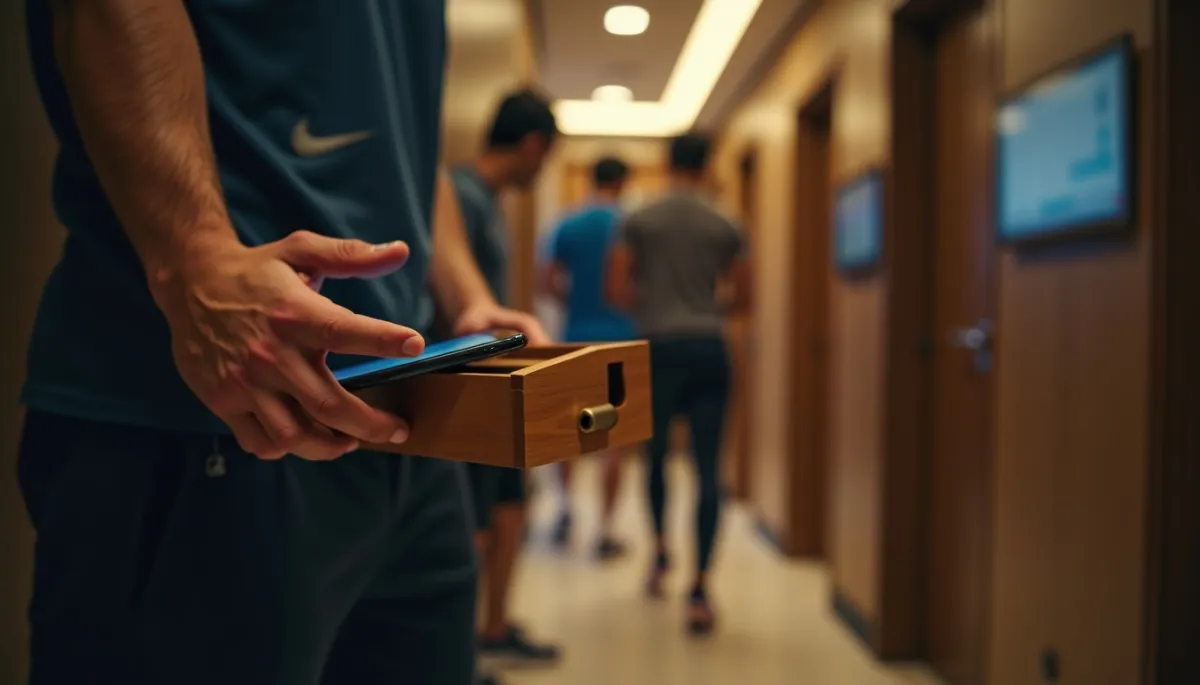
Quiet and intentional. Imagine a dim hotel corridor, a handful of athletes placing phones into a wooden box, the clack of a padlock, then silence.
Quiet preparation
Teams now treat screens like any other piece of equipment, something to be calibrated or removed. In practice, that means phone deposits, strict Wi-Fi schedules, or entire "no-phone" zones in training sites.
In esports, bootcamps commonly enforce device bans for days or weeks before a big event. Organizations such as Fnatic and Team Liquid have long routines where players surrender personal devices during intensive training, to limit distractions and foster team cohesion.
At the Olympic level, the Tokyo 2020 Games (held in 2021) exposed how mental fatigue and online pressure can affect performance. High-profile withdrawals, most notably Simone Biles citing mental health challenges, pushed national federations and coaches to take online exposure more seriously.
Inside the effects
Cutting screens impacts three domains that matter on game day: sleep, focus, and emotional regulation. Blue light from phones delays melatonin, making restorative sleep harder, and poor sleep correlates with slower decision-making, weaker reaction times, and poorer emotional control.
Research in sleep science has repeatedly shown that late-night screen use is associated with shorter, lower-quality sleep. For elite athletes, where milliseconds count, that drop in sleep quality can change outcomes.
Beyond physiology, there is cognitive spillover. Notifications and social feeds fragment attention. A study of attention and multitasking shows that switching costs can persist for minutes, which in competition translates to fewer high-quality practice repetitions and less efficient mental rehearsal.
Why teams decide this
Performance calculus is simple: if screens increase risk, remove them. Coaches and performance staff calculate marginal gains and losses. When a single error can decide a final, a phone left on the bedside table becomes a liability.
There is also a cultural element. Since the mid-2010s, the professionalization of esports and the data-driven evolution of traditional sports have introduced roles such as sleep coaches, performance psychologists, and digital managers. These specialists design pre-competition rituals that include digital boundaries.
Public pressure plays a role too. After high-profile athlete mental health conversations in 2021, sponsors and federations became more willing to fund quiet rooms, media blackout periods, and structured digital policies that protect athletes' focus and dignity.
Silent trade-offs
Removing devices is not without friction. Phones are tools for relaxation, personal contact, and practical logistics. For some players, sudden isolation can increase anxiety, especially for younger competitors accustomed to constant connectivity.
Teams mitigate that by establishing rules rather than bans. Common solutions include scheduled 15-minute check-ins, supervised social time, and a designated device custodian. These protocols balance privacy with support.
There is also a commercial tension. Sponsors want exposure and social media activity during events. Organizers and brands are experimenting with curated content windows, where athletes can post approved material at specific times, preserving both brand value and athlete wellbeing.
Practical rituals
If you want to try a mini-version of this ritual, start simple: set a 48-hour pre-event window for limited phone use, put devices in a drawer at night, and replace scrolling with short guided visualization sessions.
Use airplane mode, not silent mode, to avoid vibration alerts. Keep one physical notebook for tactics and emotions. Ask a teammate or friend to be your "phone custodian" for accountability.
Finally, communicate with family and fans in advance. A brief message explaining your blackout reduces anxiety on both sides and respects the high-stakes environment you are entering.
Thanks for reading, and don't forget, Enjoy Life Moments!