The art of French entertaining: timeless codes of elegance at the table
Entertaining in the French way means making a meal an act of care and aesthetics. From Paris to the countryside, the French table combines history, gestures and measured conviviality.
🚀 The essentials
- Key concept: Welcome as a thought experience.
- Practical advice: Light candles at dusk, linen tablecloth and napkin on the plate.
- Did you know: The 'gastronomic meal of the French' is listed as a UNESCO intangible heritage (2010).
We hear the crystal tinkling, the scent of butter and herbs wafts through the room.
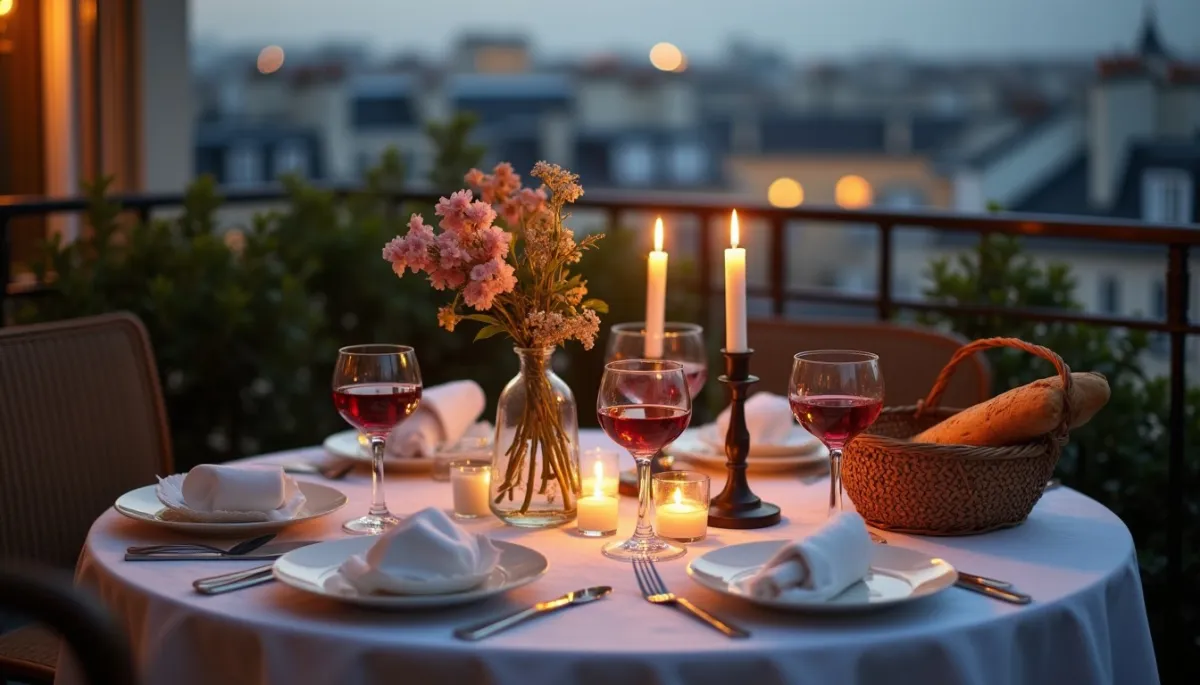
Visualize a Parisian table at dusk, the linen tablecloth slightly rumpled, candles reflected in an antique mirror, and the host refining a sprig of thyme on a plate. Guests arrive without fear of formal rigidity, but with the expectation of an attentive ritual where food, speech and timing create a convivial atmosphere.
Inherited table
The French table is above all a cultural heritage. In 2010, UNESCO listed the French gastronomic meal as an intangible heritage, reminding us that what takes place around the table is social and symbolic.
Historically we distinguish two ways of serving. The 'French service' presented several dishes simultaneously and encouraged sharing. From the 19th century, 'Russian service' became established, bringing dishes successively to better control temperatures and presentation. These two models nourish our contemporary ways of receiving.
In places like the Ritz, the Hôtel de Crillon or bourgeois houses, these codes are still visible. The staging, the sequence of dishes and the little touches (fresh water, basket of bread, cheese knife) make the difference.
Why today
Why does this art remain relevant today? Because in a busy world, hospitality becomes a luxury. Giving time becomes a precious gift, and knowing how to slow down transforms a meal into an experience.
Contemporary trends reinforce this return to codes. Chefs promote the terroir, sharing is back in force, and gastronomic tourism pushes visitors to seek the intimacy of a family meal in Provence or the table of a Parisian bistro.
Practice is also evolving. Minimalism rubs shoulders with family tableware, and sustainability comes to the table: local flowers, seasonal menus, waste reduction. Elegance reinvents itself in responsibility.
Nuances and modernity
Contradictions exist. The myth of the perfect host can be intimidating. However, entertaining in the French style is not a series of fixed rules, but the art of creating a balanced scene: beauty without ostentation, structure without stiffness.
Simple actions count. Arrange the cutlery in the order of use, place the glasses above the knives, place the napkin on the plate. Light low but sufficiently, and choose background music that invites conversation. These codes shape the atmosphere more than they confine.
Some concrete advice: think about the rhythm of the dishes, discreetly inform yourself about allergies, offer a digestive or coffee to conclude. And above all, listen. The best host knows how to read the table and adapt. This is the French secret: elegance rooted in generosity.
Thanks for reading, and remember, Enjoy life's moments!