The Dalai Lama and Desmond Tutu: a friendship built on joy amid suffering
🚀 Key Takeaways
- Core idea : Joy can be practiced even amid suffering.
- Practical tip : Share a daily moment of gratitude or laughter with a friend.
- Did you know : Both men won the Nobel Peace Prize in the 1980s; their conversations inspired the 2016 book "The Book of Joy."
They laughed, simply and abundantly.
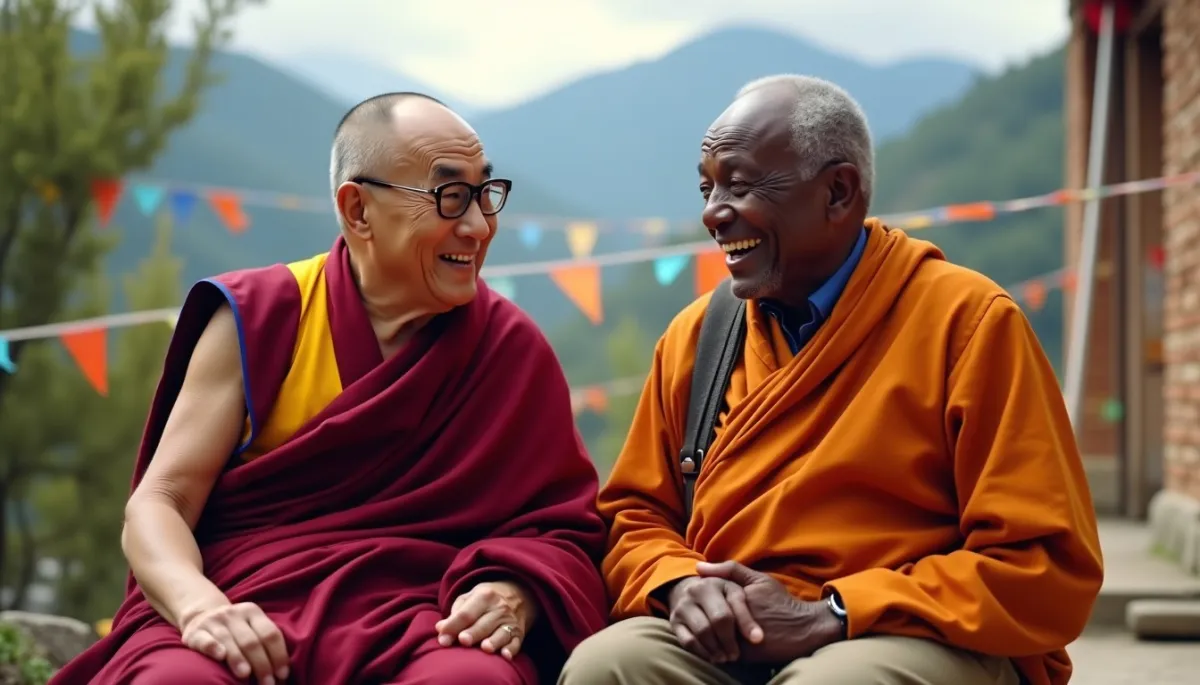
Picture a simple room in Dharamsala, sunlight on prayer flags and two elderly men, one in maroon robes, the other in a bright purple shirt, leaning toward each other and breaking into laughter so contagious the translators smile. That was a recurring image of their meetings: warmth and mischief in the face of heavy histories.
Joy as practice
Tenzin Gyatso, the 14th Dalai Lama, born in 1935, has lived in exile since 1959 and received the Nobel Peace Prize in 1989 for his nonviolent struggle for the liberation of Tibet. His teachings emphasize compassion, mindfulness and the cultivation of inner life.
Desmond Tutu, born in 1931 and winner of the Nobel Peace Prize in 1984, was the Anglican archbishop who became one of South Africa's moral leaders during and after apartheid. He chaired the Truth and Reconciliation Commission in the mid-1990s and remained a public voice for forgiveness and human dignity until his death in 2021.
Their collaborative work reached a wide audience in the 2016 book "The Book of Joy," co-written with Douglas Abrams. The book distilled a week of conversations, stories and practical exercises about finding enduring joy despite life’s suffering.
Meeting ground
Their friendship grew from mutual recognition: two moral authorities who had seen oppression up close, and who shared a conviction that pain need not consume the human spirit. They met several times over decades, culminating in the week of dialogues in Dharamsala in 2015 that formed the backbone of the book published in 2016.
During that week, they traded stories of loss and of resistance, but also of routine practices that sustained them: laughter, prayer, meditation and service. An often-recounted anecdote is how they teased each other about frailties, turning vulnerability into lightness rather than shame.
Their public events after the book’s release mixed solemn reflection and joyful banter. Audiences recalled not only wisdom but the sound of two friends laughing together, a powerful lesson that seriousness and levity can coexist.
Smile through pain
The contrast in their lives is stark. The Dalai Lama carries the story of exile and a people’s struggle; Tutu carried the wounds of apartheid and the burden of national healing. Yet both argued that attention to others, and to one’s inner life, transforms suffering into a source of connection.
They pointed to concrete practices: gratitude lists, small acts of service, breath awareness and compassion meditations. The Tibetan practice of tonglen (breathing in another’s pain, breathing out relief) was explained in accessible terms, and Tutu spoke of prayer and the simple, radical power of laughter.
Practical takeaway: begin with one small daily ritual. It can be noting three things you’re grateful for, calling a friend to share a laugh, or a two-minute breathing pause. Theirs was not abstract philosophy but embodied habits anyone can try.
Thanks for reading, and don't forget, Enjoy Life Moments!