Crystal cenotes: the 5 most spectacular caves to swim in a parallel world
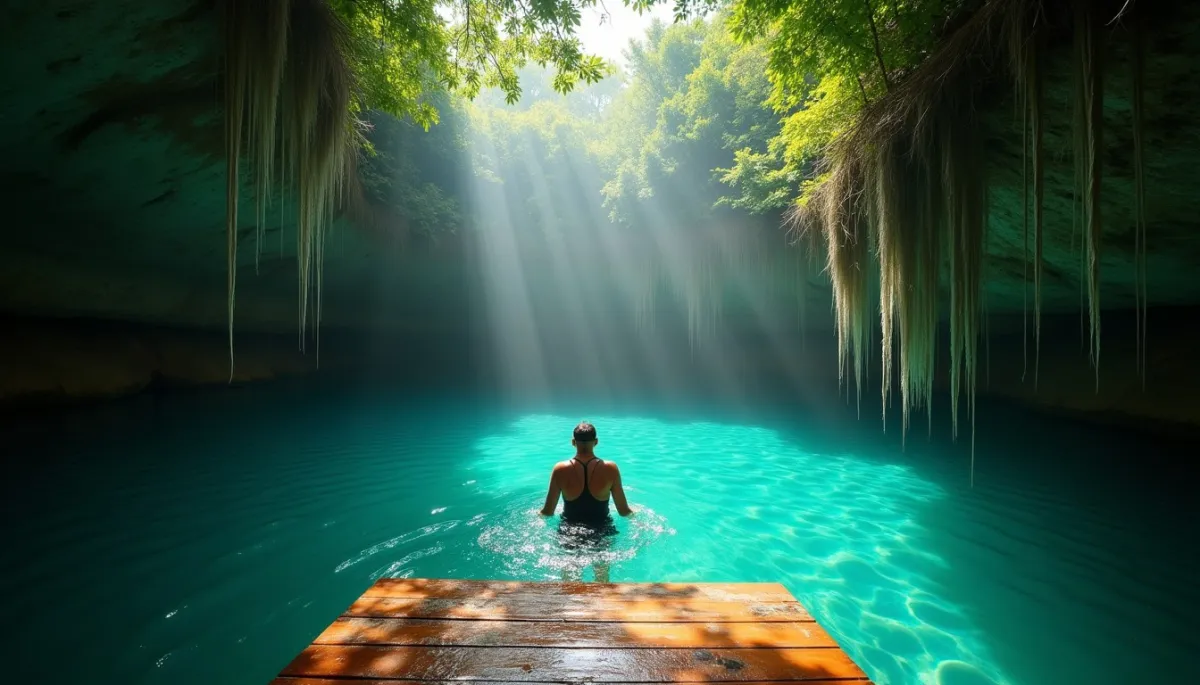
A single line of sunlight slashes a pool of water so clear you can read the rock beneath, while leaves tremble and birds call from the jungle lip. You stand on a wooden platform, mask in hand, and the air smells of wet limestone and fruit. The scene is immediate, tactile, like stepping into a photograph where time slows and every bubble tells a story.
Floating above a cavern, you enter the heart of the matter: the Riviera Maya's cenotes are not all the same. Some are wide, open basins that welcome families. Others are narrow grottos that demand a headlamp and guide. Below I take you through five of the most spectacular grottos to swim in, and explain why they matter, how they formed, and what tensions surround their future.
🚀 Key Takeaways
- Core concept : Cenotes are karst sinkholes and gateways to the Yucatán aquifer and to underwater cave networks like Sac Actun and Dos Ojos.
- Practical tip : Visit early morning, use biodegradable sunscreen, hire a certified guide for cave sections, and avoid the rainy season for best visibility.
- Did you know : Several cenotes were sacred to the Maya, used for rituals, and some contain archaeological remains.
Reflections of the five most dazzling
Gran Cenote, near Tulum, is a must for snorkelers. Its open pool, wooden decks and shallow caves make it ideal for families while still offering dramatic underwater caverns. Early morning, the light creates ribbons on the limestone, and you often share the water with turtles and small catfish.
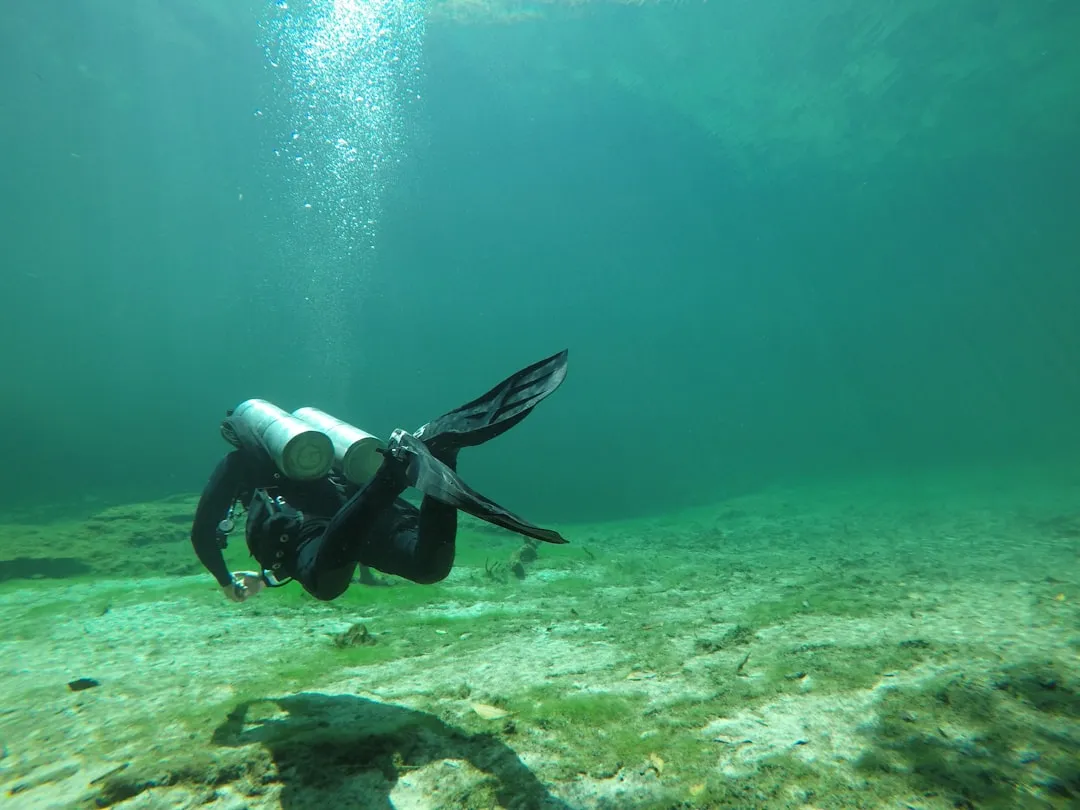
Cenote Dos Ojos is famous among divers. A network of connected caves forms tunnels that stretch for dozens of kilometers. The site became internationally known after speleological explorations revealed vast passages and stunning stalactites. For snorkelers, the shallow halves offer surreal blue pools and a visible halocline where fresh and salt water meet.
Cenote Ik Kil, near Chichén Itzá, combines spectacle and history. The circular opening drops into a deep, jungle-framed pool. It was used as a sacred site by the Maya. Today it is one of the most photographed cenotes, where beams of sunlight and hanging vegetation create a near-theatrical setting.
Cenote Suytun, north of Valladolid, has a famous circular stone platform that draws photographers at midday when a single shaft of light frames the scene. The platform is shallow, made for wading rather than deep dives, but the visual impact is striking and teaches a lesson: aesthetics and preservation must be balanced.
Cenote Azul, south of Playa del Carmen, is wide and shallow with varied depths and a bright turquoise palette. It is family-friendly and offers jumping platforms, but also pockets of shadowed grottoes where you can feel like an explorer for an hour.
Racines: pourquoi ces cavernes existent
Les cenotes se forment dans le calcaire de la péninsule du Yucatán, une roche poreuse rongée par l'eau de pluie et la circulation souterraine. À la fin de la dernière période glaciaire, la montée du niveau de la mer a rempli les cavités, créant des lacs d'eau douce souvent reliés à l'océan par des systèmes karstiques (réseaux de grottes submergées).
Ces cavités sont aussi des archives. Des archéologues ont trouvé des offrandes, des squelettes et des objets mayas dans plusieurs cénotes. Ils montrent que les Maya considéraient ces lieux comme des portails vers l'inframonde, des endroits sacrés pour des rituels d'eau et de fertilité.
Sur le plan écologique, les cenotes abritent des espèces adaptées à l'obscurité, comme des poissons aveugles et des crevettes troglobies. L'eau y est souvent cristalline grâce au filtrage naturel du calcaire, mais elle reste vulnérable aux polluants de surface et à l'usage touristique non contrôlé.
Pourtant, lumière et ombre
Le tourisme a apporté des bénéfices économiques aux communautés locales, mais il a aussi créé des pressions. Trop de visiteurs, installations inappropriées, et l'emploi de crèmes solaires non biodégradables peuvent assombrir l'eau et altérer la faune. À Dos Ojos, par exemple, les zones dédiées à la plongée technique sont strictement encadrées pour protéger les stalactites et les sédiments.
Des initiatives locales tentent de corriger le tir. Des associations d'ejidos (terres communautaires) gèrent certains cénotes, limitant le nombre de visiteurs et imposant règles et guides. Des projets scientifiques utilisent la cartographie 3D et le suivi de la qualité de l'eau pour mieux protéger ces réseaux fragiles.
Pour le visiteur responsable, les règles sont simples. Choisir des opérateurs certifiés, éviter les lotions non biodégradables, ne pas toucher les formations, respecter les consignes du guide et préférer les visites tôt le matin pour réduire l'impact. Et si vous plongez en caverne, soyez certifié, car la moindre erreur peut être fatale.
Quelques conseils pratiques : la saison sèche (novembre à avril) offre souvent la meilleure visibilité. Emportez masque, tuba et chaussures aquatiques. Si vous voulez la photo parfaite, respectez les plateformes et attendez votre tour, ne gravissez pas les formations. Enfin, demandez toujours si le cenote est géré par la communauté locale, cela fait souvent la différence.
Thanks for reading, and don't forget, Enjoy Life Moments!