Create and build a business on the French Riviera
🚀 Key Takeaways
- Core idea : The Côte d'Azur combines tourism, tech clusters (Sophia Antipolis) and luxury demand — fertile ground for niche ventures.
- Practical tip : Launch in shoulder seasons, use local incubators and apply for the passeport talent (talent visa) if you are non-EU.
- Did you know : Sophia Antipolis was created in the late 1960s and remains the region's innovation backbone.
Bright, short and urgent: the Riviera still sells dreams and business plans.
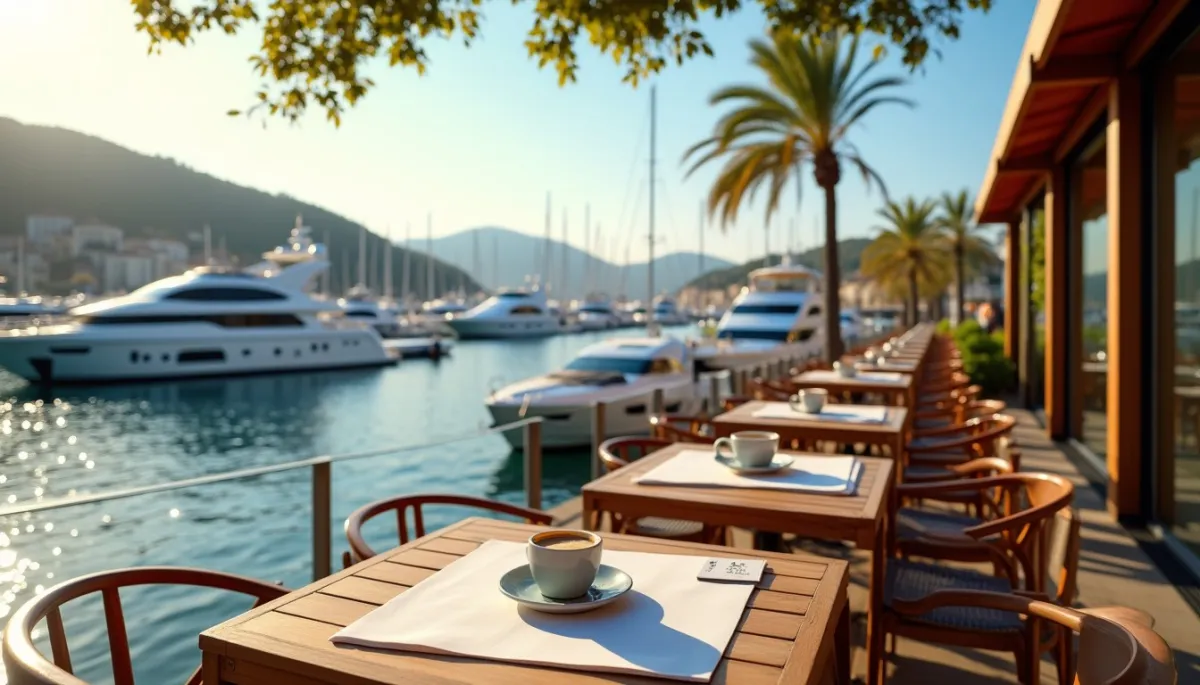
Imagine stepping off a TER in Antibes on a quiet March morning, coffee in hand, seagulls, a conversation in a marina cafe about a new eco-yacht charter, and a founder sketching the business model on a napkin. That blend of sunlit leisure and precise ambition is commonplace here. Cannes and Nice host high-profile festivals, but the entrepreneurial pulse often beats in the quieter pockets: Sophia Antipolis labs, MonacoTech offices, boutique ateliers in Antibes.
The result is visible. Local cafés double as informal pitch rooms, coworking spaces fill with seasonal and permanent founders, and events like MIPIM or Cannes Lions provide short, intense windows of networking that turn into contracts. Companies in marine tech, luxury services, hospitality startups, and digital health find customers and partners on the same coast. Real stories include medtech teams collaborating with Nice hospitals, or a small charter company using Cannes film sets to book premium clients during festival weeks.
Mai, juin, retombées visibles pour les créateurs
Consequence first: creation here produces immediate economic echoes. A boutique hotel concept in Menton can attract international press within weeks. Pop-up restaurants during festival season become proof of concept overnight. Local success stories are often seasonal conversions: a summer-tested product becomes year-round after securing local hotel partnerships.
Examples abound. Sophia Antipolis hosts R&D teams that license technology to global firms. MonacoTech publicly supports deeptech and fintech startups that access a wealthy client base. In Nice, municipal programs co-fund urban tech pilots that later scale nationally. These are not abstract gains. They are contracts, pilots, and hires.
Small anecdotes illustrate the chain: a developer from Villefranche works with a yacht builder from Antibes; together they launch a booking app that rides the 2024-2025 yachting boom. A culinary entrepreneur tests a menu in a pop-up on the Promenade des Anglais in November and secures a long-term lease for an off-season bistronomic venue.
Juillet, août, pourquoi ces initiatives se multiplient
Cause: the Riviera’s diversity of demand is the engine. High-net-worth visitors seek bespoke services, tourists require experiences, and the regional economy supports innovation clusters. This mix creates niches where specialized offers succeed quickly.
Historical momentum matters. The Côte d'Azur became fashionable in the 19th century with British aristocrats, which created a long tradition of hospitality and luxury craftsmanship. In the late 1960s, the creation of Sophia Antipolis by Pierre Laffitte (a factual milestone) added an institutional layer for research and tech. Today the result is an ecosystem where tourism and tech interact naturally.
Public policy and infrastructure reinforce the trend. Local authorities fund incubators and coworking spaces, ferry lines and regional trains connect coastal towns, and international events concentrate buyers and media. For foreign entrepreneurs, the French "passeport talent" visa simplifies stay for founders who can present a viable plan. These structural factors explain the proliferation of projects across sectors: sustainable tourism, marine innovation, luxury e-commerce, healthtech tested in local hospitals.
Septembre, octobre, cependant les freins et contradictions
However, contradictions exist. Real estate prices and seasonal swings are the main constraints. Office rents and property costs near prime locations like Nice and Cannes remain high. Many entrepreneurs choose peripheral towns or Sophia Antipolis to contain costs, but that can increase travel times and limit face-to-face access to clients during peaks.
Another tension is talent. The region attracts international executives, but competition with Paris and foreign hubs for tech talent is fierce. Startups must offer meaningful incentives, flexible work arrangements, or niche appeal to hire locally. Regulatory complexity and taxation in France can also frustrate newcomers who underestimate administrative steps. Local chambers and incubators can help, yet the learning curve remains real.
Looking forward, sustainability will reshape opportunities and constraints. Rising sea levels and environmental regulations will impact coastal projects, but they will also create demand for sustainable solutions. Entrepreneurs who design resilient, low-impact services will find both public funding and a market willing to pay a premium.
Practical advice for those who want to start here: choose the shoulder season to test offers, partner with established hotel groups for distribution, plug into Sophia Antipolis or MonacoTech for mentorship, and anticipate property and hiring costs. For non-EU founders, investigate the passeport talent early. And finally, use local events strategically; a focused presence at Cannes in May can open the right doors faster than months of cold outreach.
Thanks for reading, and don't forget, Enjoy Life Moments!