Blooming narcissi: the secret of the 'neiges de mai' above Montreux
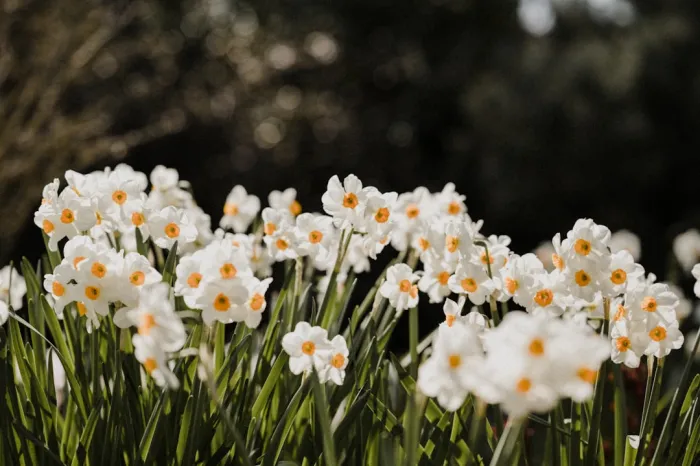
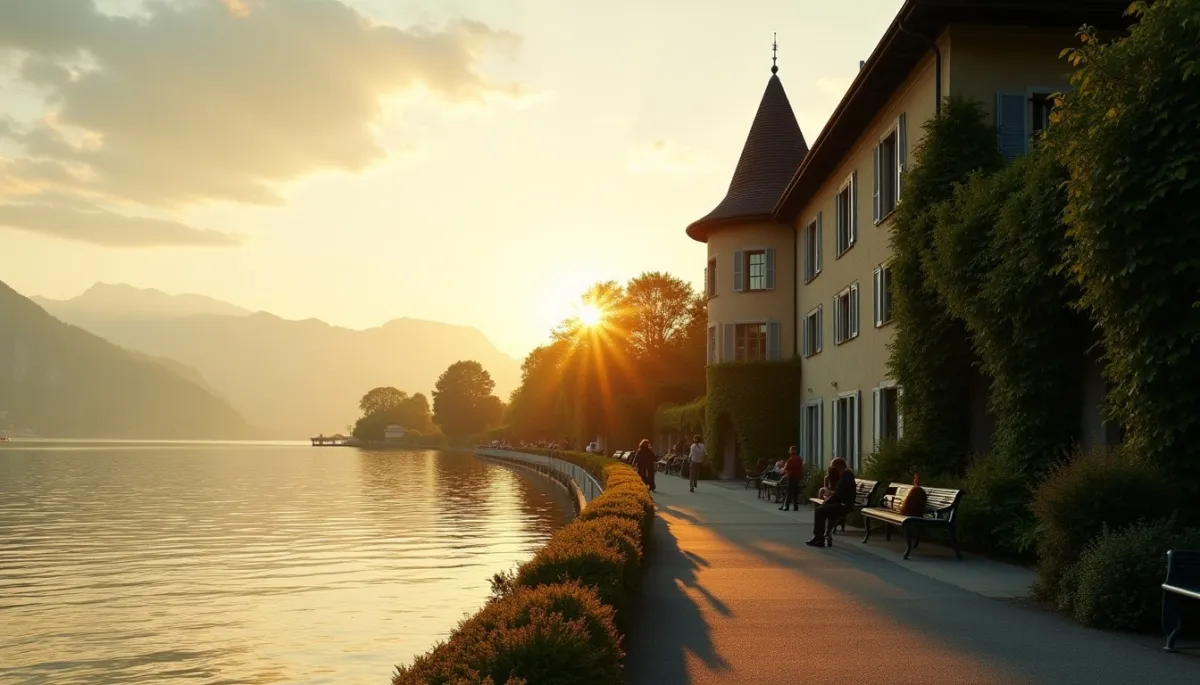
On clear mornings, the narcissus fields glow against the backdrop of Lake Geneva and the Alps, offering a postcard-perfect scene that lasts only a few weeks. The phenomenon is not only photogenic but also rooted in local ecology and microclimate conditions unique to the Swiss Riviera.
Visitors come to witness the bloom from late April to mid-May, when altitude, temperature and snowmelt align to coax the bulbs into flower. Simple access from Montreux makes these meadows one of the region's most accessible springtime wonders.
Where to see the "neiges de mai"
The best vantage points are the alpine meadows above Montreux—areas around Caux, Les Avants and the slopes near Rochers-de-Naye commonly host dense carpets of narcissi. A short mountain train ride from Montreux leads you to trails that pass right through the blooming zones.
For practical visitor information and local listings, check Montreux on TripAdvisor and the Montreux overview on Wikipedia to plan transport and lodging: TripAdvisor: Montreux and Wikipedia: Montreux.
Why the slopes turn into "neiges de mai"
The narcissus bloom is driven by a combination of factors: the mild microclimate near Lake Geneva, south-facing slopes that warm quickly in spring, and traditional alpine meadows where bulbs have persisted for generations. These conditions favor early-flowering species such as wild daffodils (narcissi).
After winter snowmelt, the bulbs sense increasing daylight and soil warmth, producing simultaneous flowering that creates the impression of a delicate, low snowfield—hence the local name "neiges de mai." The result is an ecological event linking climate rhythms, soil, and long-standing pasture management.
Best tips for visiting and photographing
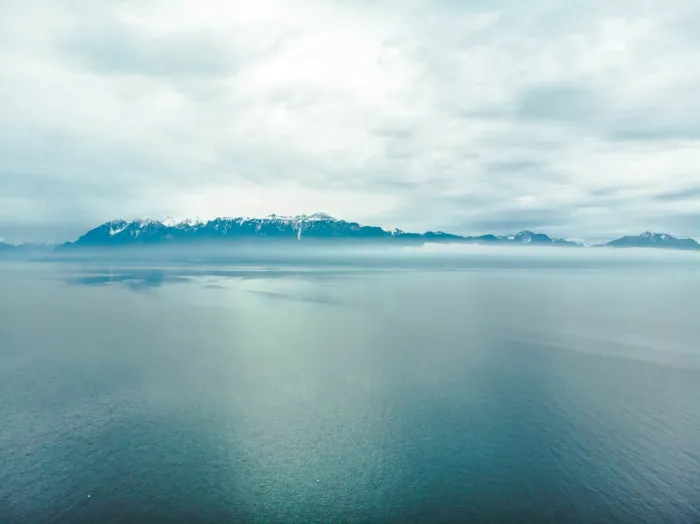
To experience the bloom at its peak, aim for early morning light on calm days—mist or low clouds over Lake Geneva can add atmosphere to photos. Stay on marked paths to protect bulbs and meadow habitat; trampling thin carpets of flowers can prevent future blooms.
Combine your visit with a ride on the historic Montreux–Rochers-de-Naye train for alpine panoramas, and pack layers: spring mountain weather changes fast. Respect private land and seasonal grazing—local signage often indicates where access is allowed and when lambing or grazing may restrict trails.
Local guides and seasonal nature walks can deepen appreciation of the phenomenon and ensure low-impact visits. For broader reading on Swiss alpine flora and conservation best practices, authoritative resources and travel guides are helpful starting points.
Thanks for reading, and don't forget, Enjoy Life Moments!