Cap d'Ail: Monaco's wild little sister and its steep coves
🚀 Key Takeaways
- Core idea : A wild, accessible refuge next to Monaco.
- Practical tip : Reach Plage Mala via the Cap d'Ail train station, then walk down the stairs early to avoid crowds.
- Did you know : "Sentier des douaniers" means old customs officers' path, now a scenic coastal trail.
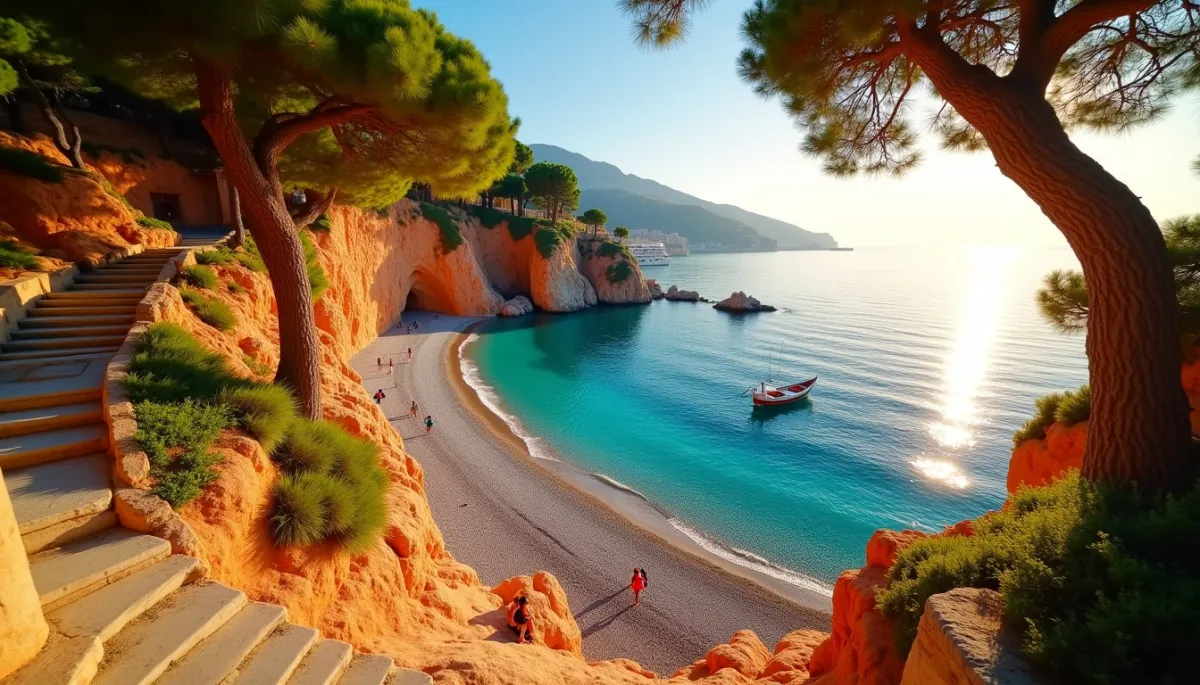
Close your eyes and imagine a pebble beach cupped by orange cliffs. The water is so clear you can count the fish, and Monaco's skyline shimmers just out of frame.
Shoreline in miniature
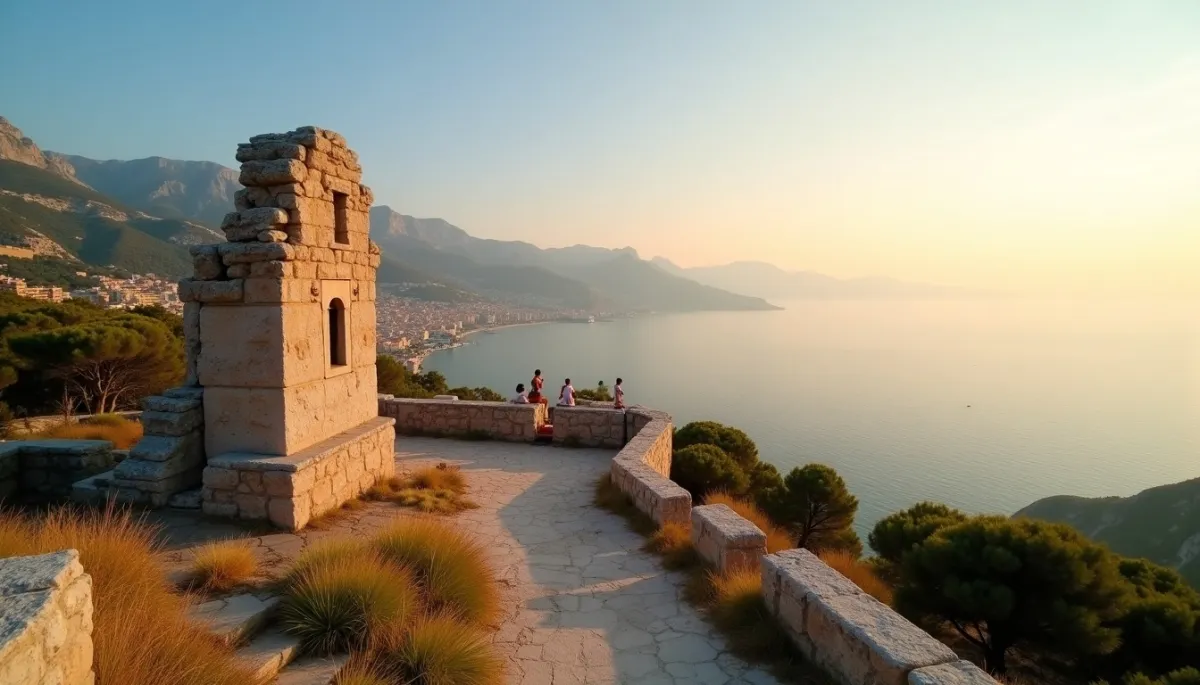
Cap d'Ail is compact but dramatic. From the tiny port near the town center to the famous Plage Mala, the coastline is a series of short, steep descents that reveal secluded coves and vantage points over the Mediterranean.
This proximity to Monaco gives the town a double personality. By day, visitors drift from the principality to taste a quieter shore. By evening, Cap d'Ail returns to a slower tempo, locals walking dogs and anglers checking lines from rocky points.
Practically speaking, the commune sits on the Marseille–Ventimiglia railway line; the Cap d'Ail train station places the coastline within easy reach of Nice and Monaco. In summer, a small shuttle or the many steps bring you down to beaches that feel like hidden postcards.
Why the coves matter
These steep coves are more than pretty views. They create micro-environments where Posidonia meadows and coastal fish thrive, attracting snorkelers and small-scale conservation efforts. The narrowness of the beaches (often pebbles, not sand) also slows mass tourism.
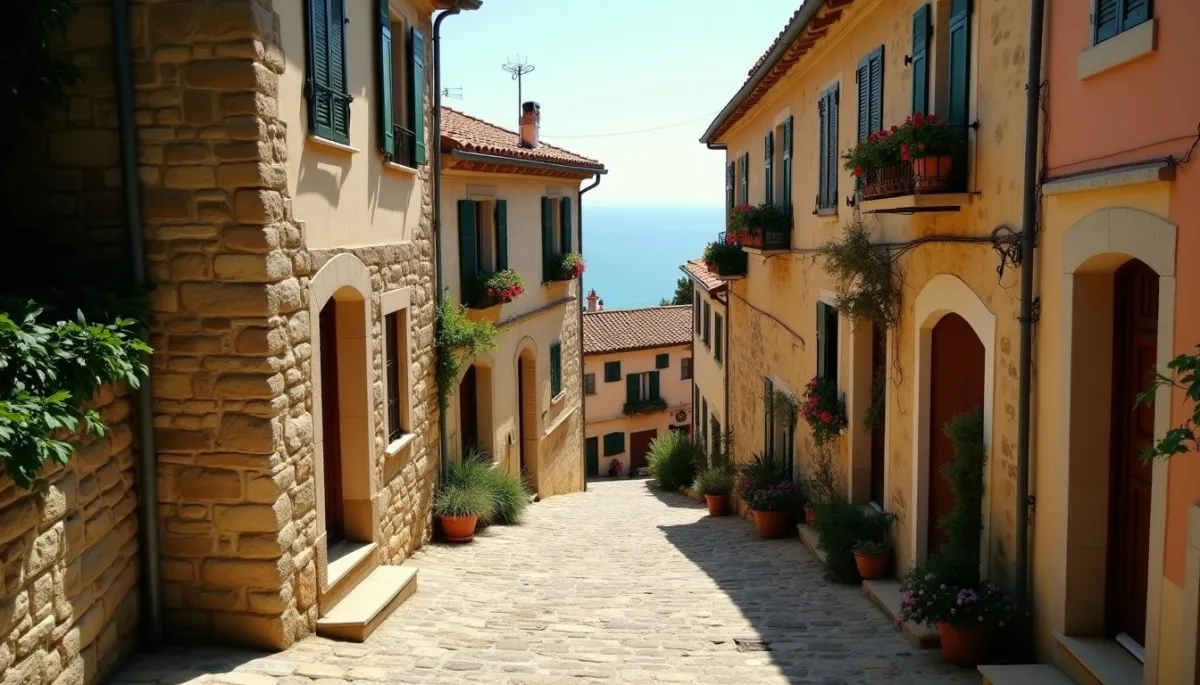
Historically, the area developed during the Belle Époque, with elegant villas clinging to slopes. Wealthy Europeans and artists found refuge here at the end of the 19th century, preferring privacy to the grand boulevards of Nice. That heritage remains: ornate gates, tiled roofs and discreet gardens punctuate the hillside.
For modern visitors, the attraction is experiential. People come to walk the Sentier des douaniers (literally "customs officers' path"), to swim in clear water, and to watch light shift over Monaco's skyline from a wild vantage point. The compact scale makes a single afternoon feel like a small voyage.
Access and habits
Getting there responsibly matters. The most common route is train to Cap d'Ail, then follow signs toward Plage Mala or the coastal path. Bus routes between Nice and Monaco also stop nearby. Parking is limited and steep, so public transport is recommended in high season.
Best times are early morning and late afternoon. Morning light gives excellent clarity for snorkeling; sunset creates a warm backdrop when the principality lights up. Wear good shoes. Many paths are stone steps and uneven tracks, not stroller-friendly.
Local services are small-scale: a handful of beach cafés, rental spots for masks and paddles, and occasional guided walks. If you want solitude, explore lesser-known coves east of Mala, but respect private property. Many cliffs and stairways are part of old estates.
Contrasts and challenges
Cap d'Ail's charm is fragile. Pressure from neighboring Monaco and seasonal crowds test local infrastructure. During heatwaves, the town faces greater demand for water and public services, and the natural coastline needs protection against overuse.
Municipal initiatives in recent years have sought to balance access and conservation. Simple measures like signage, limited vehicle access near beaches, and awareness campaigns aim to keep footpaths intact and underwater ecosystems healthy.
For visitors this means a choice: enjoy what is open and obvious, like Plage Mala, but also leave room for quiet. Take garbage with you, avoid trampling low vegetation, and consider visiting outside the peak months to experience the wild sister of Monaco at her best.
Thanks for reading, and don't forget, Enjoy Life Moments!