Where to sleep eco responsibly on the French Riviera
🚀 Key Takeaways
- Key concept : Opt for small hotels, guesthouses and renovated villas that prioritize energy, water and responsible sourcing.
- Practical tip : Travel in spring or autumn, and favor trains, bikes and electric boats to reduce your footprint.
- Did you know : The region combines luxury tourism with numerous certified eco properties and protected natural areas.
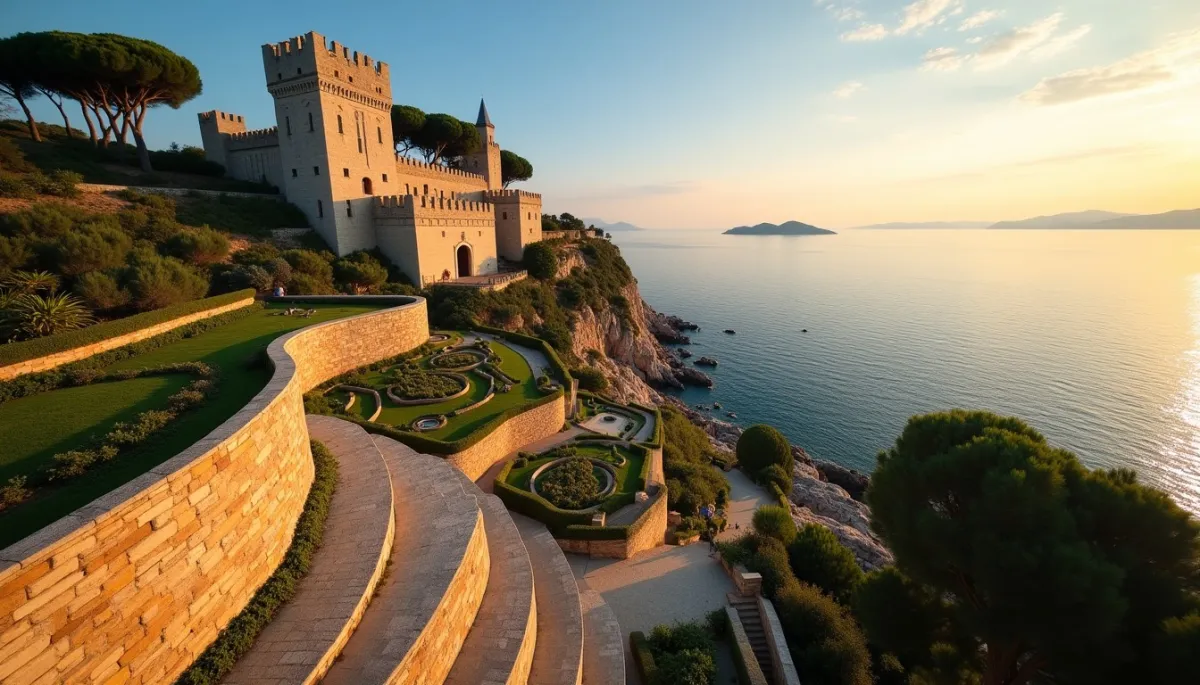
The French Riviera often conjures images of glamour, but it also hosts a growing movement of low impact stays that blend comfort with care for place. From renovated sea villas using solar energy to family-run guesthouses serving local produce, options now match different budgets and tastes.
In 2026 the local hospitality scene has matured: certifications, municipal incentives and community initiatives make it easier to choose lodging that truly minimizes impact. This guide helps you find where to sleep, how to evaluate choices, and what to do once you arrive to keep your trip light and meaningful.
Why choose eco responsible stays on the Côte d’Azur
Staying eco responsibly means supporting businesses that reduce waste, save water, and buy locally. On the Riviera, that translates into fresher food, cleaner beaches and preserved landscapes you actually came to see.
Beyond ethics, eco stays often offer distinct advantages: calmer locations, personalized service, and creativity in design that favors natural materials. You trade some polished excess for authenticity, and many travelers tell me they feel the difference right away.
Top types of eco friendly accommodation to consider
Look for small hotels and guesthouses that manage energy and water carefully, use renewable sources, and serve regional food. Family-run chambres d'hôtes often have lower footprints and richer local ties than large chains.
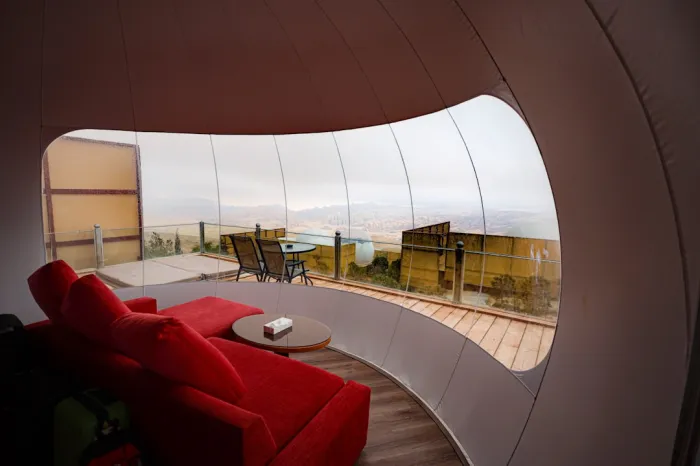
Other options include renovated villas with solar installations, farm stays that let you connect with Provençal agriculture, and low-impact campsites or glamping sites set near protected areas. Each offers a different balance of comfort and sustainability.
- Small hotels and chambres d'hôtes with local sourcing.
- Farm and agritourism stays that support local producers.
- Eco-conscious guesthouses and renovated villas using renewable energy.
- Low-impact campsites and small glamping sites for nature immersion.
Best areas to sleep eco responsibly
Choose locations that make low impact travel easy. Nice and Antibes are great for train connections and bike use, while smaller towns like Menton or Saint-Raphaël offer quieter stays closer to nature reserves.
For island escapes, the Lérins islands and Porquerolles prioritize conservation. Inland areas near Parc national du Mercantour or the Massif de l'Esterel feature eco lodges that are ideal for hikers and wildlife lovers.
How to vet and book an eco stay
Ask about certifications such as Green Key, EU Ecolabel or local eco-labels, but also request concrete practices: how properties manage water, energy and waste, and whether they source food locally. Small properties often provide clear, honest answers.
Book directly when possible to support owners, check recent guest reviews for mentions of sustainability practices, and favor flexible dates to visit off-peak. If you must fly, consider carbon offset options and stay longer to reduce per-day impact.
Getting around and low impact activities
Reduce your footprint by taking the train to Nice or Cannes and then using regional trains, buses, rental bikes or electric scooters to move around. Many coastal towns now offer e-bike rental and bike lanes that make exploration simple and pleasant.
For activities, choose guided hikes, snorkeling with responsible operators, or boat trips run by companies committed to low emissions. Support local markets and artisans rather than large souvenir shops to keep your travel benefits within the community.
Thanks for reading, and don't forget, Enjoy Life Moments!