How Prince Albert I of Monaco laid the foundations of modern oceanography
🚀 Key Takeaways
- Core concept : A private patron helped professionalize oceanography through systematic expeditions.
- Practical tip : Visit the Oceanographic Museum of Monaco on the Rock to see historic collections and models of the yachts Hirondelle and Princesse Alice.
- Did you know : Albert I combined aristocratic travel with rigorous sampling, bringing back thousands of specimens and precise charts.
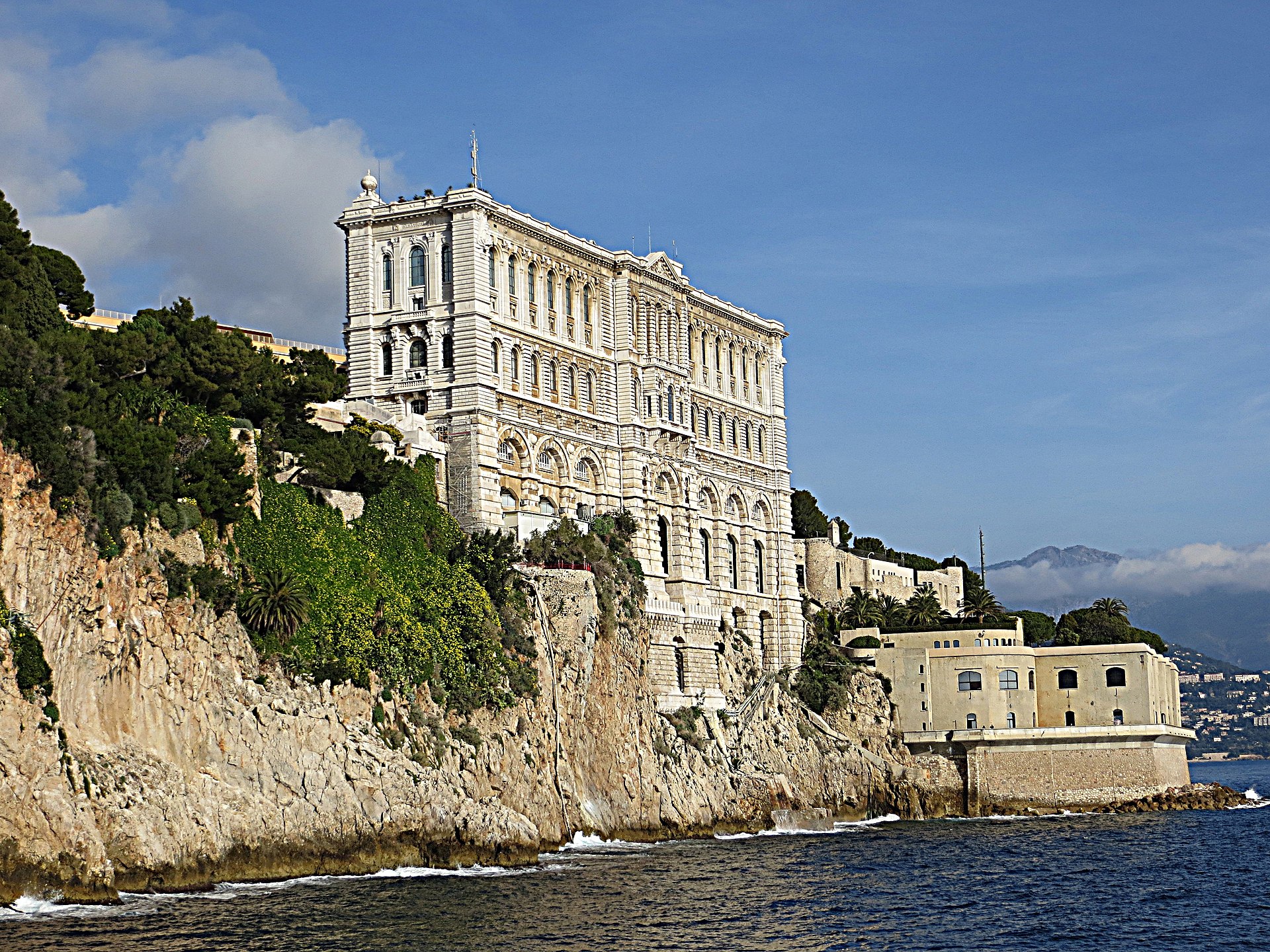
He loved the sea. Imagine standing on the terrace of the Oceanographic Museum, the stone cliffs under your feet, the Mediterranean spreading blue and quiet below, while a plaque recalls a sovereign who sailed to study what lay beneath the waves.
A monégasque legacy
Prince Albert Joseph Charles of Monaco was born in 1848 and died in 1922. His reign coincided with a crucial moment for natural sciences in Europe, and he made Monaco a laboratory by the sea.
From the 1880s he equipped yachts such as the Hirondelle and the Princesse Alice and organized numerous campaigns across the Mediterranean, the North Atlantic and as far as the Azores. Those voyages were more than explorations; they were systematic campaigns of observation, sampling and mapping.
One of his most visible legacies is the Oceanographic Museum of Monaco, built into the Rocher cliff and opened to the public in the early 20th century. It became a place of conservation and of popular transmission, where specimens, models and charts make scientific work accessible.
Methodes et instruments
Albert I popularized the idea that the sea must be studied with reproducible methods. His campaigns standardized procedures: sounding for depth, dredging for benthic fauna, temperature profiles and careful specimen labelling. These methods later formed the backbone of modern oceanographic protocol.
He supported the development and distribution of improved instruments. Simple sounding lines were augmented by better dredges and sampling nets. Data were recorded with rigor, enabling comparisons across cruises and seasons, a practice essential to long term science.
Crucially, Albert published and financed scientific reports. The data from his campaigns were shared with universities and learned societies. By turning private expedition results into public science, he helped change oceanography from amateur natural history into an organized discipline.
People and stories
Albert I collaborated with eminent scientists of his time. Naturalists and hydrographers joined his ships; their names populate the catalogs and plates preserved at the museum. Expeditions returned with unexpected finds: deep-sea sponges, corals and species previously unknown to science.
There are human anecdotes as well. Crew logs recount nights of lantern light over specimens and long cataloguing sessions on the deck. Photographs show early scientific cameras and preserved jars, a striking image of meticulous work in a time of steam and sail.
Monaco became a meeting point. Conferences, exchanges of specimens, and contacts with institutions in Paris, London and Naples amplified the Prince's impact beyond the principality.
Limits and legacy
His approach had limits typical of its era. Sampling was often invasive, reflecting a period before conservation ethics were widespread. Yet his insistence on data, standardization and institution building outweighed the shortcomings and set standards.
Today, oceanographers use technologies unimaginable in Albert's time, from autonomous floats to satellite altimetry. Nevertheless his core lesson remains relevant: careful observation, repeatable methods and public access to data are indispensable.
For visitors to the French Riviera, Albert's work is a living heritage. A tour of the Oceanographic Museum, a walk around the Rocher and a ferry ride across the bay make tangible the link between Monaco's glamour and its scientific commitment.
Thanks for reading, and don't forget, Enjoy Life Moments!