The myth of the Cabanon: Le Corbusier and the minimalist holiday
🚀 Key Takeaways
- Core concept : A compact, handcrafted cabin embodying simplicity and proportion.
- Practical tip : Visits are limited, book via the Fondation Le Corbusier; combine with a walk along the Cap-Martin coast.
- Did you know : The Cabanon is part of the 2016 UNESCO listing of Le Corbusier's works.
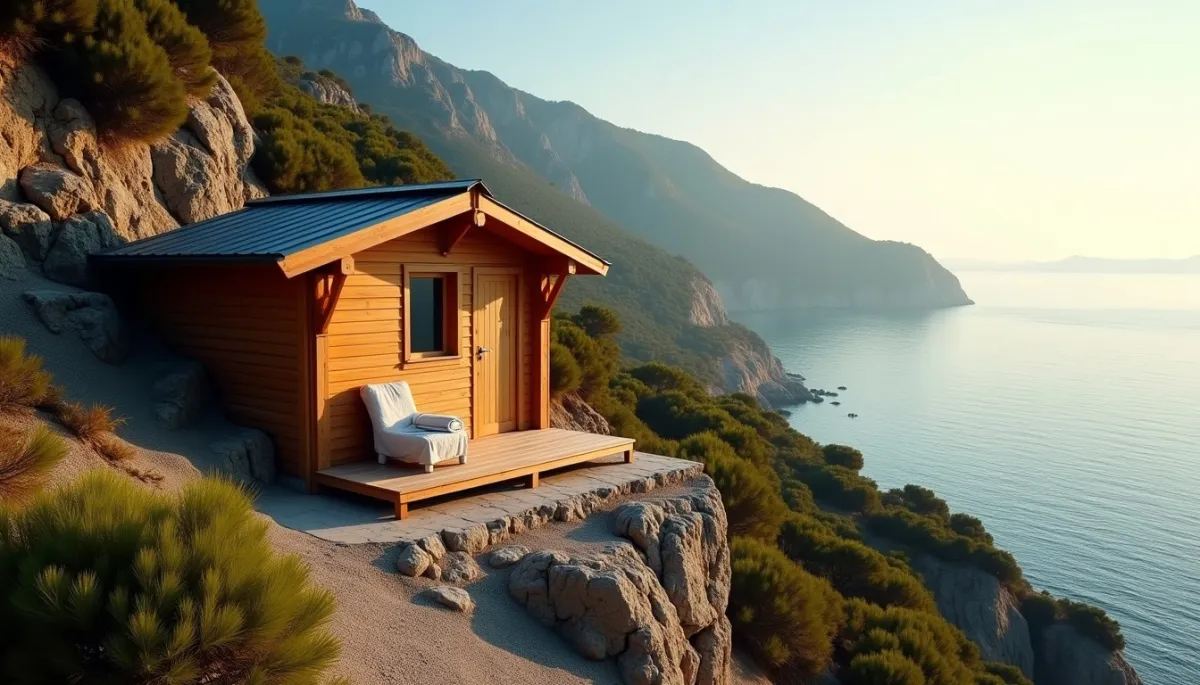
It feels like a secret. Imagine a wooden box perched on a steep Mediterranean slope, salty wind, the distant rumble of the sea, and a single small window framing the horizon.
Bare essentials
Le Corbusier designed his Cabanon to be minimal and intensely human. Built in 1952 on the hillside of Roquebrune-Cap-Martin, it was his summer refuge and a laboratory of reduced living. The cabin is compact, with built-in furniture and the scale tied to the human body (his well-known obsession with proportions).
The impact is concrete: a radical antidote to grand villas and tourist excess. The Cabanon invited visitors and later generations to rethink leisure as presence, not consumption. It anticipates contemporary trends such as tiny houses and slow travel.
Today the cabin belongs to the Fondation Le Corbusier and is protected as part of the ensemble of works inscribed on the UNESCO World Heritage List in 2016. Access is controlled, which helps preserve both the object and the fragile landscape around it.
Why it happened
After decades of designing monumental projects, Le Corbusier sought a private retreat. The compact cabin embodied his ideas about proportion, utility and the essentials of living. Working with limited means, he carved a functional space where everything had its place.
The postwar era also shaped the choice. Material scarcity, shifting values, and the search for authenticity led many artists and architects to favor modest dwellings. Le Corbusier's Cabanon is an artistic response to that historical context.
Its influence spread because the story is simple and emblematic: a famous architect choosing a modest life by the sea resonates with those who seek meaning beyond material excess.
Tensions and echoes
Yet the myth contains paradoxes. The Cabanon is both democratic in idea and exclusive in practice. While it champions modest living, its status as an architectural icon elevates it into a protected relic, hardly accessible to mass tourism.
Contemporary minimalism sometimes risks becoming a stylistic choice sold at premium prices. The spirit of the Cabanon — voluntary simplicity and intimate scale — can be diluted when translated into boutique retreats and curated experiences.
Still, the lesson remains alive. For travelers on the French Riviera, visiting the site or staying in small, thoughtfully designed lodgings offers a way to reconnect with the pleasures of reduction: better light, fewer distractions, sharper attention to sea, sky and company.
Practical advice: plan ahead with the Fondation Le Corbusier, go early in the morning to enjoy the light, and bring sensible shoes for the steep path. If you cannot visit, nearby promenades at Roquebrune and Cap-Martin capture the same Mediterranean blend of rock and calm.
Thanks for reading, and don't forget, Enjoy Life Moments!