Poetic inspiration: why Lord Byron and Mary Shelley wrote their masterpieces here

🚀 Key Takeaways
- Core idea : The gloomy summer and rich conversations at Villa Diodati catalyzed literary breakthroughs.
- Practical tip : Visit Château de Chillon and Cologny to feel the landscape that inspired them.
- Did you know : The "Year Without a Summer" was caused by the 1815 eruption of Mount Tambora.
They wrote while the Alps brooded over the lake.
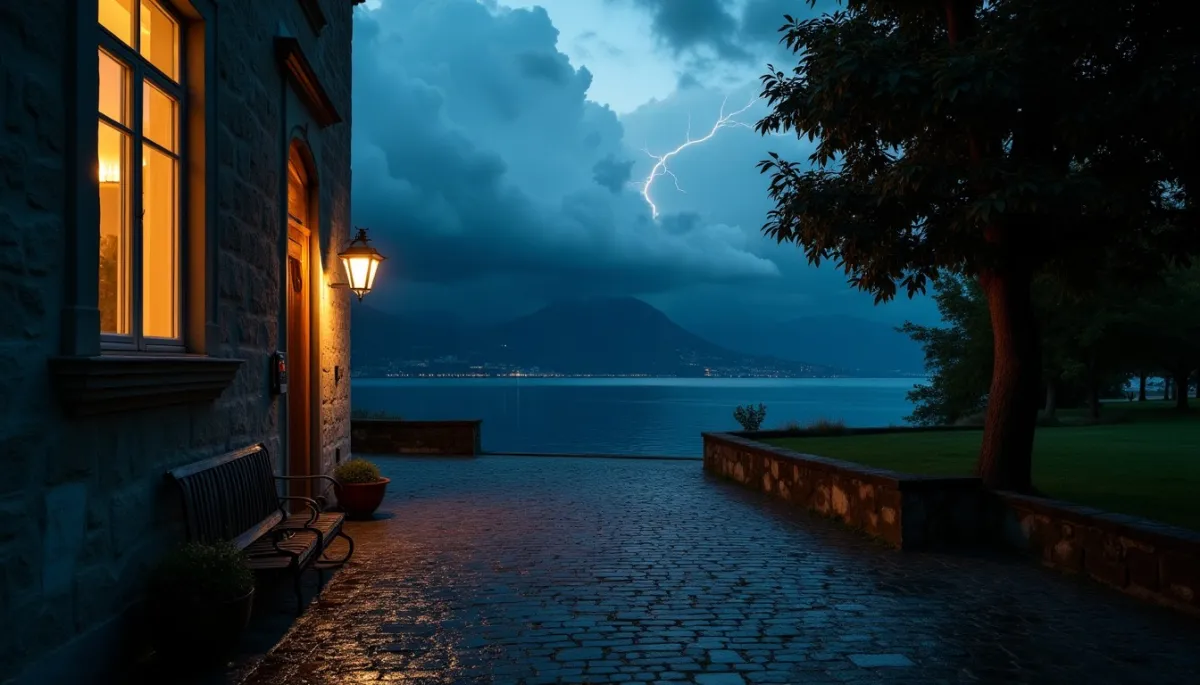
Imagine a grey June 1816, rain lashing the shores of Lake Geneva, candles guttering in a grand villa. Inside, Lord Byron, the Shelleys and John Polidori played games of storytelling and debated the latest science. Windows steamed, the lake was a sheet of pewter, and every thunderclap felt like a punctuation mark in their conversations.
été sans été
In 1816 Europe experienced the "Year Without a Summer", a climatic anomaly following the 1815 eruption of Mount Tambora in Indonesia. Crops failed, weather turned wild, and in Switzerland the endless storms forced people indoors.
For the circle gathered at Villa Diodati in Cologny (near Geneva), the weather provided an unlikely collaborator. Locked away by rain, they told ghost stories and debated life, death and the powers of nature.
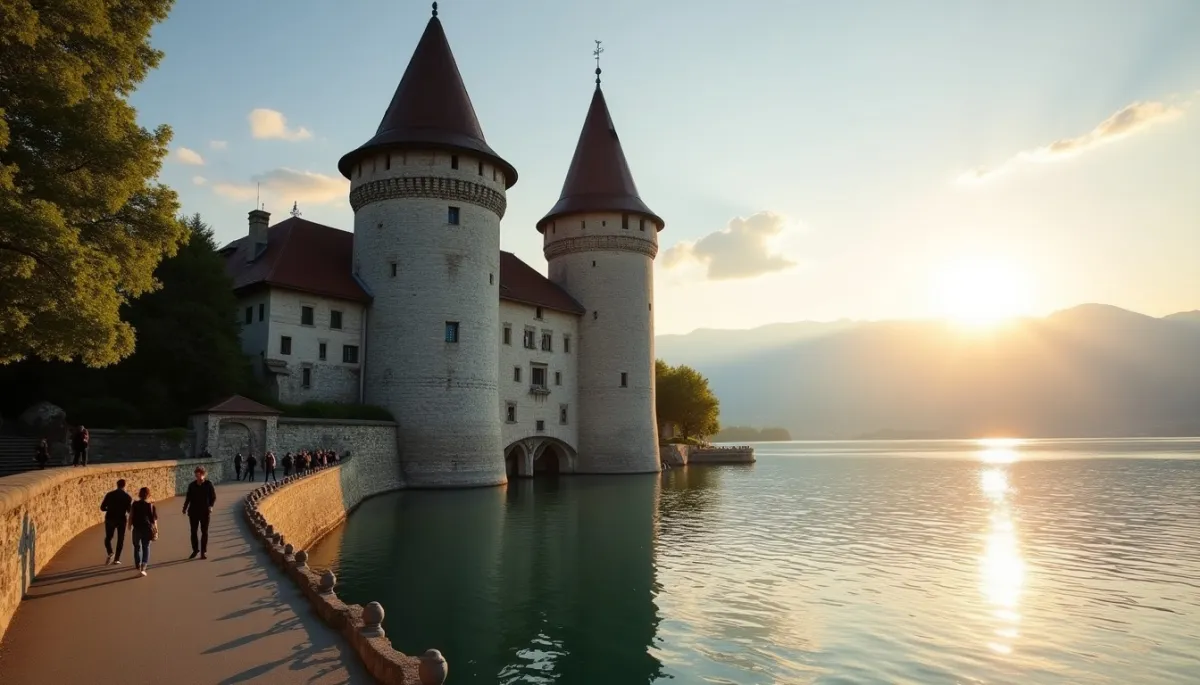
The immediate consequence was literary. Mary Godwin (later Mary Shelley) conceived Frankenstein during that summer; her novel was published in 1818. Lord Byron, who had been traveling the Riviera suisse, produced poetry such as "The Prisoner of Chillon" in 1816, inspired by a visit to Château de Chillon.
paroles et expériences
The cause of their creativity was both social and intellectual. These were restless minds in transit. Byron (born 1788) had already made a scandalous name in London, and he found in Switzerland both exile and intensity.
Mary (born 1797) and Percy Shelley (born 1792) arrived in the region seeking refuge and conversation. The guests included Claire Clairmont and physician John Polidori (born 1795), who would later publish "The Vampyre" (1819), a seed planted during those evenings.
Conversations turned to galvanism (the study of electricity and its effects on the body), experiments on life and death, and the Romantic fascination with the sublime. These topics fed imaginations, turning scientific hypotheses and nightmares into narrative fuel.
ombres persistantes
However, the picture is more complex than a single rainy summer birthing masterpieces. Mary Shelley refined her novel over months, drawing on earlier ideas, dreams and the tragic deaths she experienced, including loss in childbirth and the death of her brother.
Byron's output in Switzerland mixed private lyricism and public persona; his travels through the Riviera suisse, visits to Montreux and Château de Chillon, and his social charisma all shaped his work. The place was catalytic, not miraculous.
Today, contradictions remain. Villa Diodati is privately owned but commemorated by plaques. Château de Chillon is open to visitors and stages exhibitions that explain Bonivard's imprisonment, Byron's poem and the broader Romantic fascination with imprisonment and freedom.
Practical advice for readers: walk the lakeside promenades of Vevey and Montreux to sense the light that fascinated Romantics, visit Château de Chillon to see the cells that inspired Byron, and stop by Cologny for the Villa Diodati plaque. Read Frankenstein with an eye to the scientific debates of the time, and imagine the candlelit evenings where a group of friends transformed gloom into creation.
Thanks for reading, and don't forget, Enjoy Life Moments!