Living with the seasons: how the Swiss rhythm boosts mental well-being
🚀 Key Takeaways
- Core concept : Seasonal living supports mood through light, community rituals and nature-based activities.
- Practical tip : Time walks in Lavaux terraces at sunrise in spring, join village harvests in autumn.
- Did you know : The Fête des Vignerons in Vevey is a generational marker tied to viticultural cycles that strengthens communal rhythm.
Morning light on the promenade, a fisherman casting near Château de Chillon, a vine-worker pausing between rows. That simple succession of moments is the pulse of the Swiss Riviera.
When you live here, seasons are not abstract labels. They structure markets, festivals, food and sleep patterns. That structuring has measurable consequences for mental well-being. From sustained outdoor social life in summer to restorative indoor rituals in winter, the Lake Geneva region offers concrete ways to align body and calendar.
Oct–Nov: consequence — what happens when seasons set the tempo
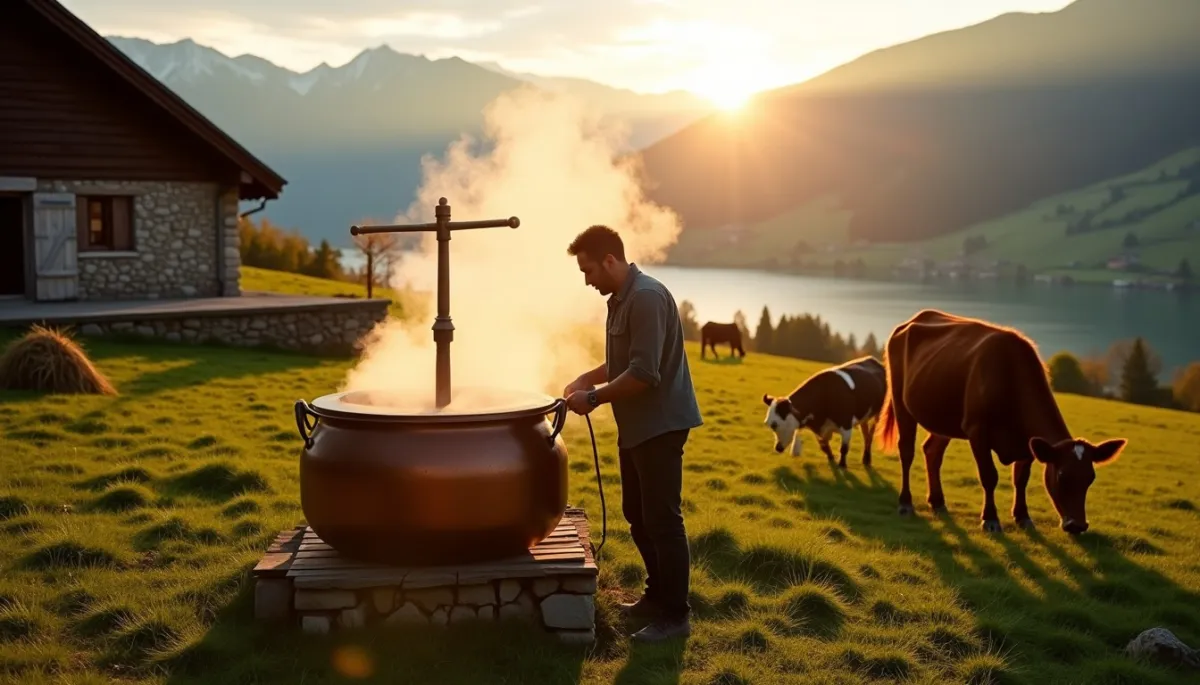
In autumn, the terraces of Lavaux turn gold and auburn. Locals talk about the week of vendange, the grape harvest when families and neighbours gather to pick Chasselas grapes, share food and music. Those gatherings are not mere traditions. They create social cohesion, a sense of purpose and collective achievement, all protective factors for mental health.
Take the Fête des Vignerons in Vevey, historically linked to the vine cycle. When the festival comes, generations reconnect, renewing identity and belonging. Such periodic communal rituals punctuate life and give people temporal anchors, which psychologists say reduce anxiety by providing predictable social milestones.
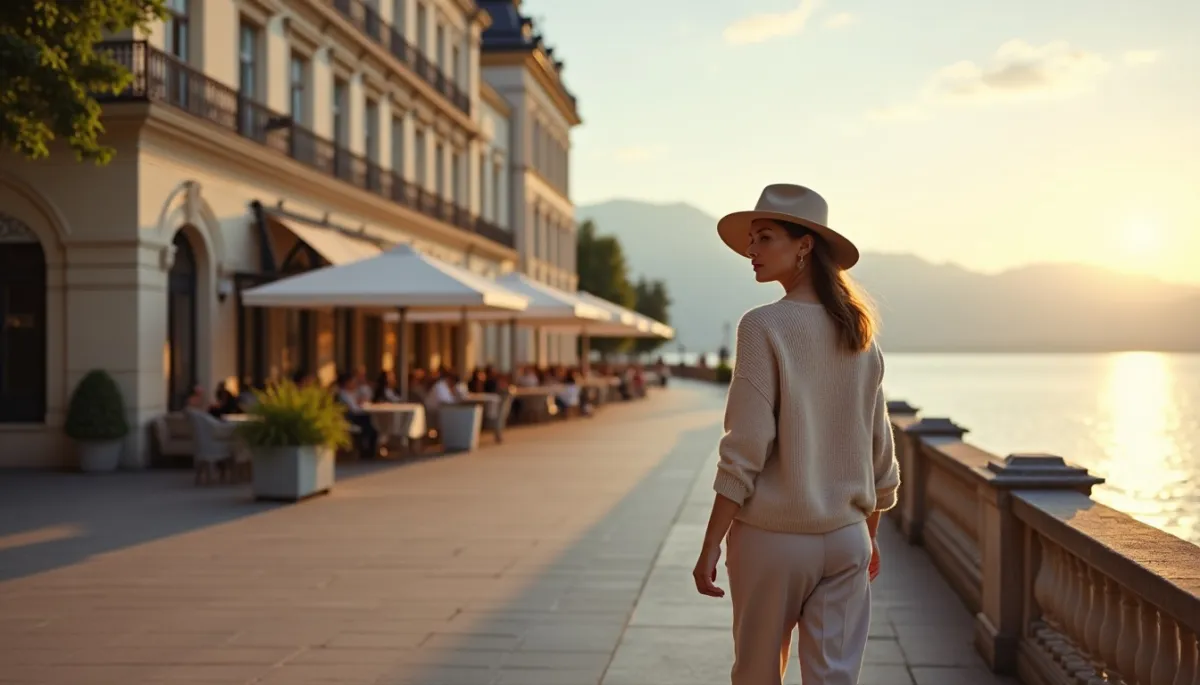
Summer brings Montreux Jazz Festival, lakeside swims, and long evenings walking Ouchy in Lausanne. The increased daylight and activity boost serotonin and encourage movement. Local cafés fill with friends and seasonal menus celebrate perch fillets, garden herbs and early berries, reinforcing healthy patterns of social eating and outdoor exposure.
Dec–Feb: cause — why the rhythm matters for mental health
At the heart of this seasonal effect is chronobiology (the study of biological rhythms). Human bodies respond to changes in light, temperature and social schedules. On the Riviera, Lake Geneva moderates extremes, creating a temperate microclimate that prolongs outdoor life and daylight exposure compared to inland valleys. That environmental stability reduces the impact of wintertime low light on mood.
Local public health initiatives and clinics, including researchers at the University of Lausanne and CHUV, emphasize circannual rhythms (yearly biological cycles) in mood disorders. Light therapy and structured social activities are recommended interventions. The Riviera’s calendar of markets, concerts and seasonal fairs acts like gentle, community-level therapy, entraining people to predictable patterns.
There is also a culinary component. Seasonal eating—spring asparagus and early lake fish, autumn squashes and local game, winter fondues—anchors appetite and metabolic rhythms. Small producers in Lavaux and Vevey market their seasonal harvests at farmers’ markets, which encourages residents to eat with the season, stabilizing energy levels and mood.
Mar–May: cependant — limits, contradictions and what to expect next
However, the seasonal model is not without limits. Modern work rhythms, telecommuting and artificial lighting can desynchronize personal clocks from natural cycles. Young urban professionals in Lausanne or Geneva may miss the outdoor rituals that older generations still keep. This creates a cultural gap where the protective seasonal rhythm is weakened.
Climate change also complicates the picture. Warmer winters and earlier springs alter harvest dates and the timing of festivals. Vignerons in Lavaux have adapted with different pruning schedules and grape varieties. These shifts demand social flexibility; rituals must evolve to remain meaningful anchors rather than fixed calendars.
Looking ahead, local initiatives are promising. Municipal programmes promote morning outdoor classes, intergenerational harvest projects and seasonal slow-food events. Small interventions, like encouraging schools to schedule activities outdoors in autumn light, or promoting late-afternoon walks along the lake, help restore alignment between modern life and natural rhythm.
June–Aug: practical rituals and local tips to live the rhythm
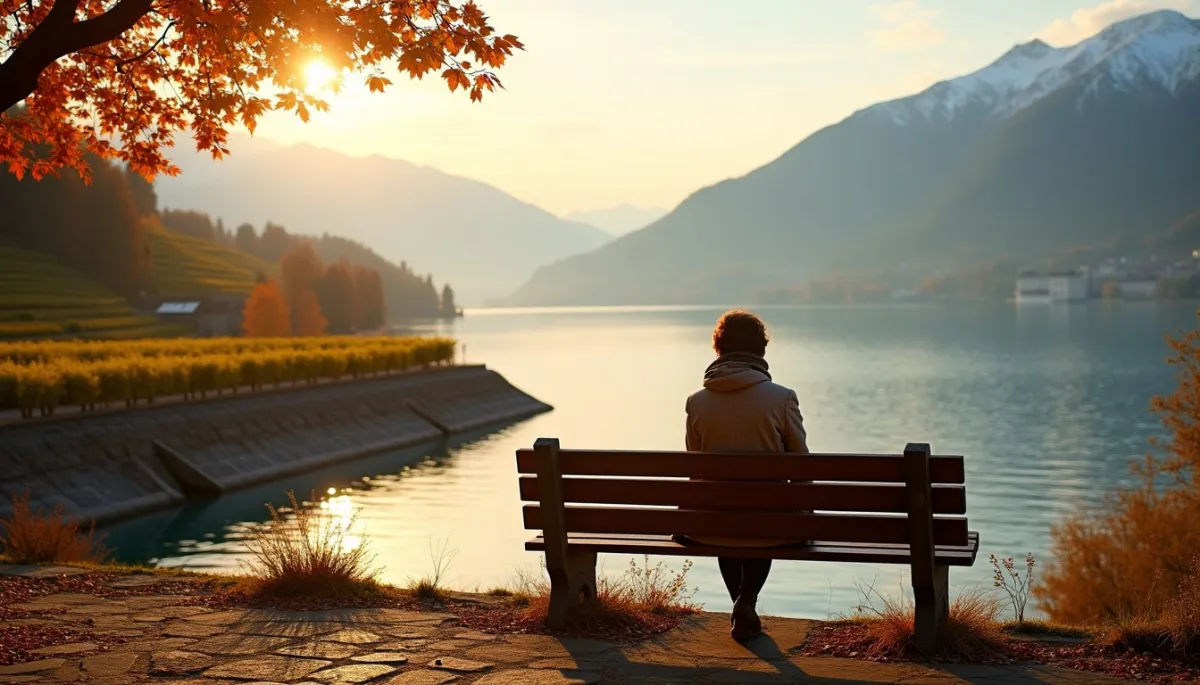
There are simple, concrete practices to tap into the Riviera’s seasonal advantage. Start with light: breakfast on a lakeside bench in spring, or a sunrise hike to Rochers-de-Naye to reset your day. The sun on your face matters more than you think.
Join community rituals. Volunteer during vendange in Saint-Saphorin or Vevey, visit the Montreux Christmas market in December, and book a table at an auberge in autumn to taste the seasonal menu. These acts build predictable social beats in your year.
Finally, respect sleep and food rhythms. Shift to earlier dinners in winter, favour hearty local dishes that comfort without overloading, and in summer, take advantage of post-dinner walks by the lake to digest and connect. Small habit changes replicate the natural cadence of the region and promote emotional balance.
Thanks for reading, and don't forget, Enjoy Life Moments!