Boutique hotels: how old bastides become intimate luxury retreats
🚀 Key Takeaways
- Core concept : Historic Provençal bastides (country manor houses) are being converted into boutique hotels for intimate, high-quality stays.
- Practical tip : Choose shoulder season visits, seek rooms under 25, and favour places with garden dining for the true bastide experience.
- Did you know : The word bastide comes from Occitan (bastida), and in Provence it designates a 17th-18th century manor, different from medieval bastide towns of the southwest.
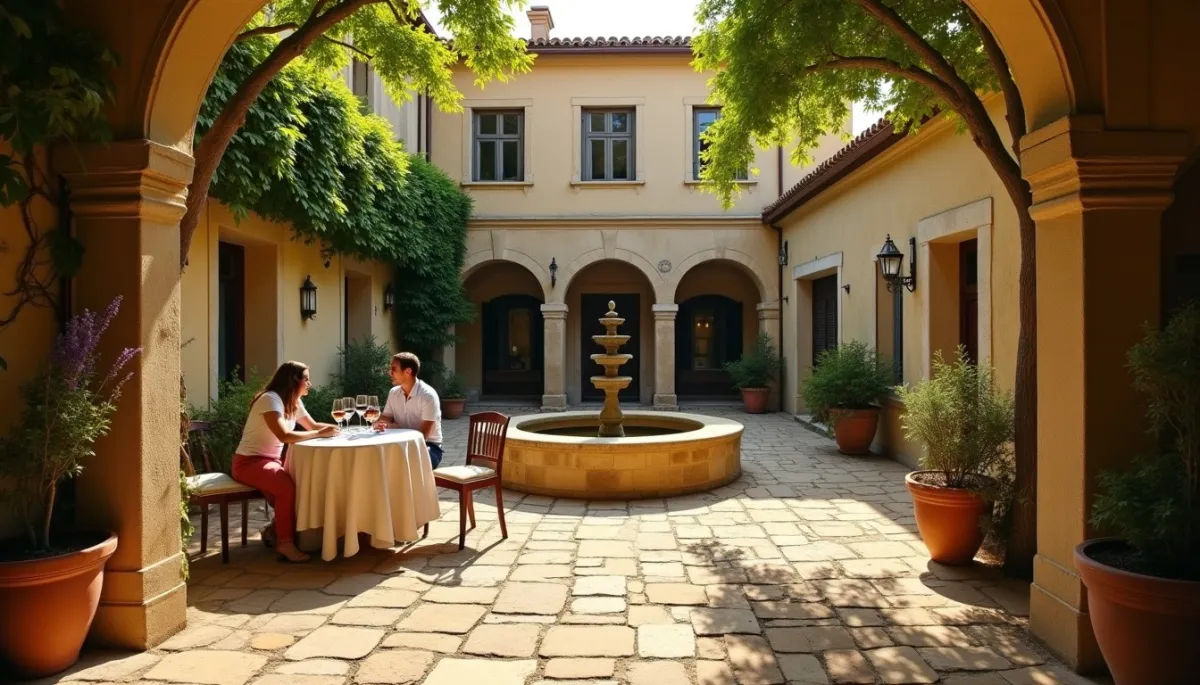
Close your eyes and breathe in lavender and grilled rosemary. You are in a shaded courtyard, a fountain murmuring, the light soft between plane trees.
Héritage retrouvé
Across Provence and the French Riviera, many bastides date from the 17th and 18th centuries. These were country houses used by urban families as summer retreats, built in local stone with thick walls and cool cellars.
Some bastides have stronger names and stories: the Jas de Bouffan in Aix, where Paul Cézanne spent part of his youth in the 19th century, remains a memory of artists and private gardens. In villages like Gordes and near Grasse, bastides have long been anchors of local identity.
Over the last two decades, a clear trend emerged: owners, hoteliers and designers convert these properties into small-scale hotels, typically under 30 rooms, to preserve intimacy and character. The result is an experience that feels like staying in a lived-in home rather than a branded hotel.
Pourquoi cette allure
Several factors explain the vogue. First, travellers seek privacy and authenticity more than ever, especially couples looking for romantic getaways. Boutique bastides deliver both: original beams, stone fireplaces and private gardens set a stage that is hard to reproduce in new-builds.
The post-2020 tourism landscape accelerated the movement. After lockdowns, guests preferred secluded places with outdoor spaces, local food and limited capacity. Owners responded by restoring original features, commissioning local artisans, and emphasising farm-to-table cuisine.
Economic logic plays a role too. Renovating an existing bastide can be more sustainable than building anew, and high average daily rates for intimate luxury stays make these projects viable for investors who value long-term preservation.
Formes et visages
Not all conversions are identical. Some bastides become gastronomic houses, run by chefs who bring regional produce to the table. Others develop a wellness focus, with small spas, hammams or poolside yoga on terraces overlooking olive groves.
Design choices matter. Successful projects balance restoration and contemporary comfort. Local stone is kept, and windows are enlarged for light. Interiors mix Provençal fabrics with modern bathrooms, and antique flea-market finds sit beside custom-made furniture.
Examples on the Riviera and nearby Provence are numerous. In Grasse, bastide-style hotels have long linked perfume heritage with dining, while in the Luberon and Var, small properties of eight to twenty rooms offer culinary programmes, truffle hunts in winter and lavender treks in summer.
Tensions et avenir
However, there are tensions. Preservationists warn against over-gentrification that erases working rural life. Turning a century-old bastide into a boutique hotel can strain local housing if properties are snapped up and become seasonal only.
Regulatory frameworks are evolving. Local councils increasingly require heritage-sensitive renovations and limits on room numbers. Many owners now collaborate with mairie and conservation architects to keep façades, stone pavements and centuries-old plane trees intact.
Looking forward, the next wave will likely emphasise ecology. Expect more solar integration, water-saving irrigation for gardens, locally sourced construction materials, and seasonal menus tied to nearby producers. The ideal bastide boutique hotel will be at once intimate, responsible and deeply rooted in its terroir.
Conseils pour votre séjour
Book outside July and August if you want quiet. Ask about the number of rooms and whether breakfast is served in the garden. Look for places that offer local experiences: olive oil tastings, market mornings, or guided walks to nearby vineyards.
For couples, pick a suite with a private terrace or a freestanding garden room. Many properties provide bicycles, picnic baskets and late check-outs for a slow-minded stay.
Finally, respect the place. These bastides are often family estates with fragile ecosystems. Support local producers and leave the stones, and the music, where they belong.
Thanks for reading, and don't forget, Enjoy Life Moments!