Retro glamour returns: why the 1960s still shape Riviera lifestyle
🚀 Key Takeaways
- Core idea : Sixties aesthetics—film, music, design—are driving a new Riviera lifestyle.
- Practical tip : Hunt vintage finds in the old towns of Nice and Antibes, and time a visit for Jazz à Juan in July.
- Did you know : The Jazz à Juan festival began in 1960 and helped anchor the Riviera's musical legend.
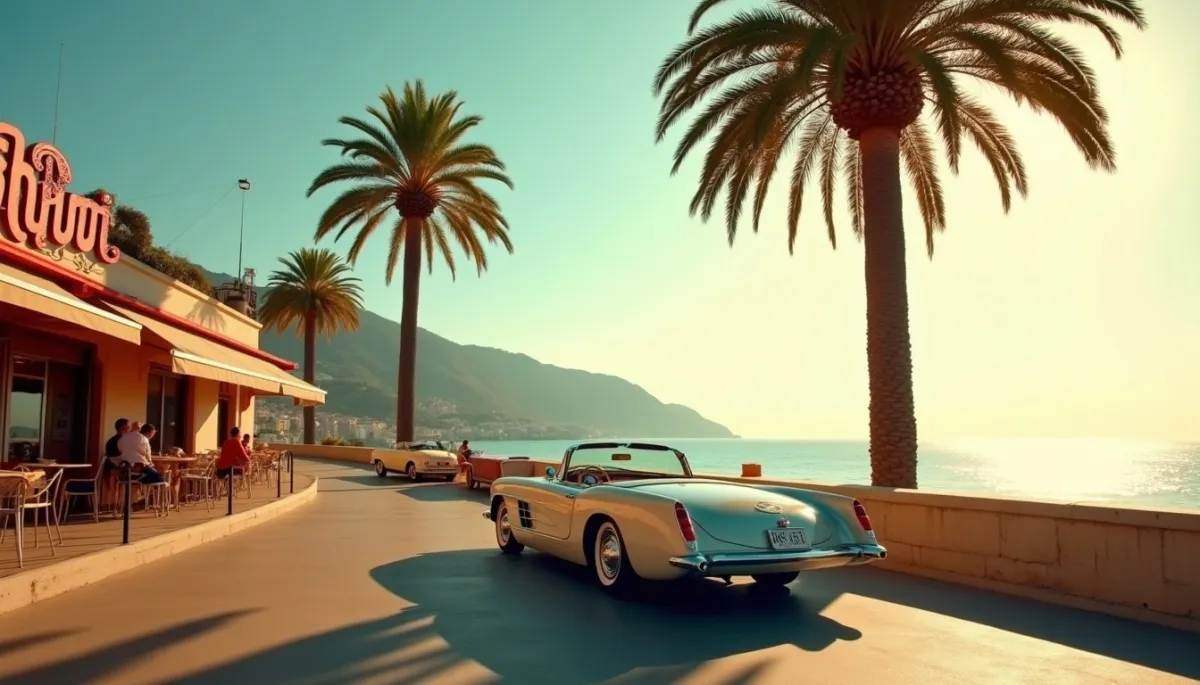
Close your eyes and feel the sun on the back of a convertible. On a spring morning in Cannes, the Promenade glows, a row of mid-century coats flutter, and someone plays vinyl by a café window.
Rêve retrouvé
The Riviera's 1960s imagery—sleek cars, pale linen, sugary cocktails—was never just fashion. It was a lifestyle broadcast worldwide by cinema and music. Films such as La Piscine (1969) and international stars like Grace Kelly, who became Princess of Monaco in 1956, turned Côte d'Azur into a global symbol of elegant leisure.
That image persists in concrete places: the Palais des Festivals in Cannes hosts red carpets that echo the film glamour of the past, the Hôtel Martinez remains a stage for festival style, and the Promenade des Anglais in Nice still attracts sun seekers in vintage sunglasses.
Tourism today channels that nostalgia. After the pandemic years, the region recorded a strong rebound in visitors seeking both authenticity and an iconic setting. The retro aesthetic provides a readable, Instagram-friendly frame for modern travel—people come to wear the look as much as to see the view.
Pourquoi maintenant
There are practical reasons for the revival. New collections from designers mix 60s cuts with sustainable fabrics, and interior designers use mid-century furniture in renovated villas to marry charm and comfort. Consumers want stories in their purchases; vintage objects carry provenance and personality.
Music is a major vector. Jazz à Juan, founded in 1960 in Juan-les-Pins, remains a summer highlight, linking past lineups—Dizzy Gillespie, Miles Davis—to contemporary acts. That continuity makes the past feel alive and relevant for younger audiences.
Local makers also fuel the movement. Ceramicists in Biot restore geometric patterns from the 60s, bakeries revive retro pastry presentations, and classic car rallies across the Alpes-Maritimes bring restored Ferraris and Citroën DS models into town squares. These tangible encounters make the era accessible, not museum-bound.
Nuances modernes
Romanticizing the past has limits. The 1960s were not without social and environmental costs. Today's interpretation is selective: we keep the aesthetics, but we adapt values. Vintage is often paired with eco-conscious choices—upcycling clothes, restoring rather than replacing furniture—so the revival becomes a tool for sustainability.
There are also tensions between authenticity and touristic spectacle. Some neighborhoods feel curated for photographs, and long-term residents sometimes see corners of daily life transformed into thematic backdrops. Local policies increasingly aim to balance preservation with community needs, for example by protecting historic facades while limiting excessive commercialization in certain districts.
For visitors who want depth beyond the postcard, practical tips help. Browse flea markets early on Sunday mornings in Antibes and Nice, ask gallery owners about provenance, and choose family-run hotels that conserve 20th-century decor. Time your trip for a festival weekend to feel the era in motion, not just on display.
Thanks for reading, and don't forget, Enjoy Life Moments!