Migratory birds of the lake: which species to watch during the great passages?
🚀 Key Takeaways
- Key concept : The Swiss Riviera is a major stopover and route for both waterfowl and passerine migrants during spring and autumn.
- Practical tip : Best months are March to May and September to November; bring binoculars and check local birding updates.
- Did you know : Changing climate and lake-level management are shifting timing and concentrations of migrants, so recent observations matter more than old calendars.
The long shorelines, sheltered bays and reedbeds along Lake Geneva create varied habitats that concentrate migrating birds. From dabbling ducks to aerial swallows, the Swiss Riviera gives a front-row seat to seasonal movements between Europe and Africa.
In this guide I list the species you are most likely to encounter during the big passages, suggest the best windows for watching them and offer practical, ethical tips so you enjoy the show without disturbing it.
When to watch the great passages
Migration on Lake Geneva comes in two main waves. Spring passage, from March to May, brings northbound migrants returning to breeding grounds. Autumn passage, from September to November, concentrates birds heading south.
The exact timing varies year to year. Mild winters and early springs can advance arrivals, while storms can create spectacular, short-lived concentrations. Check recent eBird reports and local birding group updates for day-to-day cues.
Species to look for on the water
Waterfowl are among the most noticeable migrants. Expect to see mallard and teal moving in groups, tufted duck and common pochard on open water, and frequent great crested grebe displays in deeper sections.
Large cormorants and herons transit the lake as well, while little egret has become more common in recent years. In winter and during migration you may also observe goosander and other diving ducks gathering in sheltered bays.
Raptors, terns and aerial migrants
Osprey is a charismatic passage species; watch for it fishing along the shoreline during clear days of migration. Smaller raptors such as common buzzard and peregrine may also ride thermals above the region.
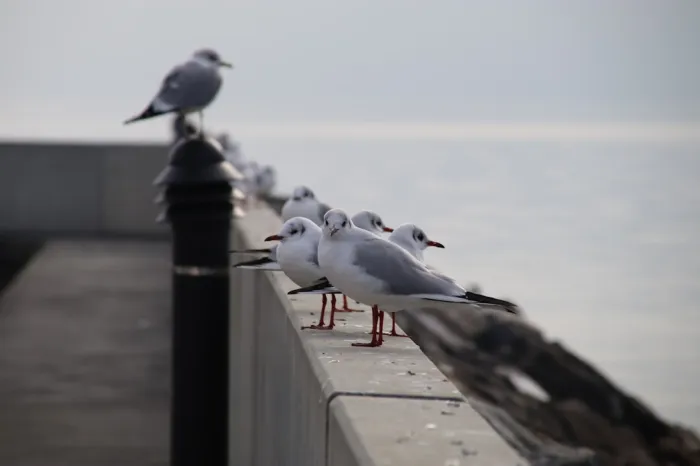
On the shore and over open water, common tern and black-headed gulls are active, and swallows and martins create swirling flocks in spring and autumn. These aerial movements are best watched at calm dusk or after a front has passed.
Where to position yourself along the Swiss Riviera
Choose spots with a mix of open water, reedbeds and elevated viewpoints. The vineyard terraces and lakeside promenades between Lausanne and Montreux offer accessible vantage points with varied backgrounds for observation.
Arrive at sunrise for the most activity, and avoid trampling vegetation. Use small car parks or public transport access points to reduce disturbance, and keep a respectful distance from roosting or feeding flocks.
How to observe responsibly
Good binoculars or a small spotting scope make all the difference. Move quietly, stay on marked paths and never approach nesting or roosting birds too closely; even small disturbances can cause energy loss during migration.
Contribute to citizen science by reporting sightings on platforms like eBird. Your observations help researchers track changes in timing and routes, a growing need as climate and land use shift migratory behaviour.
Thanks for reading, and don't forget, Enjoy Life Moments!