The writers' Riviera: a cultural route from Hemingway to Victor Hugo
🚀 Key Takeaways
- Key concept : The Swiss Riviera acted as a creative crossroads for European literature, from Romanticism to modernism.
- Practical tip : Start in Geneva (Villa Diodati), then travel by train to Lausanne, Vevey and Montreux; buy a Swiss Travel Pass for flexibility.
- Did you know : In the summer of 1816, Mary Shelley, Lord Byron and Percy Shelley gathered by Lake Geneva, and the idea of Frankenstein took shape.
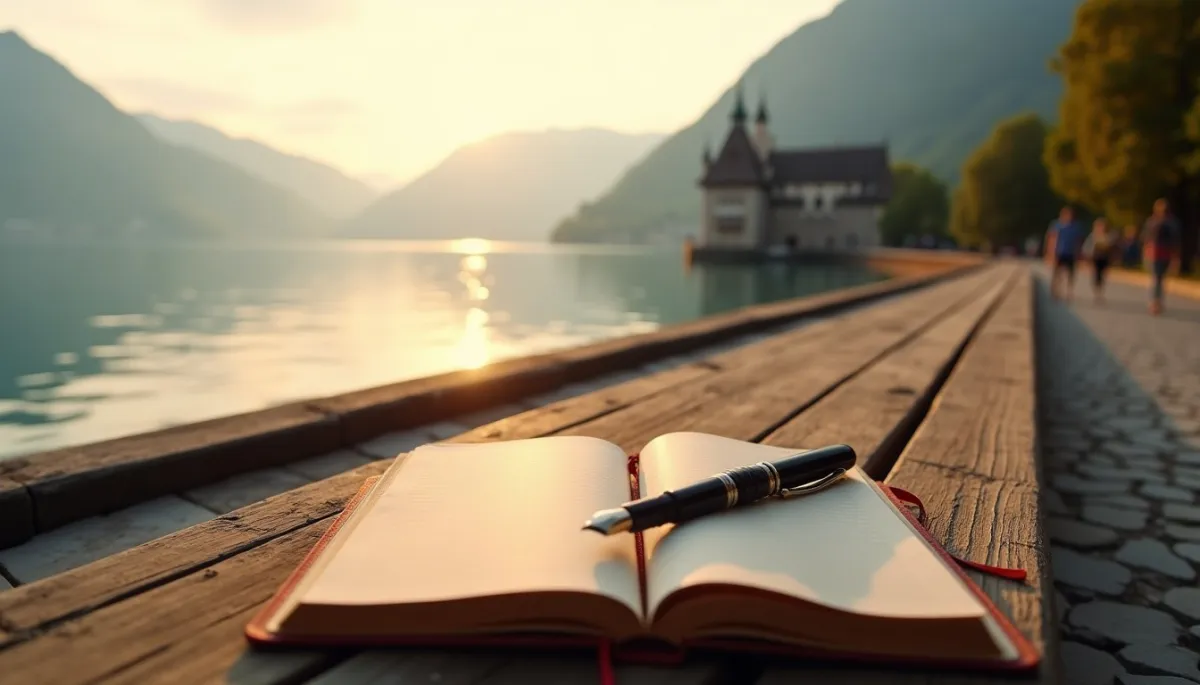
Light on the water. Imagine an open notebook on a bench, pages turning in the breeze from Lac Léman.
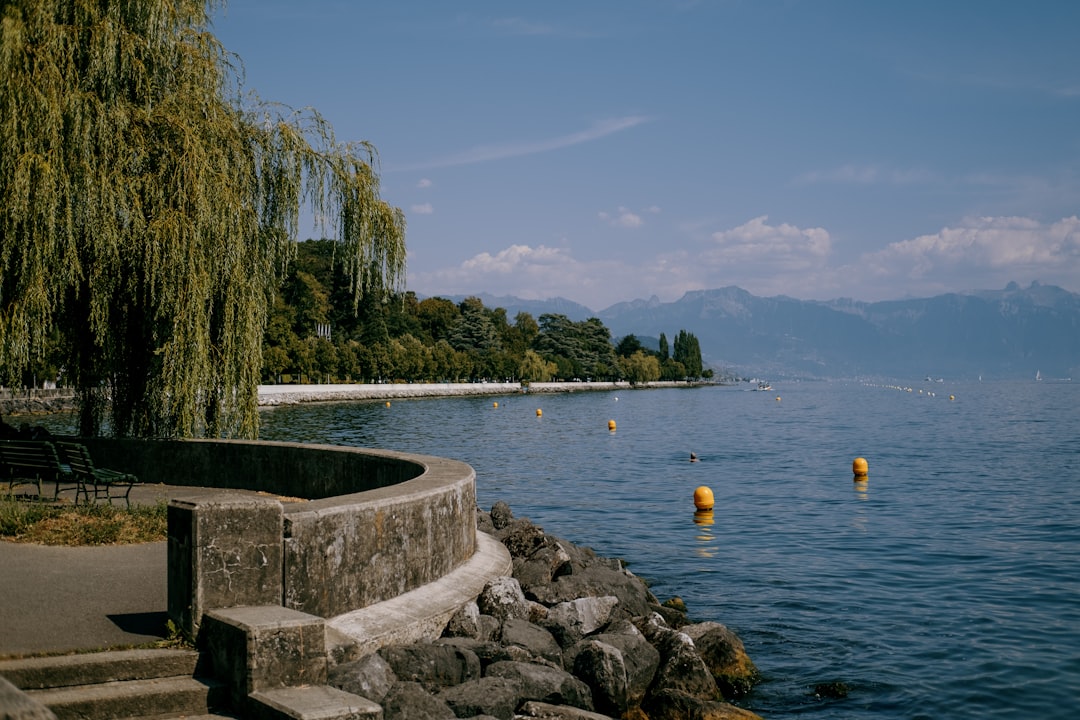
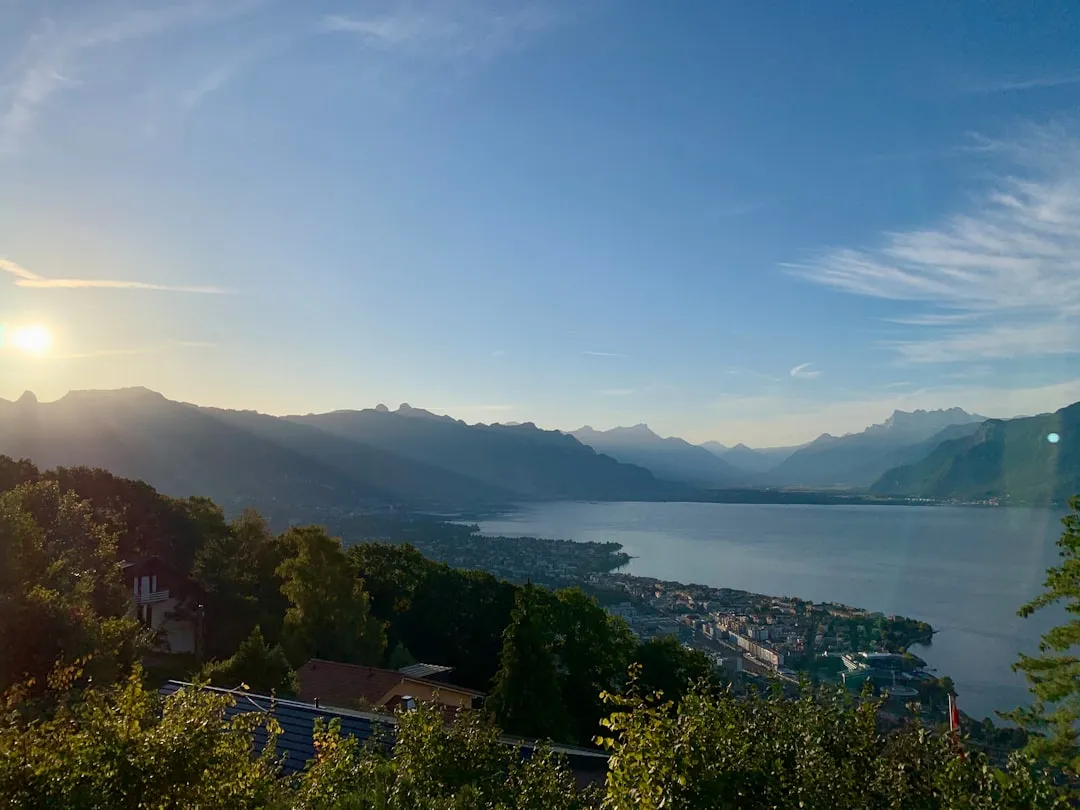
Walking the Riviera, you feel how the landscape imposes itself on the imagination. Cobbled alleys, Belle Époque hotels, and the medieval silhouette of Château de Chillon form a sequence of settings that inspired poems, tales and manifestos. The shoreline still keeps traces: plaques, houses, small museums and the occasional room preserved as it was when a writer passed through.
Sur les rives
The Riviera's most famous literary image is anchored in a single summer: 1816. At Villa Diodati, near Geneva, Lord Byron, Percy Bysshe Shelley, Mary Shelley and John Polidori met during the "Year Without a Summer." The gatherings produced Polidori's The Vampyre (1819) and planted the seed for Mary Shelley's Frankenstein (1818).
Two centuries later, Château de Chillon remains a magnet. Byron's poem The Prisoner of Chillon (1816) immortalised François Bonivard and helped turn the island fortress into a pilgrim site for Romantic readers. Visitors today still quote lines while pacing the dungeons and the lakeside ramparts.
But the Riviera was not only a backdrop for anglophone Romantics. Jean-Jacques Rousseau, born in Geneva in 1712, wrote about Lac Léman's moral and physical landscapes, and Swiss francophone authors such as Charles-Ferdinand Ramuz (born 1878 in Lausanne) rooted their modern narratives in the region's villages and mountain views.
Sources d'inspiration
The appeal is geographical and social. The lake offers a luminous palette, while the Riviera's towns—Geneva, Nyon, Lausanne, Vevey, Montreux—were crossroads where diplomats, artists and exiles met. Travel and exile are recurring motifs: politically engaged writers found here a haven, intellectually restless visitors found conversation.
Historically, the 19th century saw an influx of tourists and an improving transport network. The Simplon and later the railways made Riviera towns reachable from Paris and London. Hotels and literary salons flourished; reading aloud over tea was a social act. By the late 19th and early 20th centuries, writers could combine quiet lakeside retreats with cultural life in Lausanne and Geneva.
Contemporary authors also rediscover the Riviera. Residencies, festivals and museums (for example, the Maison de Rousseau et de la Littérature in Geneva) sustain the circuit, while bookshops in Vevey and Montreux curate local and international literature, inviting readers to trace authors' footsteps.
Entre nostalgie et renouveau
Yet the literary Riviera faces tensions. Tourism has transformed certain sites into crowded attractions, and a château that once inspired solitary reflection now hosts coach groups. The challenge is to preserve the contemplative quality that writers sought, while keeping these places accessible.
Local initiatives respond creatively. In Montreux and Vevey, guided "literary walks" recombine history and storytelling; smaller museums stage evening readings. Cultural calendars are oriented to off-peak months, encouraging visits in spring and autumn when light and tranquillity return.
Practical advice: plan a 2-4 day itinerary. Day one, Geneva and Villa Diodati (Cologny). Day two, Lausanne and the Old Town, with a stop at the Olympic Museum for context on modern mobility. Day three, Vevey and the Charlie Chaplin museum for film-literature crossovers. Finish in Montreux and Château de Chillon. Bring a notebook, and respect opening hours: some literary houses open seasonally.
The Riviera of writers is less a fixed map than a mode of attention. Whether you follow Byron's verses along the castle wall, stand where Mary Shelley imagined a creature, or sip coffee where a twentieth-century novelist revised a chapter, the lake asks you to read landscape as text.
Thanks for reading, and don't forget, Enjoy Life Moments!