Aguachile vs Ceviche: the culinary duel of Mexico's beaches
🚀 Key Takeaways
- Core concept: Aguachile is a chili-forward, Sinaloa-style shrimp dish, ceviche varies regionally and often includes fish or mixed seafood.
- Practical tip: Ask when the seafood was caught, prefer shrimp for aguachile and firm white fish for ceviche.
- Did you know: Mexican ceviche has coastal variations from Sinaloa to the Yucatán, reflecting local produce and histories.
Bright and immediate. Close your eyes, and you can almost taste lime on your tongue.
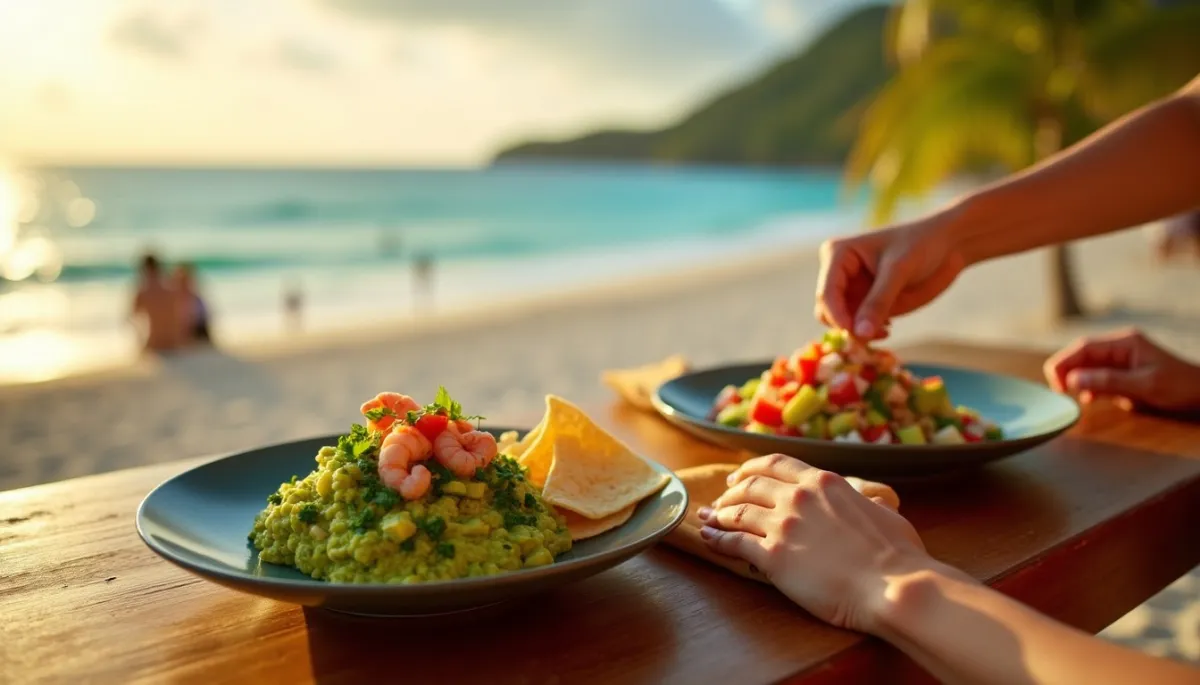
Imagine a wooden table on Playa del Carmen, a light breeze carrying salt and frying corn. On one plate, thinly sliced white fish, tomatoes and avocado in a citrus bath. On the other, shrimp bathed in a neon-green blend of serrano chili, lime and cilantro. Around you, families and chefs shout good-naturedly, waiting for the next wave of orders.
Frosted heat
Aguachile arrives like a wake-up call. Originating in Sinaloa, it rose to national fame in the late 20th century as coastal cooks paired freshly caught shrimp with copious lime and raw chilies. The shrimp are often only briefly immersed, producing a textural snap that contrasts with the liquid heat of the sauce.
In the Riviera Maya, aguachile is often adapted with local ingredients: habanero or serrano instead of Sinaloan chiles, a touch of mango or cucumber for balance. Restaurants from Cancún to Tulum showcase versions that highlight regional freshness.
When you order aguachile, expect a bright acidity and a chili-driven punch. It pairs beautifully with cold mexican beer, a light rosé, or agua fresca like horchata or jamaica to soothe the palate.
Origins in salt
Ceviche's story is older and more debated. While Peru claims a long history of ceviche, coastal Mexico developed its own iterations long before mass tourism. Mexican ceviches mix citrus, chili and local herbs, and they often include tomatoes, onions and avocado, reflecting Spanish and indigenous influences.
In the Yucatán, ceviche can adopt tropical notes: orange citrus, habanero, and snippets of coconut or achiote in more creative kitchens. Famous chefs like Enrique Olvera have spotlighted ceviche on menus, blending tradition with contemporary technique.
Practical differentiation helps: ceviche is most commonly made with firm white fish (grouper, snapper) and sometimes mixed seafood, whereas aguachile centers on shrimp and a jalapeño/serrano/habanero-forward marinade.
Shared tides
Both dishes thrive because of three realities: abundant fresh seafood, citrus availability, and a coastal culture that prizes immediacy. Riviera Maya's culinary scene, boosted by tourism since the 1990s, has elevated simple beach dishes into refined plates, while street stalls keep traditions alive.
Yet there are caveats. Citrus does not eliminate all pathogens. Pregnant people, immunocompromised diners, and cautious travelers should choose cooked alternatives or verify strict sourcing and cold storage. Ask vendors when the catch arrived, and look for busy stalls—turnover equals freshness.
For a beach crawl, try aguachile at local stands in Puerto Morelos, then compare with ceviche at a family-run restaurant in Cozumel. Savor the contrasts: the raw heat of aguachile, the layered mellow acidity of ceviche. Both tell stories of sea, migration and local taste.
Thanks for reading, and don't forget, Enjoy Life Moments!