The World Cup effect: how collective euphoria scientifically boosts our libido and relationships
🚀 Key Takeaways
- Core concept : Shared euphoria raises hormones (dopamine, oxytocin, sometimes testosterone) that enhance desire and bonding.
- Practical tip : Turn a match night into a date ritual: watch, celebrate, then plan quiet reconnection time.
- Did you know : Public squares from Buenos Aires' Obelisco to Paris' Champs-Élysées act as modern ritual sites for collective effervescence (shared emotional synchrony).
It hits like a wave.
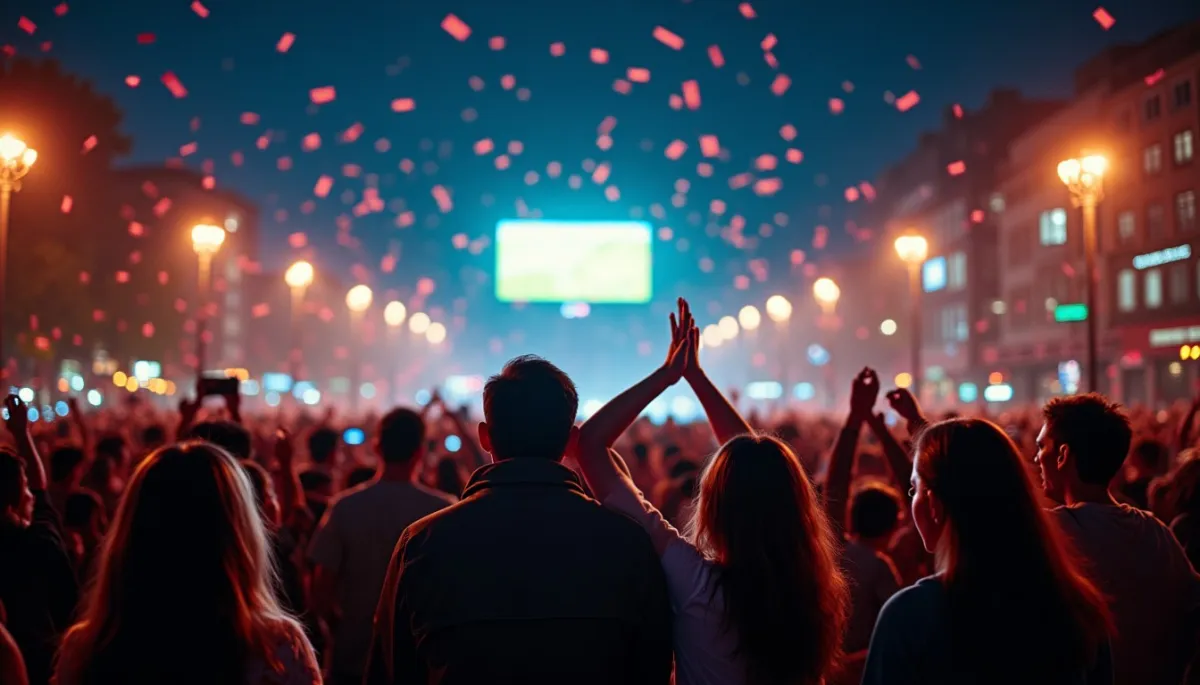
Imagine a summer night in Paris. A giant screen flashes the winning goal, strangers hug, smoke and confetti fill the air, and a dozen couples drift from shouting to kissing under streetlights. The city feels smaller and warmer at once.
shared uplift
Mass sporting events create an emotional landscape. Fans gather in stadiums, fan zones and living rooms worldwide. These shared experiences produce intense positive affect: joy, relief, pride. That surge often spills into private life, increasing flirting, dates and intimate encounters.
Historical moments illustrate this. After France's 2018 World Cup win, Champ-Élysées filled with celebrants; reports noted a spike in social outings and nightlife bookings. In Rio or Buenos Aires, similar scenes follow big victories, turning public spaces into stages for connection.
Psychologically, this is not mere celebration. Émile Durkheim's notion of collective effervescence (a shared surge of emotion that strengthens social bonds) explains why people feel closer and more open after communal events.
why bodies respond
There are clear biological pathways. Positive group arousal elevates dopamine (reward), oxytocin (bonding), and can transiently raise testosterone in winners or highly engaged fans. Lowered cortisol (stress hormone) after relief also helps libido recover.
Classic social-psychology ideas support this: the misattribution of arousal (when heightened excitement is wrongly linked to attraction) can make a thrilling match feel more romantic. Neuroscience adds that synchronous actions (chanting, clapping) increase perceived closeness and trust, making intimacy more likely.
Empirical work is growing. Several studies report small rises in conception rates following major sporting events or national victories (results vary by country). Even when data are mixed, consistent findings show improved subjective well-being and social cohesion after shared celebrations.
nuances and boundaries
However, the effect is not universal. Alcohol, overcrowding, and fatigue can turn joy into risky behavior. Celebrations can heighten impulsivity, leading to unsafe sex or regretted encounters if consent and protection are overlooked.
Cultural context matters. In some cities, public displays are embraced and well organized; in others, clashes or policing make the atmosphere tense. Personal differences (introversion, social anxiety) also shape whether someone experiences uplift or overwhelm.
Practical advice: enjoy the communal buzz, but be mindful. Set simple rituals with a partner (watch together, share a victory toast, then plan a quiet wind-down). Moderate alcohol, check in emotionally, and keep protection handy. That way, the World Cup effect can strengthen relationships rather than complicate them.
Thanks for reading, and don't forget, Enjoy Life Moments!