The art of home fermentation: a guide to living, delicious probiotics
🚀 Key Takeaways
- Concept key : Fermentation transforms food with microbes into probiotic-rich, tangy ingredients.
- Practical tip : Use 1.5 to 2% salt by weight for sauerkraut, ferment at 18-22°C, and refrigerate when taste is right.
- Did you know : The Human Microbiome Project launched in 2007 accelerated interest in fermented foods and gut health.
It smells like summer in a jar.
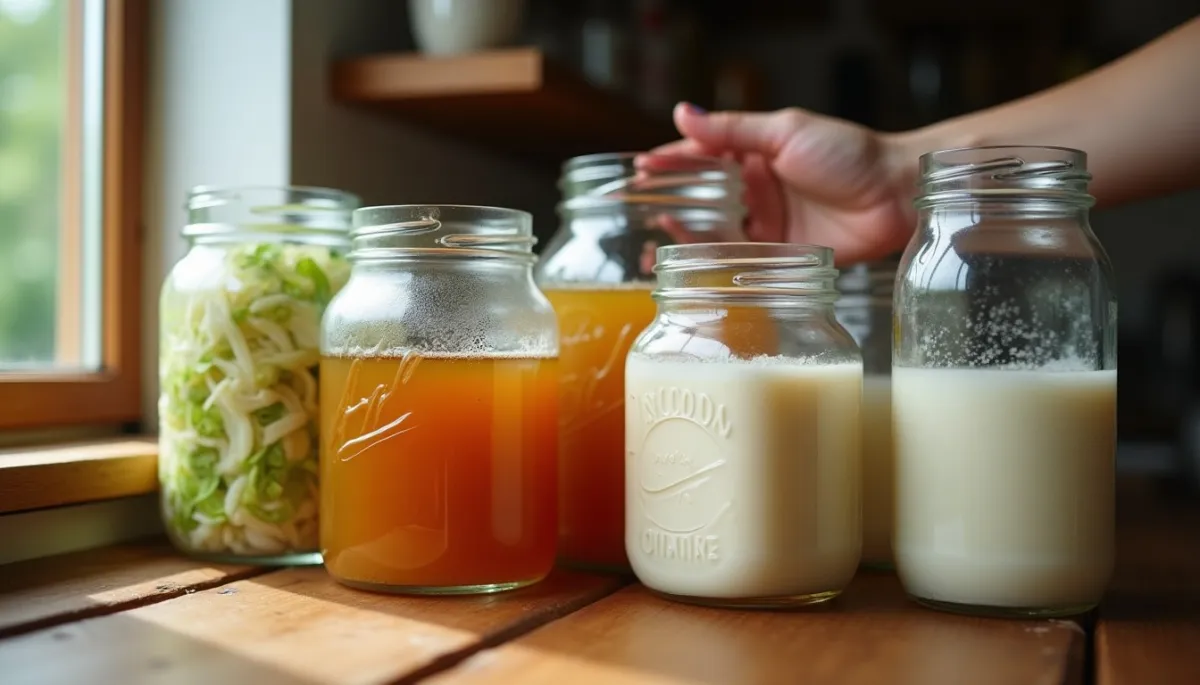
Imagine a narrow kitchen in 2026, sunlight on a wooden shelf lined with glass jars. One holds napa cabbage, salt and caraway turning into sauerkraut; another shows a pale SCOBY rising in sweet tea, faint bubbles marching to the surface. A mason jar of kefir pearls sits condensing on the rim of a bowl. The scene is ordinary, domestic and quietly transformative.
living traditions
Fermentation is not a trend invented last year. Archaeological traces of fermented beverages go back millennia, and many cultures preserved fermentation as core technique. In Korea, the communal winter practice of kimjang, the large-scale making of kimchi, was inscribed by UNESCO in 2013 as Intangible Cultural Heritage.
In the Caucasus, milk kefir has been prepared for centuries, named in local traditions as a source of vitality. In Europe, sauerkraut is documented since the Middle Ages, and in East Asia, soy fermentation created staples like miso and soy sauce over many generations.
On the contemporary side, names like Sandor Katz made fermentation visible again. His 2003 book, Wild Fermentation, inspired thousands of home fermenters, while high-end restaurants such as Noma popularized fermentation labs in the 2010s, pushing culinary creativity.
microbes and results
At its core, fermentation is controlled microbial action. Lactic acid bacteria, yeasts and acetic bacteria convert sugars into acids, gases and flavorful compounds. These biochemical changes preserve food and create textures and aromas that raw ingredients do not possess.
From a health perspective, fermented foods can deliver live microorganisms that interact with the gut ecosystem. While the term probiotic has a technical definition — live microorganisms which, when administered in adequate amounts, confer a health benefit — many fermented foods contain beneficial strains or metabolites that support digestion and culinary diversity.
Scientific attention rose after initiatives such as the Human Microbiome Project in 2007. Since then, research into how diet and microbes influence immunity and metabolism has intensified, but many studies still vary in strain, dose and outcomes, so foods are complementary, not miracle cures.
simple techniques
Practical fermentation is about attention, not expensive gear. For sauerkraut, shred cabbage, mix with 1.5 to 2% salt by weight, pack tightly to expel air and keep submerged in its brine. Ferment at about 18-22°C for 1 to 4 weeks depending on taste.
Kefir uses grains (symbiotic cultures of bacteria and yeasts) in milk for 24 to 48 hours at room temperature. Kombucha needs brewed sweet tea and a SCOBY, with primary fermentation of 7 to 14 days, then optional flavoring and a second ferment for carbonation.
Small practical rules increase success: use glass or food-grade ceramic, avoid prolonged contact of brine with reactive metals, weigh ingredients for reliable salt ratios, and label jars with dates. If you see fuzzy mold, bright pink or black discoloration, discard the batch and start over.
why now
Several forces explain the recent boom in home fermentation. First, consumers seek flavor diversity and desire control over food sources. Second, the pandemic years increased home cooking and interest in immune-supportive habits. Third, accessible information, books and online communities democratized techniques.
Culturally, fermentation sits at the crossroads of sustainability and zero waste. Leftovers can become new dishes, vegetables can store longer, and fermenting reduces food waste by valorizing imperfect produce.
Economically, small producers and urban micro-farms use fermentation to add value. Fermented condiments have found their way into farmers markets and specialty stores, showing that craft meets commerce when flavor and story align.
risks and nuance
Fermentation is safe when basic practices are followed, but it is not risk-free. Botulism risk is often overstated for high-acid fermentations, but low-acid or oil-based ferments require caution. The general safety rule is to ensure sufficient acidity (pH below 4.6), cleanliness, and correct salinity or sugar levels.
Also, not all fermented foods contain live probiotics after processing. Pasteurized sauerkraut or store kombucha heated for shelf stability may have fewer live microbes. To maximize living cultures, eat raw, unpasteurized products and refrigerate after fermentation.
Finally, individual responses vary. People with weakened immune systems or specific medical conditions should consult a healthcare professional before dramatically increasing fermented food intake. Moderation and diversity remain the best approach.
Thanks for reading, and don't forget, Enjoy Life Moments!