Starred gastronomy and organic kitchen gardens: the Riviera's new revolution
🚀 Key Takeaways
- Core idea : Top restaurants on the Riviera increasingly grow organic produce on site for fresher, traceable cuisine.
- Practical tip : Reserve Mirazur or a garden-tour tasting well in advance and visit Cours Saleya market in Nice to taste local seasonality.
- Did you know : Michelin introduced the Green Star in 2020 to recognize sustainable gastronomy, accelerating on-site garden projects.
Sunlight tastes different on a plate.
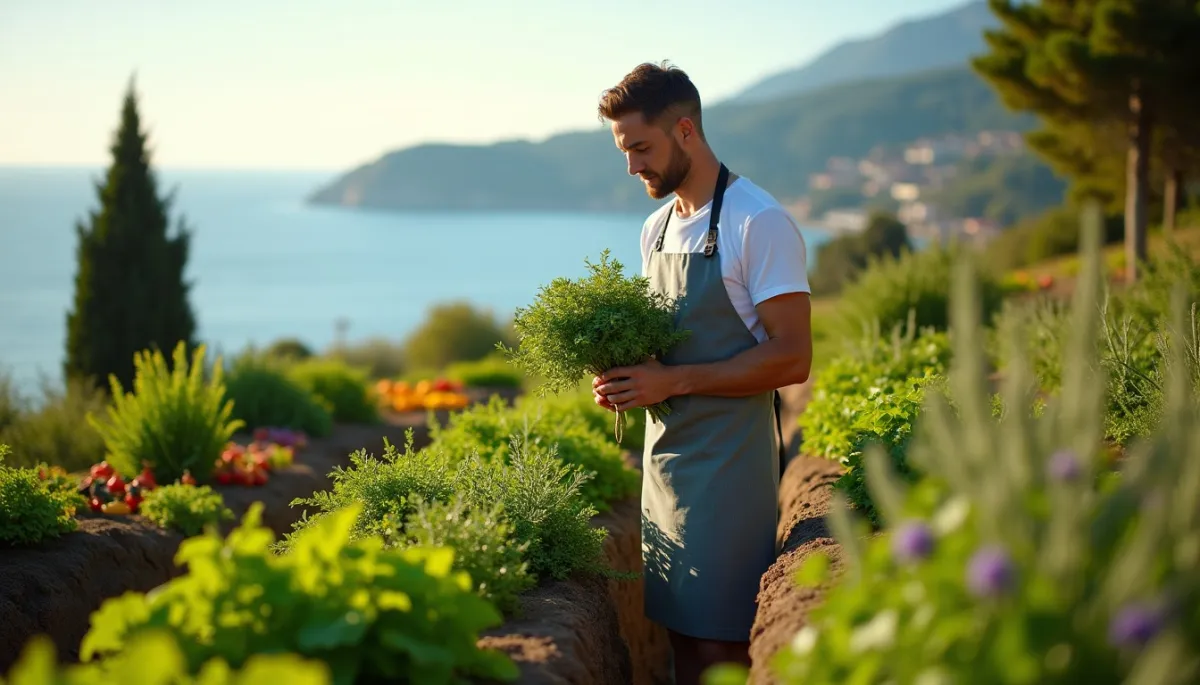
Imagine a morning in Menton, dew on lemon trees, a chef picking basil and sea samphire while the Mediterranean glitters a few dozen metres away. Pots of tomatoes, beds of lettuces and aromatic herbs line terraced gardens, and a commis walks from soil to stove with a cloche in hand. This is not a postcard, but part of the service at several starred tables along the Riviera.
Terroir retrouvé
The visible result is simple and striking: more Michelin-starred and haute cuisine kitchens now rely on potagers bio. Mirazur in Menton, under Mauro Colagreco, became emblematic after its rise to three Michelin stars and #1 in The World’s 50 Best Restaurants in 2019, by integrating extensive gardens into its identity. Around it, other chefs have followed, planting terraces, rooftop plots and greenhouse beds.
Beyond Mirazur, hotels and smaller bistros along the Côte d'Azur—from Nice to Cannes—have launched organic kitchen gardens in the 2010s and intensified them after 2020. These gardens feed tasting menus, inspire daily specials, and reduce dependence on long supply chains by offering immediate access to peak-fresh produce.
For diners this means a new kind of luxury: dishes that tell a place-based story. A tasting menu can now be read as a map, where each course names a plot, a local farm, or a market stall. The visual and gustatory link between terrace and table becomes part of the experience.
Racines du changement
Why this shift? First, consumers are asking for transparency. Guests want to know where their food comes from, how it was grown, and whether it respects biodiversity. The concept of "circuit court" (short supply chain) has moved from niche to mainstream, influencing menus and purchasing choices.
Second, chefs pursue creative freedom. Growing their own microgreens, edible flowers, and rare varieties allows culinary teams to craft unique flavour profiles not available through wholesalers. This creative control supports experimentation and seasonality, essential elements for modern haute cuisine.
Third, external shocks accelerated the trend. The 2020 pandemic highlighted the fragility of international supply chains, prompting restaurateurs to secure resilience by producing on site. Simultaneously, Michelin's 2020 introduction of the Green Star validated sustainability as a professional, rewarded objective.
Savoirs en mouvement
But the revolution is not without constraints. Organic certification takes time and funds. Urban plots are limited in size, and growing for a service that demands consistency and perfection requires agronomic knowledge most kitchens do not possess. Many chefs now collaborate with agronomists, botanists and local farmers to professionalise their potagers.
Seasonality also forces menus to adapt. Haute cuisine has had to relearn patience: some signature plates evolve over the year, while preserved techniques (pickling, lacto-fermentation, confits) extend the garden's reach into off-seasons. For diners, this is an invitation to return at different times of year to discover variations.
Looking ahead, the Riviera mixes tradition and innovation. Expect more rooftop greenhouses, solar-powered irrigation, and community workshops where chefs teach cultivation techniques. For visitors: join a garden tour, taste a chef's "zero-km" menu, and bring back a story. Ask about the plot that fed your course, visit Forville market in Cannes or Cours Saleya in Nice, and you will see how soil and sea are rewriting luxury.
Thanks for reading, and don't forget, Enjoy Life Moments!