Vallauris ceramics: a craft reborn
🚀 Key Takeaways
- Key concept : Vallauris blends a strong ceramic heritage with contemporary makers.
- Practical tip : Book a half-day workshop or visit Madoura and Musée Magnelli to see historic and modern pieces.
- Did you know : Picasso began working with ceramics at Madoura in 1947, helping put Vallauris on the artistic map.
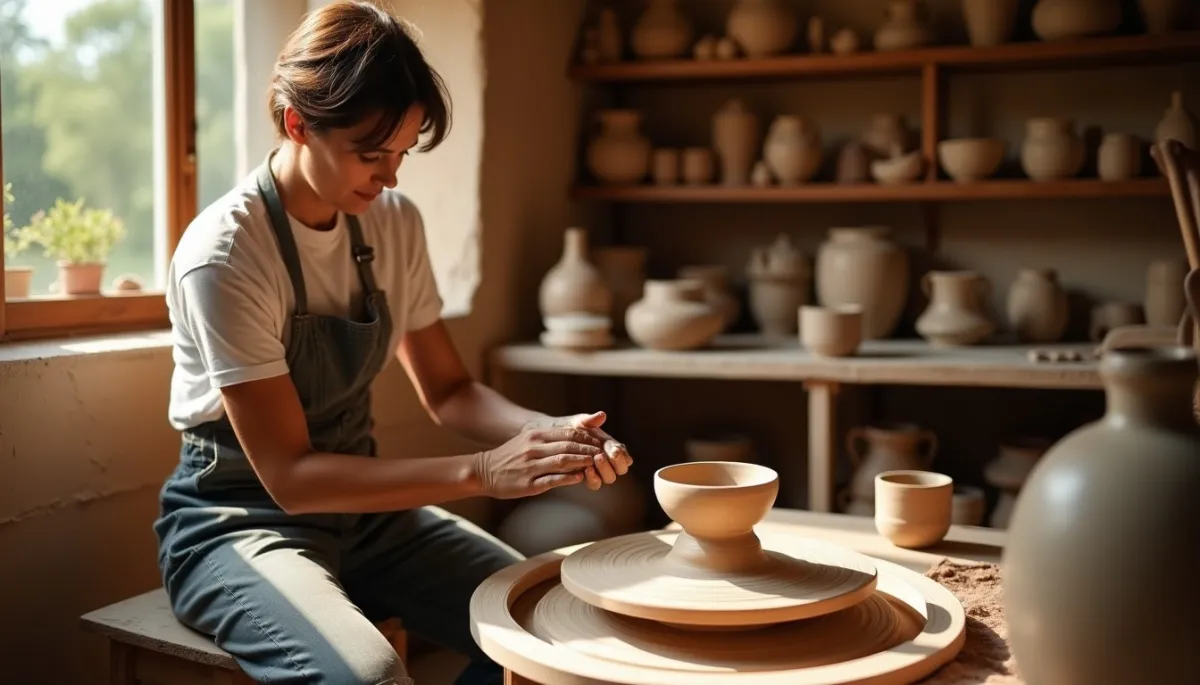
A wheel turns, softly, under warm Provençal light. Steaming clay smells faintly of sea and sun as a young potter lifts a bowl from the wheel.
Argile et lumière
Vallauris has always been a place where earth meets light. On the Côte d'Azur, the town's shallow clay beds and sunny, temperate climate created perfect conditions for ceramic workshops throughout the 20th century.
The most famous chapter began in the late 1940s, when Pablo Picasso began experimenting with ceramics at the Madoura pottery. From 1947 he collaborated with Georges and Suzanne Ramié, producing plates, pitchers and playful sculptures that reached collectors worldwide and transformed Vallauris into an artistic landmark.
That legacy left concrete traces: stamped Madoura pieces, the Musée Magnelli's important ceramic collection, and streets where kilns and workshops still punctuate the urban fabric. Today, that visible lineage attracts tourists, collectors and students eager to see where modern ceramics met modern art.
Héritage vivant
Beyond nostalgia, pottery in Vallauris has practical consequences for the local economy and cultural life. Galleries and small shops sell studio ceramics alongside vintage Madoura pieces, while markets and ateliers open their doors during the annual Journées Européennes des Métiers d'Art in April.
New residents, young creators and designers have made ceramics a vehicle for contemporary design. You will find functional tableware, sculptural pieces and limited-edition runs that blend traditional throwing techniques with modern glazes and graphic motifs.
Public institutions and the mairie support this ecosystem with exhibitions, residency programmes and technical training. That institutional backing helps sustain apprenticeships and keeps firing skills, glaze recipes and mould-making knowledge alive.
Regards neufs
Why this renewed interest now? Several factors converge: a worldwide appetite for handmade goods, a local desire to preserve craft know-how, and the visibility given by social media, which turns a studio moment into international interest overnight.
Post-pandemic travel trends played a role too. Visitors now seek authentic experiences: courses where you can throw your first pot, studio visits that include demos, and personalised souvenirs made on site. Vallauris answers that demand with approachable workshops, from two-hour taster sessions to week-long residencies.
Contemporary potters also explore sustainability, using local clay, low-energy kilns when possible, and glazes made from natural minerals. This ethical layer appeals to buyers who value provenance as well as aesthetics.
Entre tradition et avenir
Still, the revival faces tensions. Market pressures can push makers toward small-batch, easily sellable objects rather than experimental work. Balancing craft as livelihood and craft as art requires careful choices by artisans and municipal planners.
Authenticity can be diluted by tourist demand; mass-produced souvenirs sometimes pass as studio pottery. To protect buyers and creators, look for marks and provenance: Madoura stamps on Picasso pieces are one example, and many contemporary studios sign and date their work.
Looking forward, the challenge is to keep technical knowledge transferable. Workshops, apprenticeships and school partnerships are crucial. If the next generation learns both wheel-throwing and kiln management, Vallauris will remain a living centre of ceramic innovation.
Practical advice: visit the Madoura studio (check opening hours), reserve a hands-on session with a local potter, and allow time for Musée Magnelli to understand the historical dialogue between modern art and ceramics. For collectors, ask for provenance and studio stamps; for visitors, wear clothes you don't mind getting a little dusty.
Vallauris today is a lesson in how heritage can be reimagined. Clay keeps its memory, and makers keep spinning it into new forms.
Thanks for reading, and don't forget, Enjoy Life Moments!