The future of the French Riviera
🚀 Key Takeaways
- Core idea : The Riviera reinvents itself through resilience, sustainable luxury and year-round tourism.
- Practical tip : Favor trains and off-season visits; discover islands like Îles de Lérins early morning.
- Did you know : Sophia Antipolis, created in 1969, remains the region's tech heart and a driver of green startups.
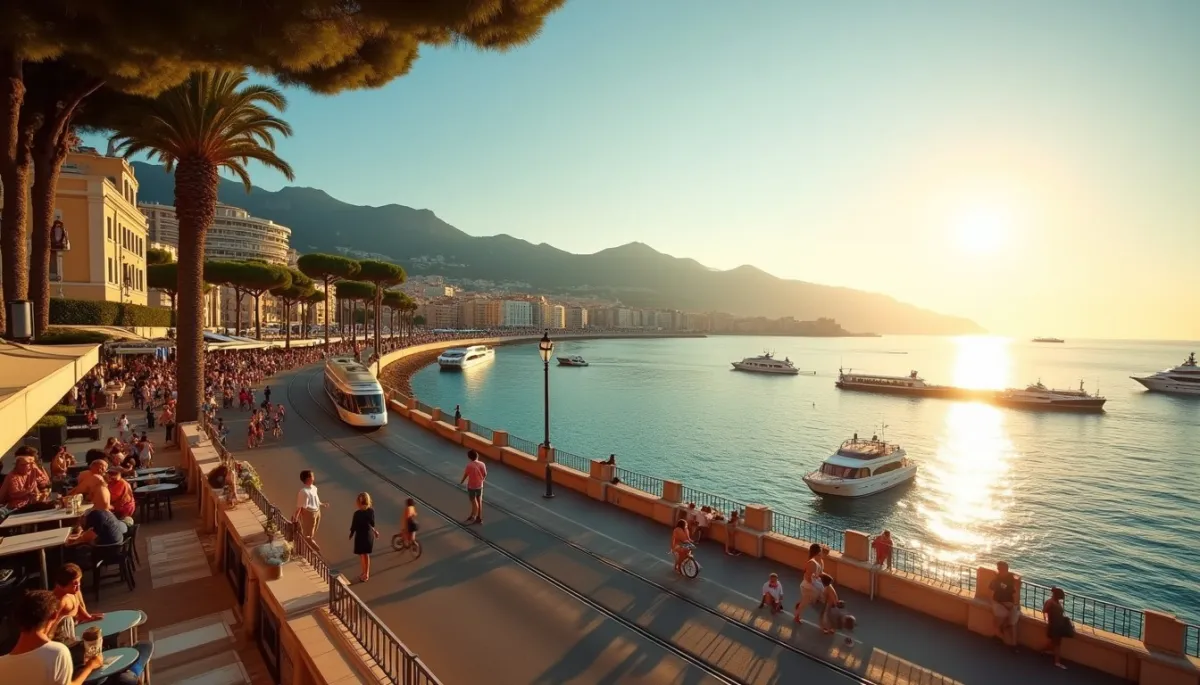
Bright, salty air and the hum of a tram: morning in Nice feels both timeless and new.
Seaside terraces fill with locals discussing new flood defenses, while cranes dot the skyline where old warehouses are being converted into co-working and cultural spaces. This visible transformation is the first consequence of a Riviera that refuses to be only a postcard.
April-May 2026: visible consequences along the coast
The most immediate impact is physical. Promenade works, reinforced seawalls and redesigned marinas alter familiar panoramas. In Nice, adaptation measures around the Promenade des Anglais and upgraded drainage systems aim to limit the damage from increasingly violent storms. Cannes and Antibes have seen similar coastal works and regulation of beachfront concessions.
Economic consequences are also tangible. Hotels and palaces from Menton to Saint-Jean-Cap-Ferrat are rebranding with eco-labels, offering low-season packages to smooth demand over the year. At the same time, property prices continue to rise in coveted spots, changing the social fabric of small towns like Villefranche-sur-Mer.
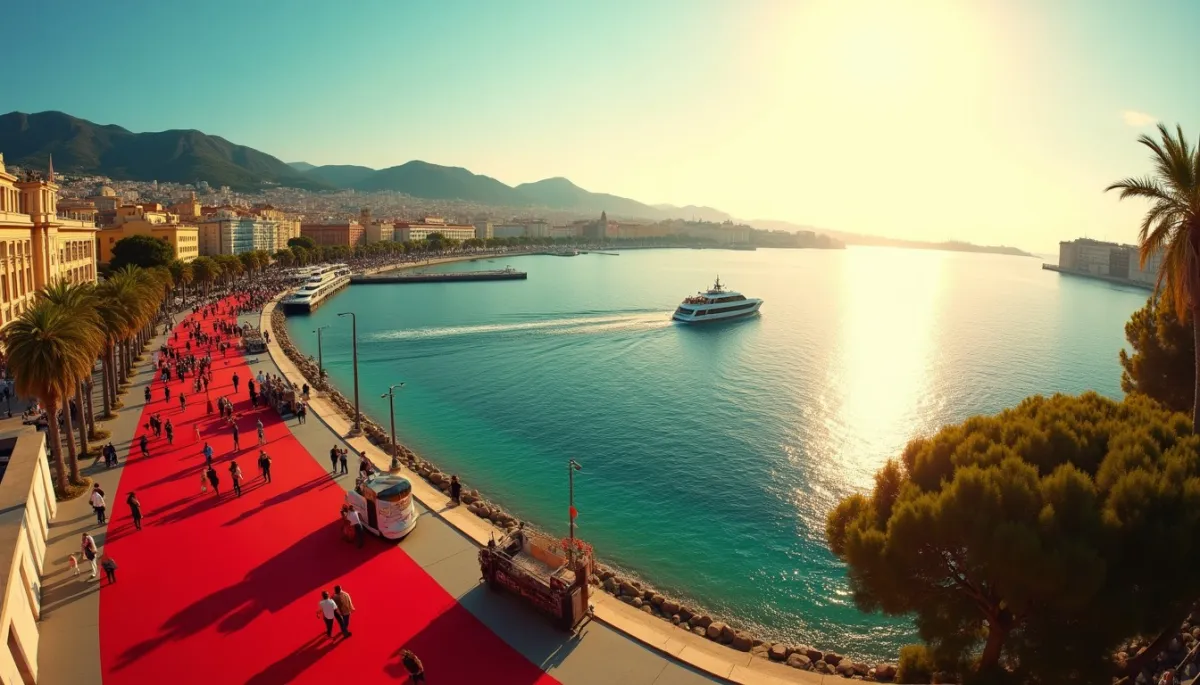
Cultural life adapts too. Festivals that once peaked in July now extend into spring and autumn. The Cannes Film Festival remains a central moment, but parallel events, residencies and conferences spread activity across the year, supporting local artisans, restaurants and the creative economy.
June-July 2026: why these initiatives accelerate
Climate is the primary driver. Rising sea levels and more frequent storms force local authorities and private actors to act. National incentives and EU funding for resilience projects make costly interventions possible. The region's visibility makes it a testing ground for coastal adaptation techniques.
Economic reasons push change as well. The Riviera depends on tourism and real estate; diversifying income streams is now essential. Tech clusters around Sophia Antipolis inject startups focused on energy efficiency, mobility and circular economy solutions. Luxury clients increasingly demand green credentials, which reshapes hospitality offers.
Social motivations matter. Citizens and associations press for more affordable housing, better public transport and protection of natural spaces. New labels and certifications (eco-hotel, low-carbon event) are more than marketing; they are responses to consumer expectations and regulatory pressure.
August-September 2026: contradictions, challenges and what comes next
Tensions are clear. Reinforcing the shore can protect property but may disturb marine habitats and alter sediment flows. Marina extensions and luxury developments risk accelerating gentrification, pushing workers farther from their jobs and making seasonal labour shortages worse.
Transport remains a major challenge. The coastal TER (regional train) is essential but needs upgrades to become a real alternative to cars. Cycling lanes, electric shuttles and better connections to hinterland towns are on plans, but funding and coordination between municipalities are uneven.
Yet opportunities abound. Renewable projects (solar on rooftops, experiments with floating photovoltaics), hydrogen mobility pilots and local food circuits can reconcile prosperity with preservation. Grassroots initiatives, from Posidonia meadow protection to community-led tourist quotas in small coves, show that policy and citizen action can combine effectively.
Practical advice for visitors: come in April-May or October, use train and tram, book local guides for hidden coves, and respect protected zones (seagrass meadows are fragile). An insider's tip: early-morning crossings to Îles de Lérins reveal clear waters and seabeds rarely seen in high season.
In short, the French Riviera's future will be a balance between heritage and innovation, between sun-seeking visitors and a stronger commitment to liveability. The coming years will decide whether the coast keeps its magic while becoming more resilient.
Thanks for reading, and don't forget, Enjoy Life Moments!