The true cost of luxury: are Tulum hotels really ecological?

🚀 Key Takeaways
- Key concept: Many hotels market themselves as eco, but approaches vary from genuine regeneration to greenwashing (misleading eco-claims).
- Practical tip: Ask about wastewater treatment and local hiring before booking; prefer places with on-site systems and community programs.
- Did you know: Nearby Sian Ka'an is a UNESCO biosphere reserve, highlighting the region's ecological importance.
Soft sand underfoot, a cool breeze scented with sea salt and copal. A concierge offers a welcome talk about 'sustainability' while a delivery truck pulls up behind the palms.
luxury in bloom
Tulum's image as an eco-luxury haven dates to the 2010s, when boutique hotels multiplied along the beach strip. Instagram helped: sun-drenched villas, hammocks and locally made ceramics became a global template.
The economic consequence was rapid growth. Small beach hamlets turned into a hotbed for international travelers and investors, generating jobs, but also pushing land prices and construction along fragile coastal dunes.
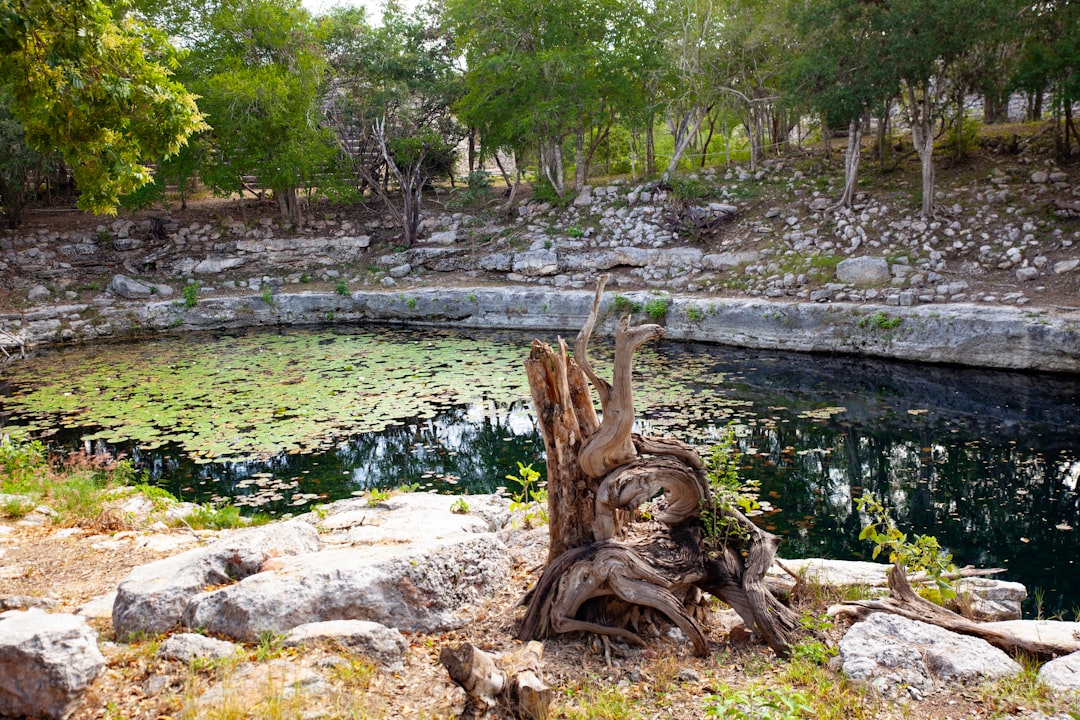
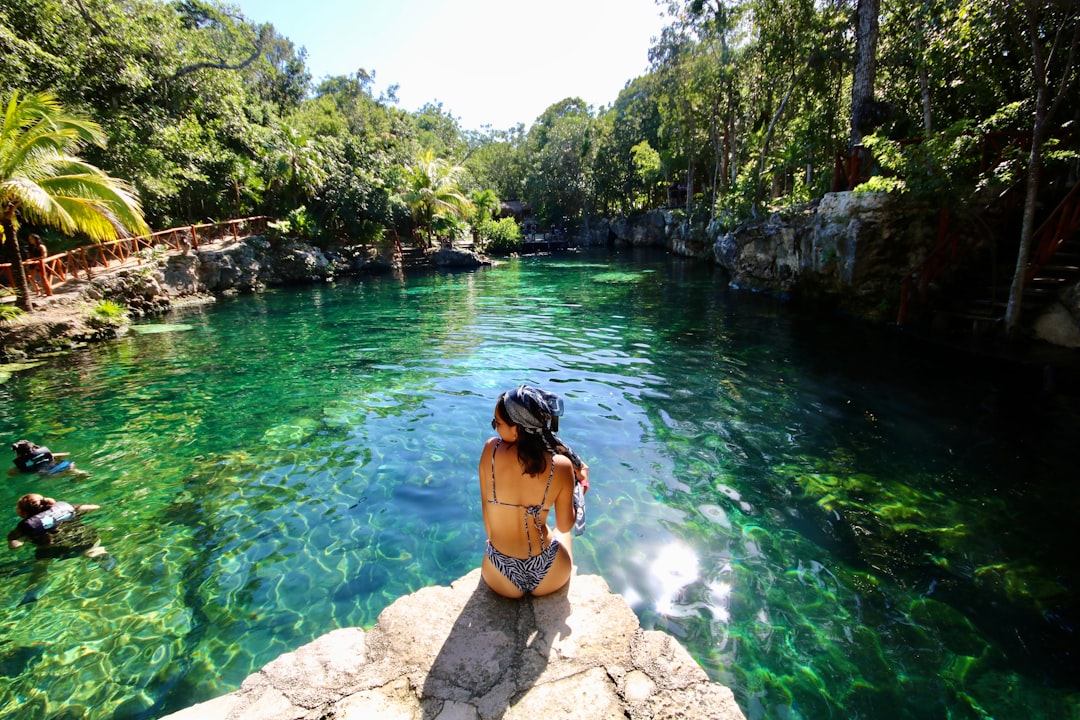
At the same time, pressure on local resources increased. Freshwater, cenotes (natural sinkholes) and nearshore reefs began to show stress from greater wastewater loads and unregulated septic systems.
roots of the promise
Why the 'eco' label proliferates? Designers and hoteliers lean into local materials, palapa roofs, and minimal concrete to sell an authentic, low-impact image. Some investments are genuine: on-site solar panels, reforestation, and advanced wastewater treatment.
Global travelers also changed expectations. Since the late 2010s, a growing share of guests seek meaning and nature, rewarding properties that display sustainability credentials on booking platforms.
There are notable success stories. Historic houses like Casa Malca were renovated into boutique hotels that combine art collections with conservation messaging, and some camps invest in mangrove restoration or fund local education.
shadows on the sand
However, not all that is labeled 'eco' stands up to scrutiny. Greenwashing (claiming environmental benefits without measurable action) is common. A hotel may showcase recycled decor while discharging poorly treated effluent into the ground.
Scientific observations and local reports have linked nutrient-rich runoff to algal blooms and coral stress in the Mesoamerican Reef system. NGOs and community groups have repeatedly warned since the 2010s about insufficient wastewater infrastructure.
For travelers who care, the practical approach is simple. Ask direct questions about water treatment, energy sources, and community labor. Prefer certifications, transparent reports, and hotels that visibly support local suppliers and conservation projects.
Choosing where to stay is also an act. Supporting properties that invest in long-term restoration helps preserve cenotes, mangroves and reefs for future visitors and for the communities that live here.
Thanks for reading, and don't forget, Enjoy Life Moments!