Do Mayans Still Live in the Riviera Maya?
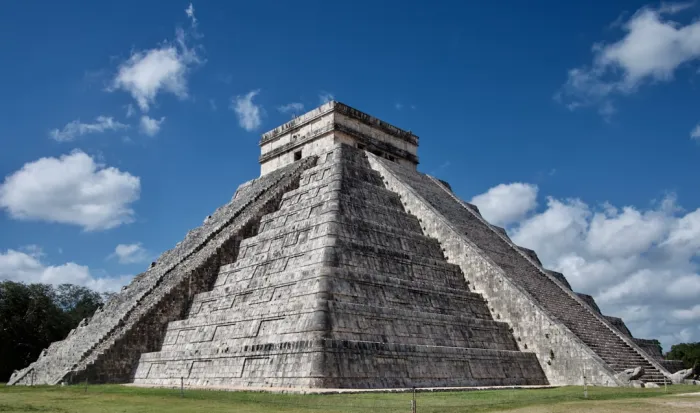
The Riviera Maya — stretching from Puerto Morelos to Tulum and beyond — is often pictured as white-sand beaches, cenotes and ancient ruins. Beneath that tourist image, living Maya communities continue to maintain language, rituals and family structures while navigating modern pressures.
This article explains where Maya communities live in the Riviera Maya in 2026, what daily life looks like, how tourism and development affect traditions, and how visitors can engage respectfully and learn authentically.
Who are the Maya today?
The Maya are not a single monolithic group but a collection of peoples who share historical roots, linguistic families and cultural traditions across the Yucatán Peninsula and parts of Central America. Modern Maya communities have adapted centuries-old practices while integrating contemporary lifestyles — farming, crafts, urban jobs and service-sector work are all part of the mosaic.
For reliable background on Maya history and cultural continuity, authoritative resources like National Geographic and the Maya peoples' entry on Wikipedia offer useful overviews. These sources show the long arc from classic civilizations to present-day communities.
Where do Maya live in the Riviera Maya?
In the Riviera Maya, Maya communities live in coastal towns, municipal seats, and inland villages. While many Maya families have moved to cities for work, there are still pockets of predominantly Maya-speaking communities near places such as Felipe Carrillo Puerto, Valladolid, and smaller ejidos (communal lands) that dot the region.
Visitors can also encounter Maya people working in tourism hubs—restaurants, guide services, artisan markets and cultural centers—where they often balance cultural presentation with economic need. TripAdvisor and local tourism guides can be helpful to find respectful tours and community-run experiences; search for community-based tours rather than large commercial operators for more authentic contact (TripAdvisor).
Language, rituals and daily life
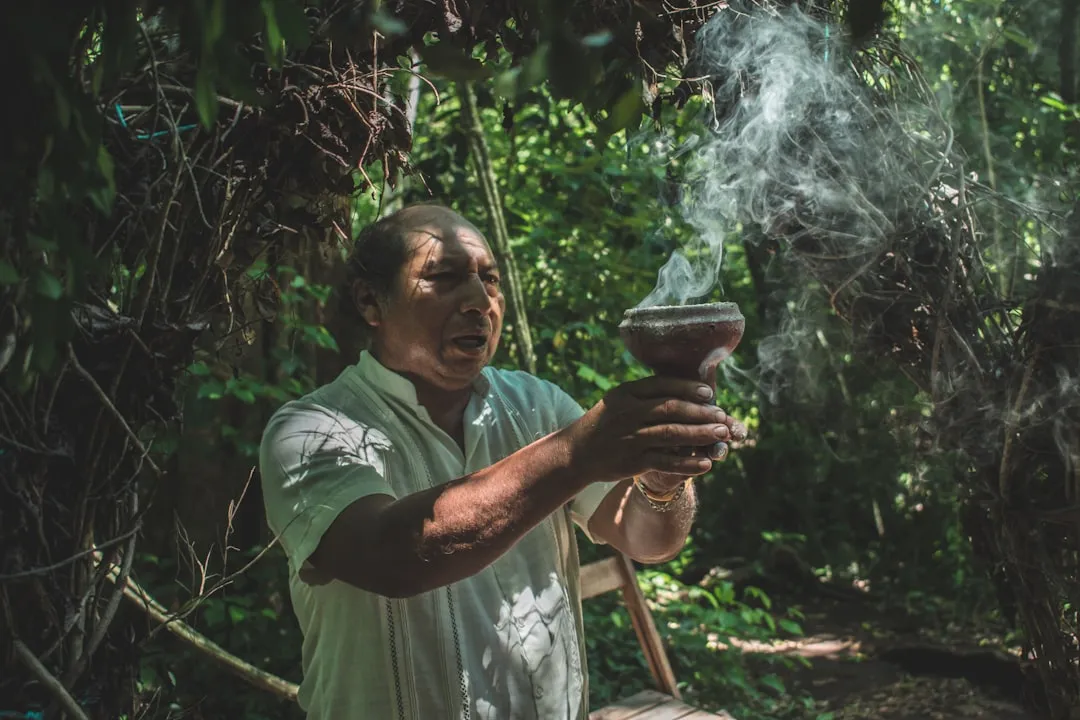
Many Maya in the Riviera Maya speak Yucatec Maya as well as Spanish; younger generations increasingly use Spanish and bilingual skills are common. Language use varies by family, schooling, and whether a community is more isolated or urbanized. Traditional rituals tied to the agricultural calendar, rites of passage, and ancestor veneration persist alongside Catholic and evangelical practices.
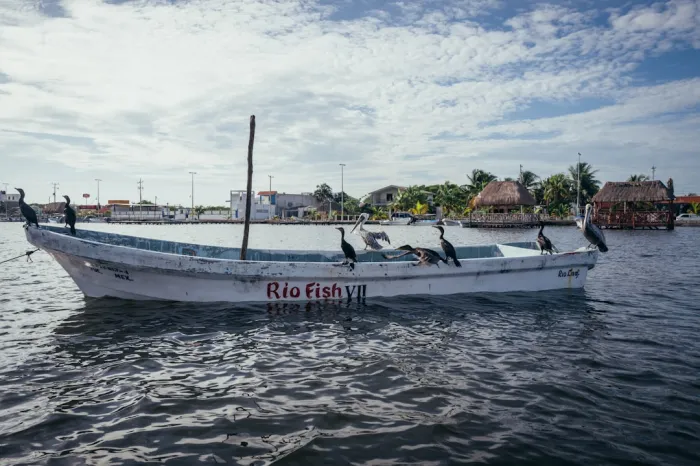
Daily life blends traditional activities — small-scale milpa farming, fishing in coastal areas, and artisan crafts like weaving and woodworking — with modern jobs in hotels, construction, and services. Foodways remain a strong cultural anchor: dishes like cochinita pibil, tamales, and regional tortillas showcase Maya culinary continuity, even in restaurants catering to tourists.
Tourism, development and cultural resilience
Since the tourism boom of the late 20th and early 21st centuries, the Riviera Maya has seen rapid development: resorts, condos, and infrastructure projects have transformed coastal landscapes. These changes bring livelihoods but also challenges such as land pressure, resource strain, and cultural commodification.
Yet Maya communities have shown resilience. Local cooperatives, cultural centers and social movements advocate for land rights, environmental protections, and cultural preservation. Many Maya leaders work with NGOs and academics to document language and traditions while negotiating fair tourism benefits for their communities.
How travelers can respect Maya communities
Responsible travel means more than sightseeing. If you want to support Maya communities, choose local guides and community-run tours, buy directly from artisans, and ask permission before photographing people in rural villages. Seek experiences that pay fair wages and contribute to cultural preservation rather than one-off entertainment.
Learn a few words in Yucatec Maya as a sign of respect, and educate yourself about local customs. Small acts — listening, buying authentic crafts, tipping fairly — help ensure tourism supports cultural survival rather than erasure.
Practical tips for visitors in 2026
When visiting the Riviera Maya today, prioritize sustainable options: eco-certified lodges, community-based tourism, and guided visits to archaeological sites that employ local Maya guides. Many municipalities now require permits for tours in sensitive areas, so book through vetted operators.
Respect protected sites and cenotes, avoid single-use plastics, and support businesses that invest in the local workforce. For updated visitor info and site conservation guidelines, check municipal sites and official tourism pages before you go.
Whether you come for the beaches, the ruins or the chance to learn, remember that the Riviera Maya is also homeland to living Maya communities. With curiosity and respect, your visit can be a meaningful exchange rather than just a snapshot.
Thanks for reading, and don't forget, Enjoy Life Moments!