Sunrise paddleboarding: active meditation on Caribbean turquoise waters
🚀 Key Takeaways
- Core concept: Sunrise paddleboarding (SUP) blends physical balance with focused awareness to create a form of active meditation on calm Caribbean waters.
- Practical tip: Choose a calm bay like Akumal or Puerto Morelos, use a stable all-around board, and apply reef-safe sunscreen.
- Did you know: Many operators combine sunrise SUP with sea turtle watching and support local marine conservation efforts.
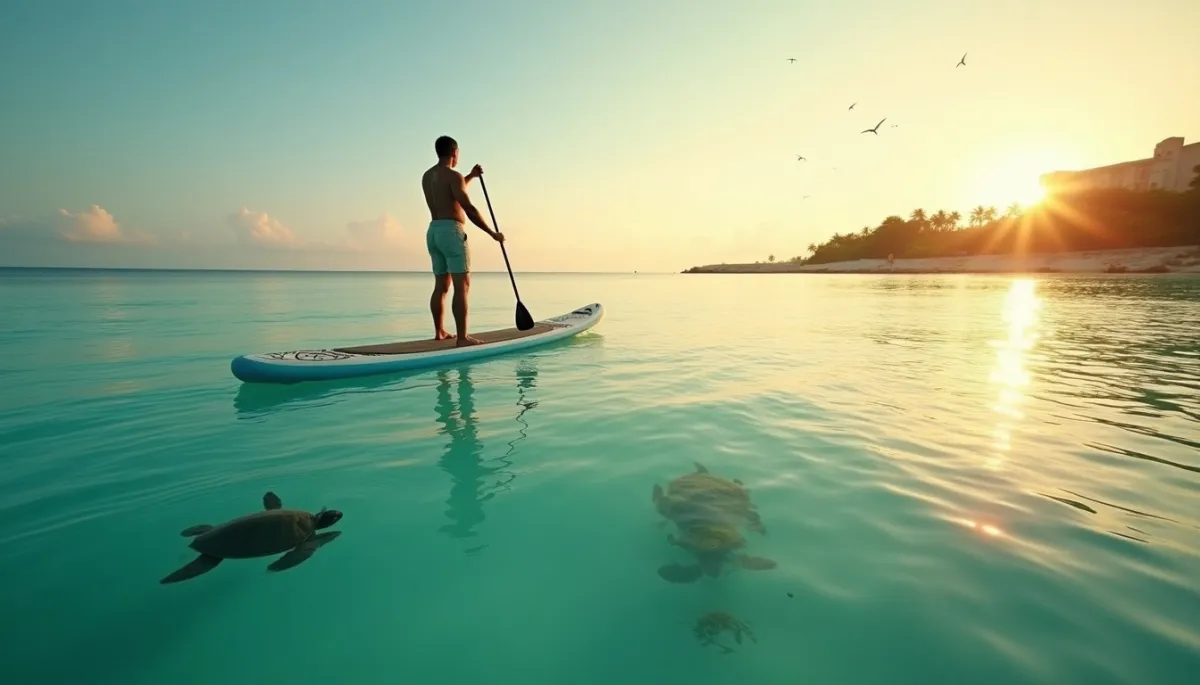
First light changes everything. Imagine standing on a board, breath slow, while the sky shifts from indigo to gold and the sea around Playa del Carmen or Tulum mirrors those tones.
The practice of sunrise paddleboarding takes place along the Riviera Maya and nearby Caribbean isles, most often between 30 minutes before and 60 minutes after sunrise, when winds are light and the water is glassy. Guides meet you on quiet beaches or small marinas, hand over a board and a leash, and paddle out into a world that feels reserved for early risers. Beyond the visual beauty, this is a session of 'meditation active' (active meditation), combining movement, balance and focused breathing to lower stress and anchor attention.
Immediate calm
On many mornings, operators in Akumal lead groups to shallow reefs where the water is translucent. Paddlers drift above moray holes and coral bommies, while a guide points quietly to a turtle slowly feeding. The silence—broken only by soft paddle strokes and distant coo of gulls—creates a natural container for presence.
Local hotels such as small boutique properties in Tulum and eco-lodges in Punta Allen offer sunrise SUP sessions as part of wellness packages. Participants often report reduced anxiety and clearer thinking for the rest of the day, a consequence measured in anecdotal terms by guides who note repeat clients returning for the same morning ritual.
In Cozumel, early dives give way to paddleboarders tracing the reef edge at first light. The consequence is practical: clearer water means better visibility for marine life, and calmer conditions reduce stress on both wildlife and paddlers, improving the quality of the experience and minimizing disturbance.
Roots of the practice
The 'why' behind sunrise SUP is both physiological and cultural. Physically, balance work engages the core and the vestibular system, while rhythmic paddling activates the parasympathetic nervous system, helping to lower heart rate. Mentally, focusing on breath and body anchors attention, making the session a moving form of meditation.
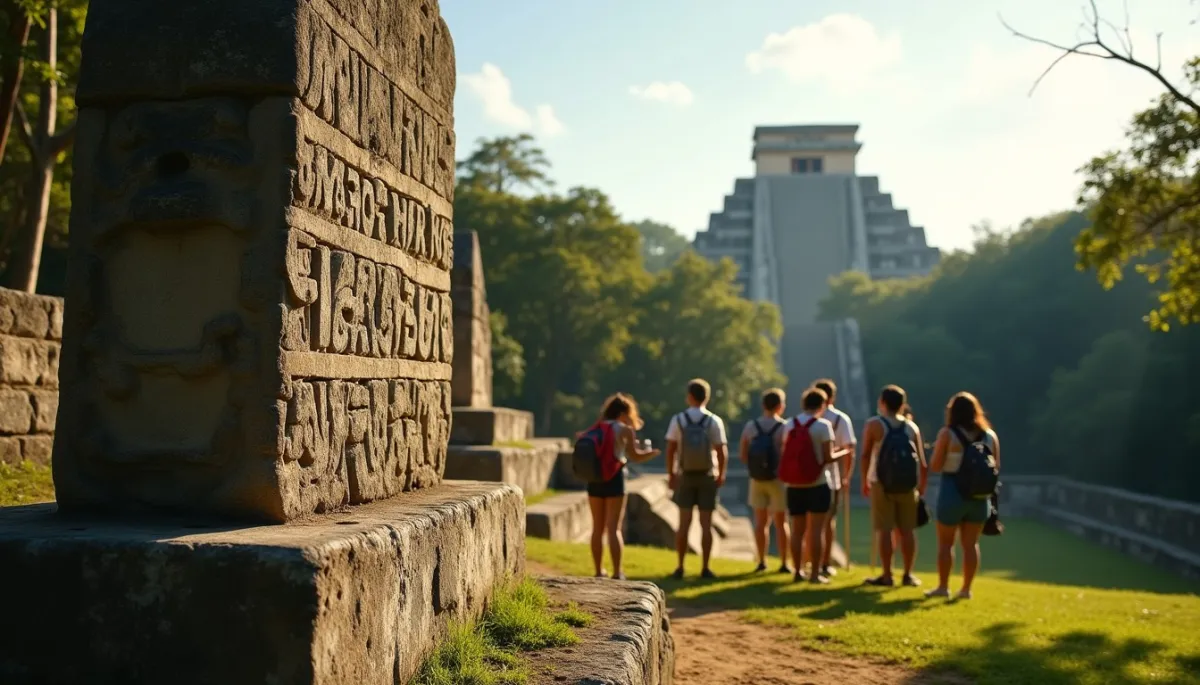
Culturally, the Riviera Maya has a long relationship with the sea. Pre-Hispanic coastal communities navigated and fished these waters. Today, modern guides often evoke that lineage, framing morning paddles as a respectful re-encounter with coastal life rather than mere tourism. This storytelling connects visitors to place, adding depth to the activity.
Environmental causes also drive the spread of sunrise SUP. Local NGOs and dive shops combine wellness offerings with conservation: a sunrise paddle might include a short briefing on reef health or a pledge to avoid anchoring. Some operators donate a portion of proceeds to turtle protection projects or to cleanup actions along Sian Ka'an and reef zones.
Between promises and challenges
There are contradictions. The calm, idyllic image of paddleboarding can mask real pressures. Sargassum blooms, which peaked in recent years, occasionally affect beaches from Isla Mujeres to Puerto Morelos, changing where tours launch and altering water clarity. Organizers must adapt quickly, and sometimes sessions are moved or canceled for ecological reasons.
Another tension is access. Popular stretches like Tulum's north beaches can become crowded, undermining the quiet intimacy that makes sunrise SUP meditative. Responsible operators mitigate this by limiting group sizes, launching earlier, or choosing lesser-known coves near Xcacel or Punta Esmeralda.
Looking forward, the development that accompanies tourism risks squeezing intimate experiences, but also creates opportunities. Partnerships between hotels, local cooperatives and conservation groups can fund protected areas and community training. If managed well, sunrise paddleboarding can become a model of low-impact, high-value tourism that benefits residents and restores a sense of care for the Caribbean coastline.
Practical tips for readers: arrive with a light layer, rent a stable all-around board if you are a beginner, keep movements slow and intentional, avoid reef contact, and use mineral-based sunscreen. If you want a special memory, book an Akumal turtle morning or a Cozumel reef-edge session with a certified guide.
Finally, a small insider's note: ask about morning routines of the guides. They often know the best micro-spots where the water clears and encounters with rays or turtles are more likely. These are not guaranteed, but are part of the attentive curation that turns a paddle into a ritual.
Thanks for reading, and don't forget, Enjoy Life Moments!