Bacalar, the lagoon of seven colors: a preserved treasure of Yucatán
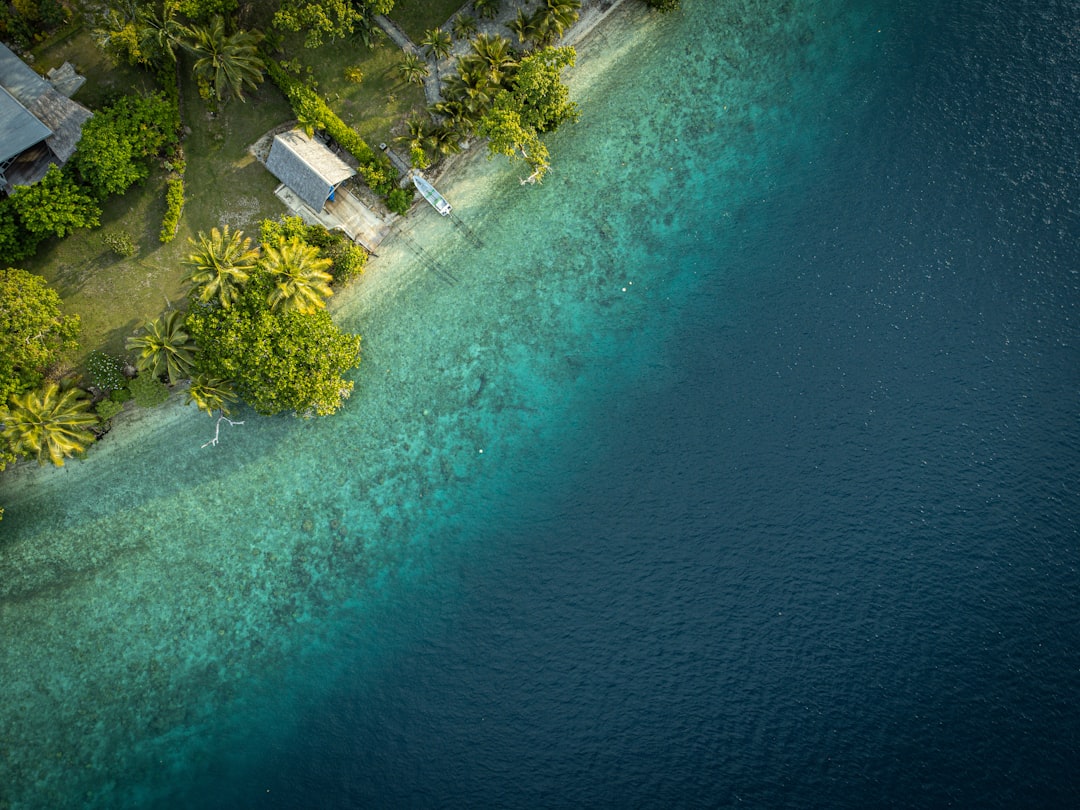
Nestled in southern Quintana Roo near the Yucatán border, Bacalar combines small-town charm with dramatic natural beauty. Its nickname — the Lagoon of Seven Colors — comes from the combination of depth, white limestone, and submerged microbial structures that reflect light in multiple hues.
Today Bacalar attracts travelers seeking quiet beauty and meaningful encounters with nature. From paddleboarding over crystal-clear water to learning about fragile stromatolites, this place rewards slow travel and respectful visitors.
Why Bacalar is called the lagoon of seven colors
The lagoon's palette comes from variations in depth, the white carbonate sand below, and dense bands of freshwater mixing with groundwater springs. Where the water is shallow it appears turquoise; where it deepens it turns indigo, and in between you see every shade of blue and green.
Hidden under the surface are stromatolites — layered microbial formations that are among the oldest living structures on Earth. These formations give the lagoon a unique texture and play a central role in why scientists and conservationists focus on Bacalar.
How to get there and best time to visit
Bacalar is about a three-hour drive south of Cancun or a shorter drive from Tulum and Chetumal. You can reach the town by bus, colectivo, or rental car; many visitors combine Bacalar with an inland Yucatán itinerary that includes cenotes and archaeological sites.
The best time to visit is during the dry season (roughly November to April), when skies are clearer and water visibility is at its peak. Shoulder seasons can be pleasant and less crowded, but always check local conditions and community advisories before planning water activities.
Stromatolites, conservation and responsible travel
Bacalar's stromatolites and clear waters are fragile. Rapid tourism growth once stressed the lagoon with untreated sewage and excessive motorboat traffic, prompting local initiatives and new rules to protect the ecosystem. When you visit, choose operators who follow the lagoon's conservation guidelines and support community-led projects.
Learn more about Bacalar's natural and cultural context through trusted sources such as TripAdvisor's local listings for planning and community reviews, and background information available on Wikipedia for broader research. For official travel planning and national context, always consult updated resources before you go. TripAdvisor · Wikipedia
Top experiences and practical tips
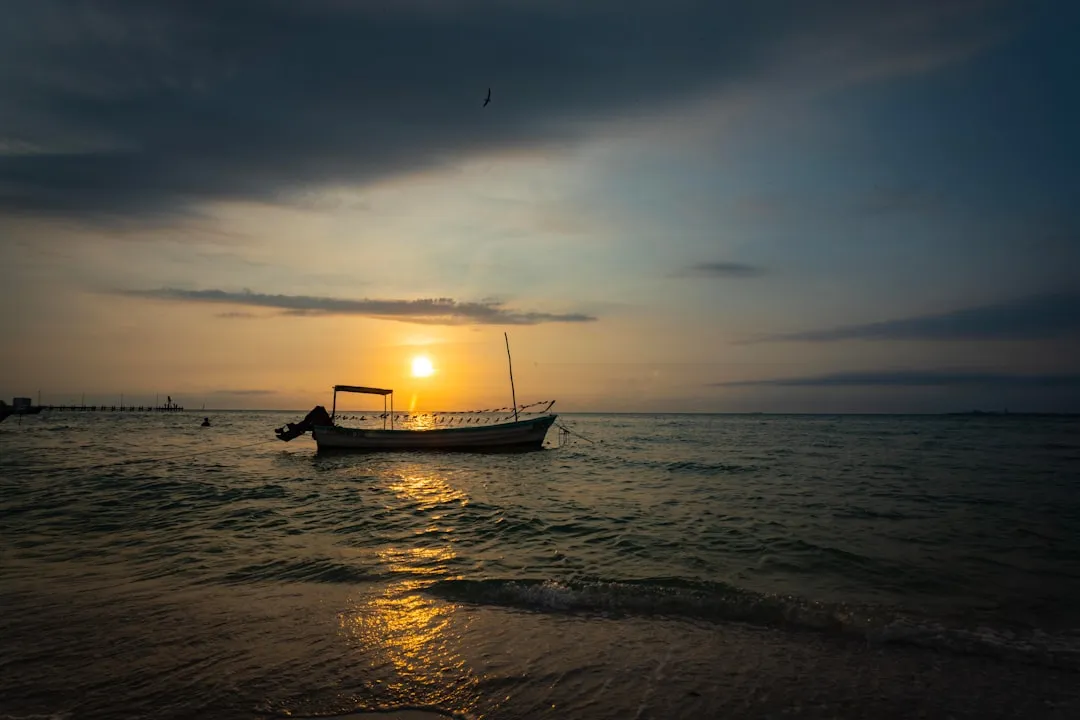
Must-do activities include a boat tour of the Canal de los Piratas (pirate channel), swimming in Cenote Azul, kayaking or stand-up paddleboarding over the lagoon, and visiting the 18th-century Fort of San Felipe to learn about local history. Early morning outings reward visitors with mirror-like water and birdlife sightings.
Practical tips: bring biodegradable sunscreen, avoid single-use plastics, hire certified eco-guides, and prefer non-motorized or electric boat options to reduce disturbance. Respect marked conservation zones and never touch stromatolites — their slow growth can be irreparably damaged by human contact.
Thanks for reading, and don't forget, Enjoy Life Moments!