Saint-Paul-de-Vence: a stroll through the village that charmed Chagall and Montand
🚀 Key Takeaways
- Core idea : A compact medieval village with a modern artistic legacy.
- Practical tip : Visit early morning or late afternoon, and book Fondation Maeght tickets in advance.
- Did you know : La Colombe d'Or kept artworks from artists who dined there, creating a unique private museum-feel.
Light pours over the narrow lane. You can almost hear brushes on canvas.
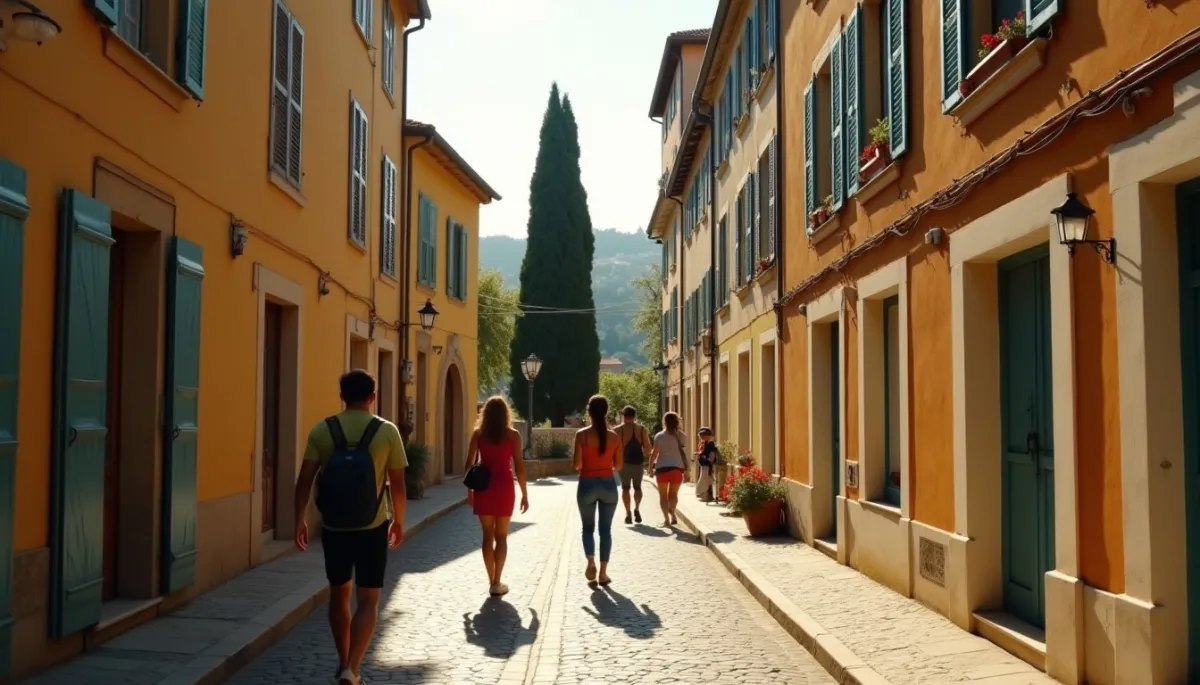
The scene is classic: cobbles warmed by sun, shutters painted in muted blues, and tourists and locals flowing past tiny galleries. At the top of the village a chaîne of cypress and the silhouette of the ramparts frame a view toward the hinterland. Artists’ signatures remain visible on walls, in shop windows and above café tables, like echoes of conversations that shaped modern art on the Riviera.
Pierres et silence
Saint-Paul-de-Vence is first a medieval village, perched and fortified, where each stone has a story. Its narrow streets, carved between houses with thick walls, date back centuries and have been conserved to preserve that intimate scale.
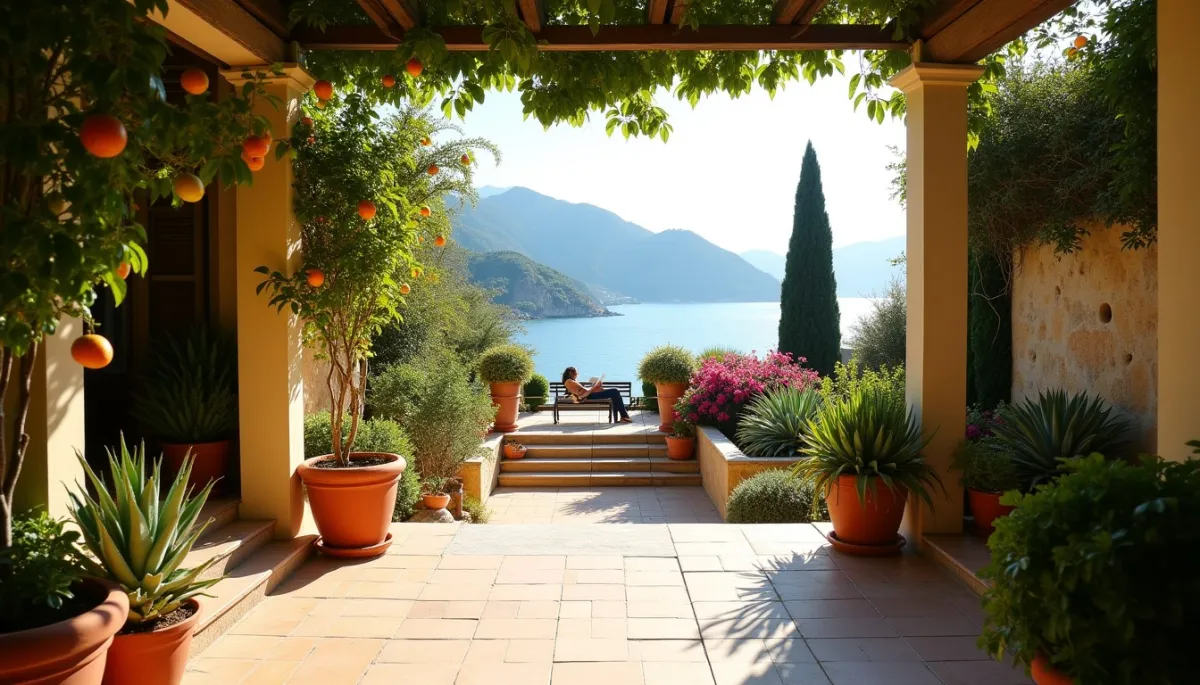
The ramparts offer both panorama and pause. From certain viewpoints you see the Mediterranean shimmer on the horizon, and you understand why painters found the light here exceptional. The village’s compactness makes it perfect for a slow, contemplative walk, what the French call flânerie (a leisurely, observant stroll).
La Colombe d'Or, just outside the old ramparts, is a living anecdote of that history. Since the mid-20th century, owners accepted paintings as payment from artists passing through, so the restaurant’s walls became a trove of Picasso, Matisse and Chagall pieces and stories—an informal museum tied to daily life.
Palette et rencontres
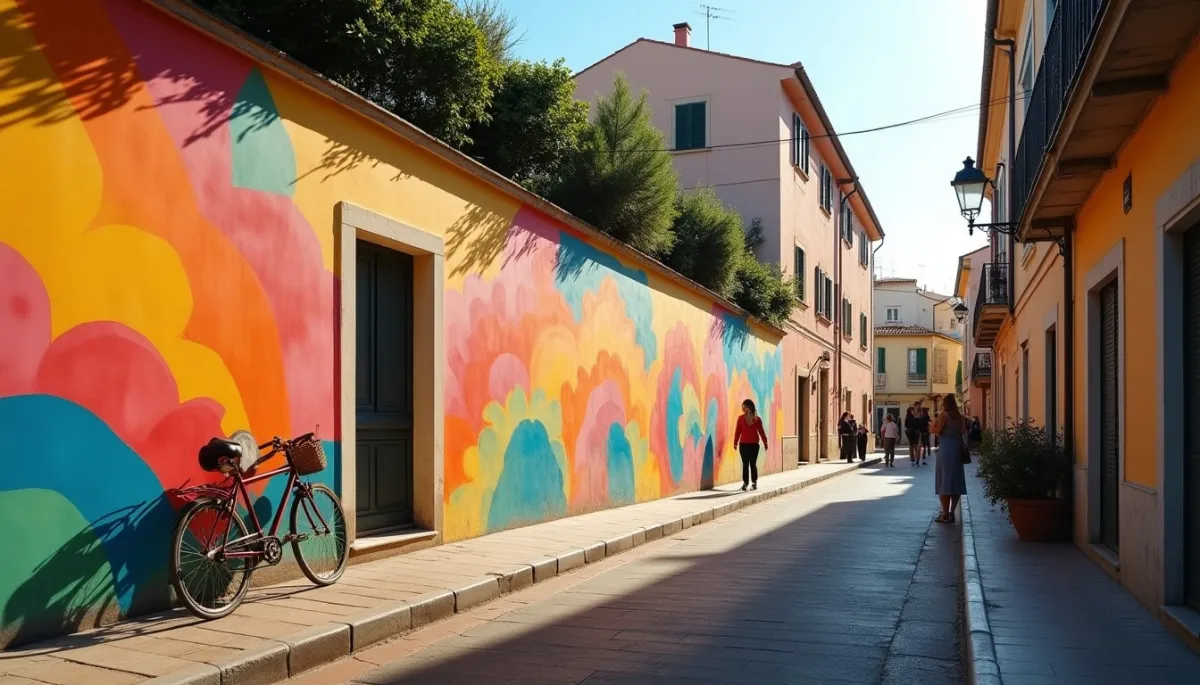
In the 20th century Saint-Paul-de-Vence morphed into an artists’ haven. Sculptors, painters and actors found respite here; they came for the light, the discreet beauty and the conviviality. The village soon gained an international reputation.
A major landmark is Fondation Maeght, inaugurated in 1964 and designed by the Catalan architect Josep Lluís Sert. The foundation houses a remarkable modern art collection with works by Giacometti, Miró, Calder and others. Its gardens, mosaics and sculptures create a dialogue between art and the Provençal landscape.
Marc Chagall is among the figures most closely associated with Saint-Paul-de-Vence. The village’s atmosphere appears in letters and photographs from the period. Actors and musicians, including Yves Montand among others, also gravitated here, bringing cinematic glamour to the cobbles and cafés.
Savoir flâner
To enjoy Saint-Paul-de-Vence, slow down. Arrive early to avoid crowds, especially in summer. Mornings offer cool light and quiet galleries; late afternoons give golden tones ideal for photos and relaxed café conversations.
Practical tips: park at the village outskirts (parking is limited inside) and wear comfortable shoes. Reserve visits to Fondation Maeght online, and consider lunch at La Colombe d'Or for the atmosphere, not just the menu. Explore smaller galleries—many host contemporary artists who continue the village’s creative lineage.
There are contradictions worth noting. The village’s success as a landmark brings crowds that can erode the intimate charm which once attracted artists. Local authorities and shopkeepers try to balance tourism with preservation, promoting off-season visits and cultural programming to sustain authenticity.
Ultimately, Saint-Paul-de-Vence remains a place where history and modernity converse. Whether you come for the Fondation Maeght, to spot a Chagall on a restaurant wall, or to simply walk the ramparts at dusk, the village rewards curiosity and patience.
Thanks for reading, and don't forget, Enjoy Life Moments!