Agritourism in Provence: sleep in seaside wine estates
🚀 Key Takeaways
- Key concept : Agritourism combines lodging and on-site wine experiences in working domaines, often with sea views.
- Practical tip : Visit in late September during the vendanges (harvest) for a hands-on experience, and always book tastings in advance.
- Did you know : The Bandol appellation, famous for Mourvèdre, received its AOC in 1941, shaping the region's modern wine identity.
Morning tastes like thyme and salt.
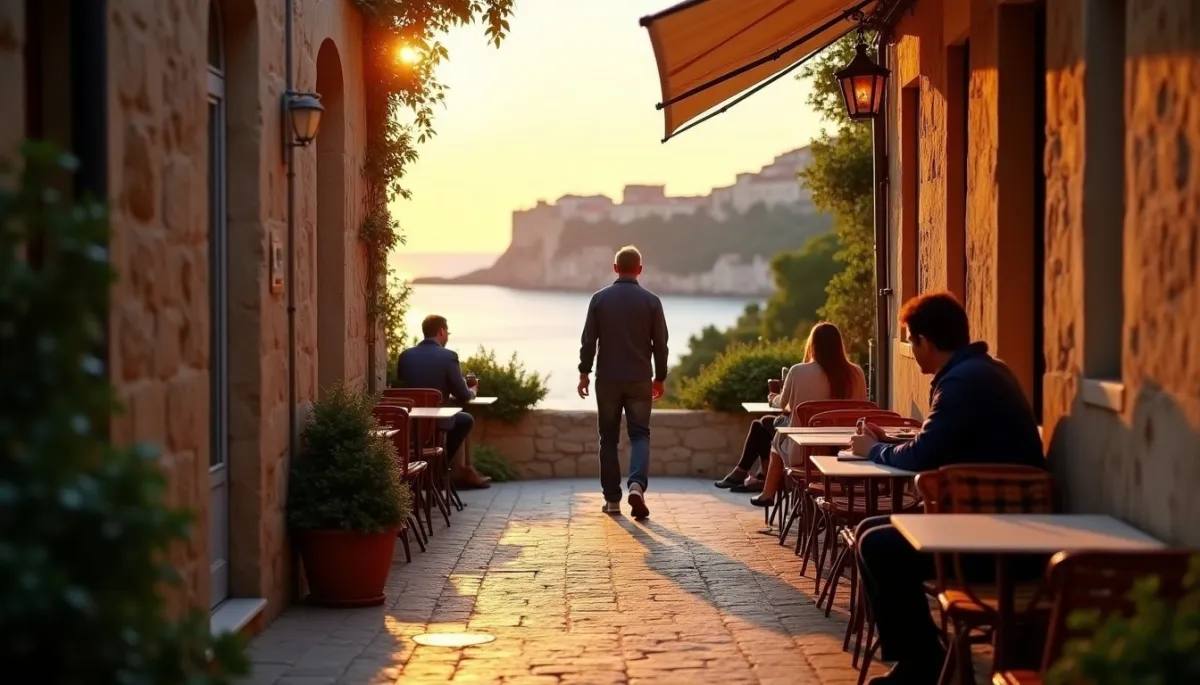
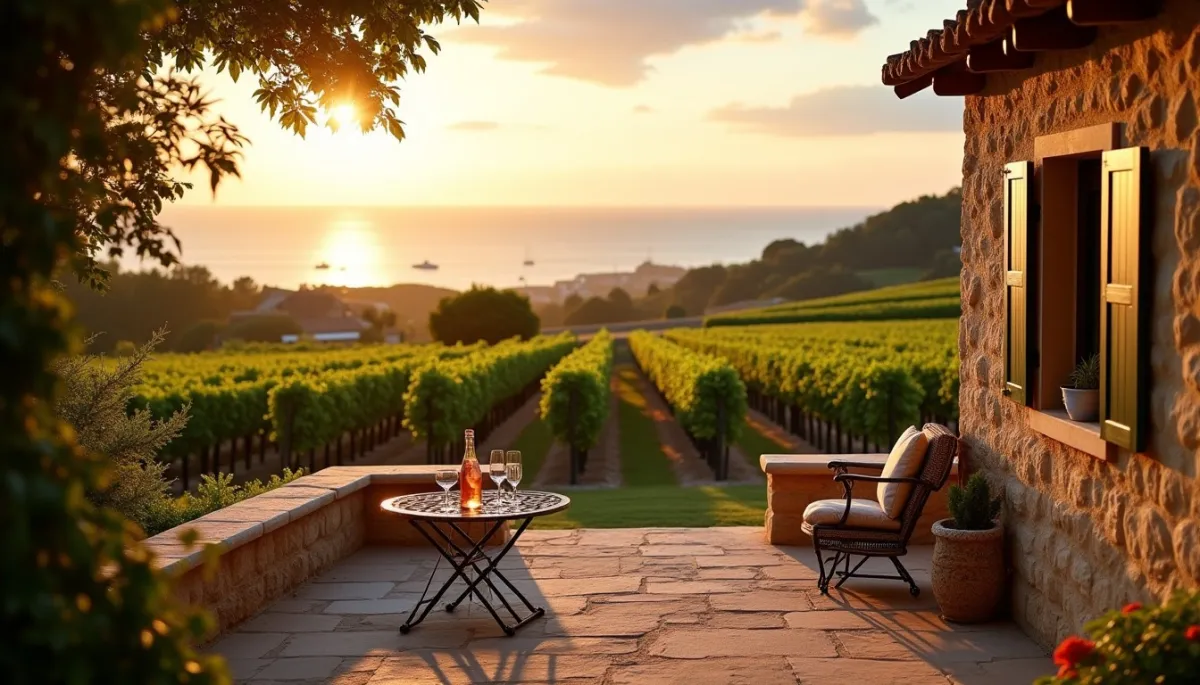
You wake in a stone room whose shutters open to terraces of vines, then a sweep of blue. Nearby a winemaker moves between rows of gnarled Mourvèdre and Grenache, while the sea glints beyond the last olive tree. The first glass poured is cool, pale rosé, and the conversation begins with the slope of the land and ends with where to walk at dusk to watch the fishing boats return.
Vines by the sea
Coastal Provence is not just postcards. In pockets from Cassis to the islands off Hyères, vineyards cling to terraces and low hills that look directly at the Mediterranean. The visual contrast between vineyard rows and open sea is a unique selling point for agritourism here.
Bandol, Cassis and parts of the Côtes de Provence are emblematic. Bandol produces structured reds based on Mourvèdre, a grape that thrives on warm, maritime-exposed slopes. Cassis, meanwhile, is prized for white wines grown on steep calcareous terraces overlooking the calanques.
Some estates offer guest rooms, converted bastides or small gîtes (holiday cottages) on the property, allowing visitors to fall asleep to vineyard scents and wake to seascapes. Château Léoube, on the coast near Le Lavandou, is an example of a working domaine that has developed hospitality alongside organic viticulture and an emphasis on coastal biodiversity.
Why travelers choose it
Visitors seek authenticity and slow rhythms. Agritourism (agritourisme) and oenotourism (wine tourism) allow a direct encounter with producers, not only a tasting room. There is an appetite for experiences: participating in a harvest, walking terroir with the vigneron, learning about traditional cuvées.
Since the 2010s, Provence's international fame for rosé has fueled interest. The region now attracts urban travelers who want to combine beach time with land-based experiences, such as olive oil milling, beekeeping, and vineyard walks. The proximity to Nice, Marseille and Toulon makes coastal domaines easy weekend escapes.
Practicality matters too. Smaller estates can host fewer guests, which creates intimacy. Many domaines have repurposed old farmhouses into tasteful rooms while keeping winemaking areas active, so the guest experience is literally embedded in production cycles.
Seasons and moments
Timing changes everything. Spring brings wildflowers and moderate temperatures, ideal for long walks. Summer is beach season, but also the busiest and hottest, when vineyards are in full leaf. The real show is harvest time, usually September for most Provençal grapes, when you can witness—and sometimes join—the rhythmic pace of picking and first presses.
Off-season visits, in late autumn or winter, reveal a quieter landscape and attentive winemakers who may have more time to explain cellar techniques. Many domaines close portions of their hospitality calendar in mid-winter for vine pruning and maintenance, so check opening dates in advance.
Events anchor the calendar. Local fêtes, open days at estates, and grape harvest festivals give color to a stay. If you time it for a domaine's open day, you will likely meet multi-generational families who run the vineyards and hear stories that do not appear in guidebooks.
True stories and terroir
History runs deep. The Romans cultivated vines in southern Gaul from the 2nd century BC, and coastal trade routes later shaped varietal choices and techniques. Modern appellations, for example Bandol AOC, date to 1941, but the human relationship to these slopes spans millennia.
Meet producers who embody the place: a small Bandol domaine where the owner still tends vines planted by her grandfather, explaining how Mourvèdre responds to mistral winds and limestone soils. Or a family in Cassis who saved terraces during the 20th century to preserve the singular white wines that pair with local fish.
On Porquerolles island, vineyards have coexisted with maritime cultures for decades. Staying on the island means limited cars, island walks between vines and coves, and the strong sense of a place with protected landscapes and slow access that amplifies the agritourism appeal.
Practical advice
Book tastings and rooms well ahead, especially in July and August. Ask whether the accommodation sits within the working area of the domaine, and whether breakfast includes estate products, such as freshly pressed olive oil or a bottle to taste at sunset.
Respect the rhythm of the domaine: quiet hours, restricted cellar visits during harvest times, and seasonal closures. Learn basic terms: agritourisme (farm-based tourism), oenotourisme (wine tourism), vendanges (grape harvest), and cuvée (a specific wine blend or barrel).
Transport logistics: fly to Nice, Marseille or Toulon-Hyères, then rent a car to explore multi-domaine itineraries. Cycling routes along coastal roads and quieter backroads offer another way to connect landscapes and estates, but be mindful of heat and road safety in summer.
Thanks for reading, and don't forget, Enjoy Life Moments!