Sadio Mané: turning international fame into hospitals and schools for his home village
🚀 Key Takeaways
- Concept key : Football fame translated into lasting social infrastructure.
- Practical tip : Visit local community projects when you travel, learn how sports philanthropy works on the ground.
- Did you know : Mané has financed a health center, schools and water projects in Bambali, creating local jobs.
He returns with a smile.
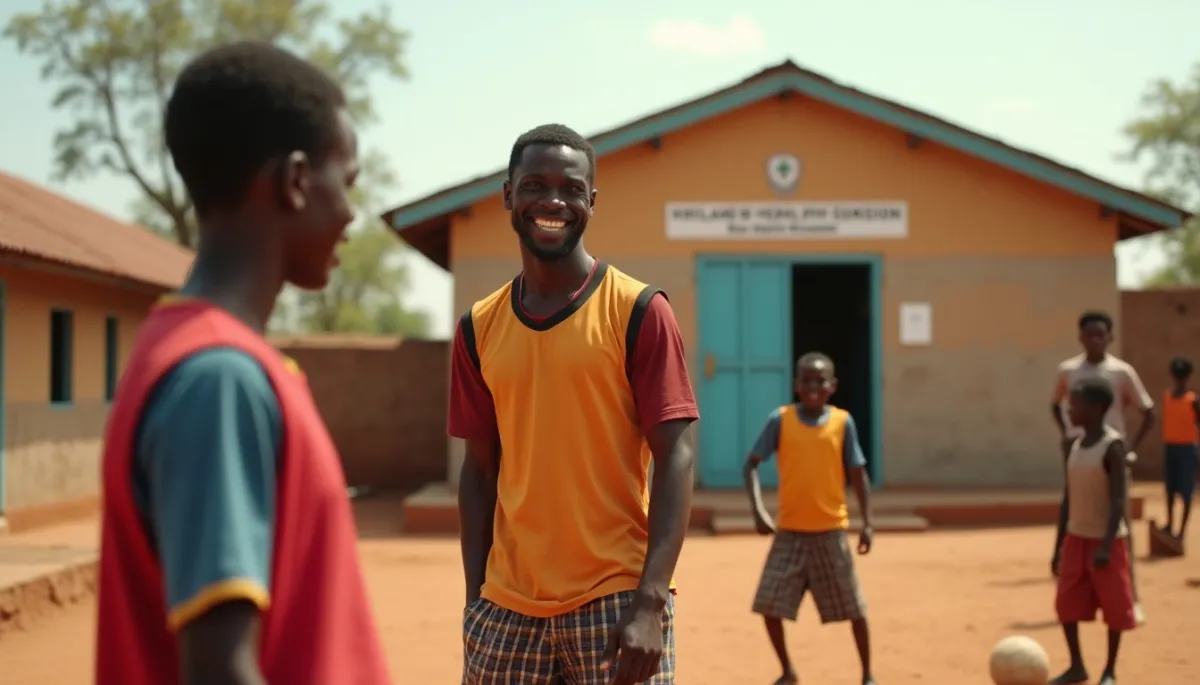
Imagine a dusty lane in Bambali, early morning light, goats winding between red clay houses and children running after a ball. A white van arrives, elders gather, and people point toward a new building with a fresh coat of paint: the local health center that a hometown son helped fund. In that instant the link between stadium roar and village calm becomes visible.
back to the village
Sadio Mané is a name known from Bambali to Anfield and Riyadh. Born on April 10, 1992 in Bambali, a small town in the Casamance region of Senegal, he rose through the ranks to professional football in Europe, passing through Génération Foot academy, FC Metz, Red Bull Salzburg, Southampton, Liverpool and then Bayern Munich and Al Nassr.
On the pitch Mané won major trophies: the UEFA Champions League with Liverpool in 2019, the Premier League in 2020, and he was a decisive figure in Senegal's national team. He also earned individual honors, including the African player of the year in 2019, and the Premier League Golden Boot shared in 2018-19.
Off the pitch his choices made headlines. Instead of ostentatious displays, Mané invested in concrete projects for Bambali: a health center, school buildings, water wells and jobs for the villagers. These are not symbolic gestures, they are lasting infrastructure.
roots at work
The why is simple and human. Growing up in Bambali, Mané experienced the daily realities of limited access to medical care and education. Those memories shaped his priorities once he had the means.
After his breakthrough in European football (notably his transfer to Liverpool in 2016), donations to his village began to follow. Local reports and interviews with villagers recount how funds were used to build and rehabilitate a health center that treats childbirth and common illnesses, and to finance classrooms so children no longer have to learn under trees.
Beyond buildings, Mané's funding often focuses on the essentials: clean water points (for drinking and agriculture), basic medical equipment, and salaries for local staff. That approach converts donations into recurring services and employment. It is philanthropy designed to be functional, rather than ceremonial.
transforming daily life
The effects are tangible. A modernized health center reduces travel time to the nearest hospital, which can be dozens of kilometers away. Mothers give birth with trained assistance, and children receive vaccinations locally. School attendance rises when classrooms become available and safe.
Economically the projects create micro-opportunities: construction jobs, maintenance positions, teaching posts. Local entrepreneurs can serve a growing community, from food vendors to transport providers. These ripple effects often go unreported, yet they matter for generational change.
When international journalists come to Bambali, they often highlight the contrast between football glamour and rural simplicity. Villagers, by contrast, speak of being able to plan for the future. That is the human metric of success.
challenges and continuity
Yet translating fame into development also raises questions. Sustainability depends on trained staff, supply chains for medicines, and municipal support. A funded building without ongoing operational budgets risks falling into disrepair.
Mané’s projects appear to address this by combining infrastructure with local capacity building. Reports indicate collaboration with regional health authorities and community leaders to ensure management and staffing. That said, long-term success needs consistent public-private coordination.
Looking forward, one open question is scale. Can the Bambali model be replicated across other villages in Senegal? Replication requires transparent funding, local governance, and follow-up. Sports stars can catalyze change, but systemic development needs many partners including governments and NGOs.
For travelers and readers interested in learning from this story: when you visit regions transformed by sports philanthropy, ask to meet local staff, visit classrooms and clinics, and learn how maintenance and funding are managed. Real change reveals itself in routines, not only ceremonies.
Thanks for reading, and don't forget, Enjoy Life Moments!