The secret of Loro Piana: why vicuña is the most exclusive fiber on earth
🚀 Key Takeaways
- Core concept : Vicuña (vigogne) is the rarest, finest natural fiber, prized for fineness and thermal properties.
- Practical tip : Check provenance and certificates; professional cleaning only, store in breathable cover.
- Did you know : The chaccu round-up in the Andes is both a cultural ritual and a controlled source for legal fiber.
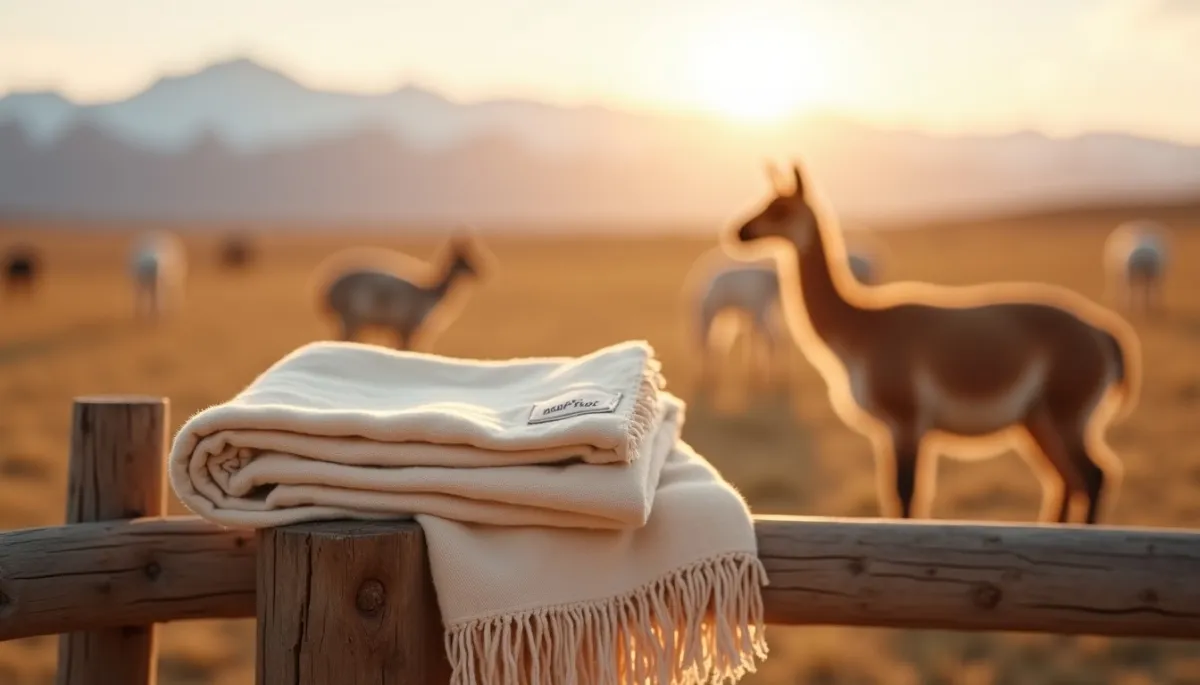
Soft as a whisper, worth a fortune. Imagine standing at dawn on an Andean salt flat, breath in fog, a herd of vicuñas outlined by pink light, and in your hands a Loro Piana scarf so light it seems to float.
That image explains why the Italian house Loro Piana has made vicuña synonymous with extreme luxury. The brand turned an Andean fiber into a global signal of discreet wealth, combining centuries of pastoral tradition with modern traceability and Italian cloth-making. The story is at once ecological, entrepreneurial, and sartorial.
Rare thread
Today, Loro Piana stands for artisanal excellence and material obsession. The maison built its reputation on cashmere and wool before embracing vicuña as the ultimate expression of rarity. A vicuña garment instantly conveys provenance, scarcity, and a price tag that places it in the realm of collectible clothing rather than mere apparel.
Why does this matter? Because in luxury, scarcity equals desirability. Vicuña fiber is exceptionally rare: the animal is small, yields only a few hundred grams per shearing, and legal harvests are tightly controlled. Combined with Loro Piana's craft, that scarcity translates into pieces that fetch tens of thousands of euros, and in some cases more.
There is also a narrative value. A vicuña coat is not just warm; it is a statement about patience, conservation, and taste. Loro Piana packages that narrative carefully, with product stories, limited runs, and boutiques where the material is presented almost like an objet d'art. That positioning works because the marketplace for ultra-luxury seeks meaning as much as material.
High altitude
The cause of vicuña's exclusivity is biological and historical. Vicuñas live above 3,500 meters in the high Andes. Their wool fibers average around 11 to 13 microns in diameter, markedly finer than typical cashmere. In textile terms, fewer microns means a softer, silkier hand and superior insulation-to-weight ratio. The physics is simple: finer fibers trap more micro-air pockets, increasing thermal performance without bulk.
Historically, vicuñas were nearly wiped out in the 20th century due to hunting and habitat pressure. From the late 1960s and through the 1980s, conservation measures and community-driven programs reversed the trend. Controlled shearing events, many organized through the ancestral practice known as chaccu, now allow regulated harvests. Since the international trade was reopened under strict conventions, luxury houses have had to build trusted supply chains to access the fiber legally.
Loro Piana's role has been to lace this ecological backdrop with Italian finishing. The company invested in traceability, working with remote communities and complying with export rules. The result is not only a rare fiber but one that carries a documented lineage, which is essential for savvy buyers and for certification regimes that insist on sustainability and animal welfare.
Care and provenance
However, exclusivity comes with contradictions. Vicuña's rarity and price create temptation for fraud. Counterfeit labels and blended fabrics diluted with lesser fibers can appear on secondary markets. Savvy shoppers should ask for provenance papers, origin certificates, and detailed care guides. Loro Piana and a handful of other maisons provide such documentation; that traceability becomes as valuable as the textile itself.
Another limitation is practicality. Vicuña garments are delicate. Home washing can ruin the fiber's structure. The rule of thumb: professional cleaning only, minimal handling, and storage away from light and moths. Given the cost, many owners treat vicuña pieces as seasonal heirlooms rather than daily wear, which reinforces the item's aura but reduces everyday visibility.
Still, the model works. Loro Piana succeeded because it combined respect for Andean practices, rigorous procurement, and unmatched Italian finishing. The maison transformed a small mountain fiber into a language of luxury that resonates in Milan, New York, Tokyo, and beyond. For collectors, a genuine vicuña product is both an investment and a story, one that starts at 4,000 meters and ends in a quietly lit boutique.
Practical tip: when evaluating a vicuña piece, feel for that airy lightness, ask about the chaccu origin, and keep the certificate. If the price seems too low, it probably is.
Thanks for reading, and don't forget, Enjoy Life Moments!