Beekeeping on the Swiss Riviera: Why lake-flower honey is so special
🚀 Key Takeaways
- Core idea : Lake-flower honey reflects the unique microclimate and plant mix of the Swiss Riviera.
- Practical tip : Taste local jars at farmers markets in Vevey or Lausanne in June and July.
- Did you know : Lavaux terraces, a UNESCO site since 2007, help sustain floral corridors for bees.
Sweetness on the lakeshore. Imagine opening a jar where light, salt-tinged air and early sun seem to have melted into the honey.
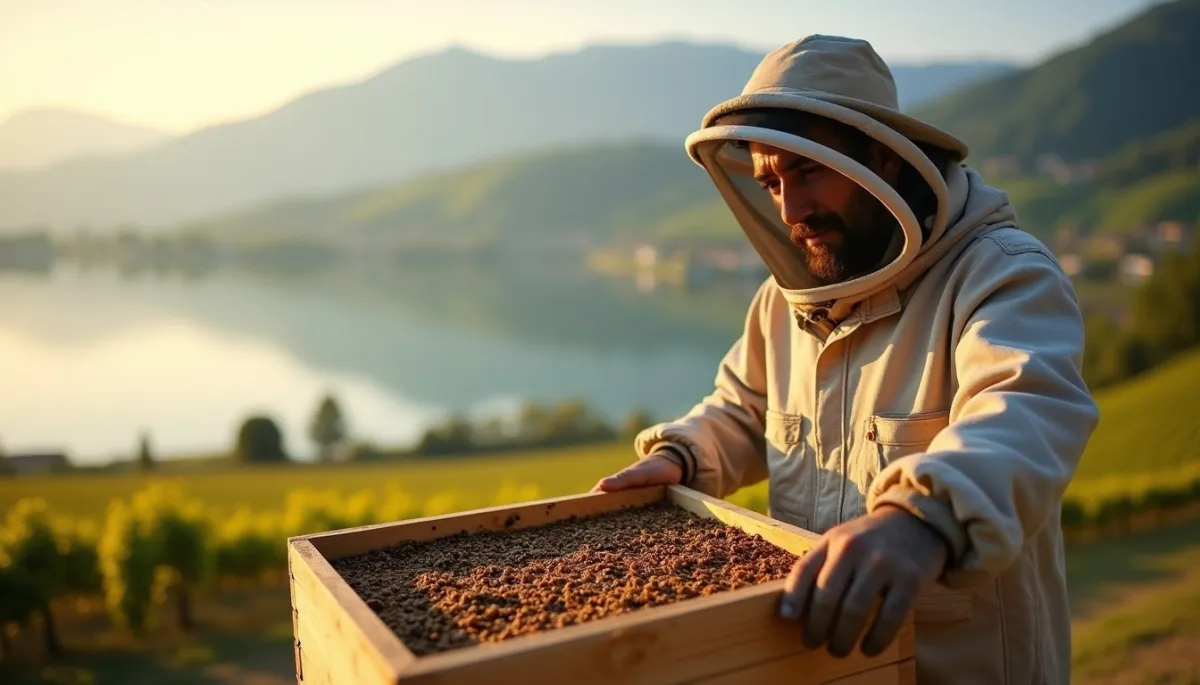
It is early June, and a beekeeper in Cully inspects frames while the waves of Lake Geneva glint behind her. Bees hum among lime trees and acacia blossoms, then cross the terraces of Lavaux where vines and wildflowers grow side by side. The scene is part seaside, part vineyard, entirely local.
gentle microclimate
The Swiss Riviera, from Lausanne to Montreux, benefits from a moderated climate because of Lake Geneva. Winters are milder and frosts arrive later than in the interior. This extends the flowering season and offers bees a longer, staggered supply of nectar.
That lake effect matters: plants such as black locust (acacia), lime trees (tilleul), chestnut and a variety of meadow flowers bloom at different moments, creating overlapping 'nectar flows'. The result is a honey with layered aromatics rather than a single flat note.
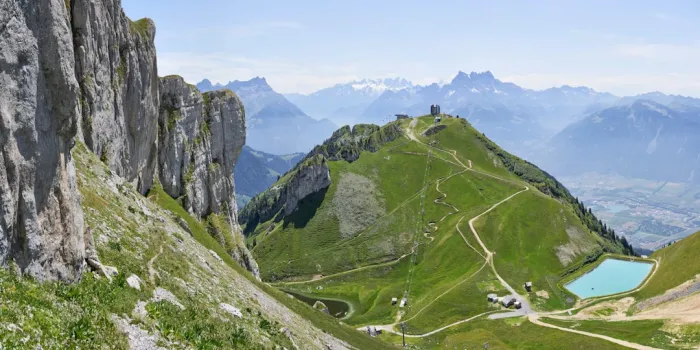
Local geography amplifies the effect. The terraces of Lavaux, classified UNESCO in 2007, plus sheltered valleys and urban green spaces provide a patchwork of habitats. Beekeepers place hives strategically to follow the floral calendar and to capture diverse nectars.
origins and flavors
When people speak of 'miel de fleurs de lac', they mean honey whose nectar comes mainly from flowers growing along the lakeshore and nearby slopes. This is usually polyfloral honey, meaning it contains pollen and nectar from many plant species.
Polyfloral does not mean random. The concept of 'terroir apicole' explains how soil, climate and plant communities influence flavour. A jar collected in late May may be dominated by acacia notes, while June and July jars show lime and meadow herbs.
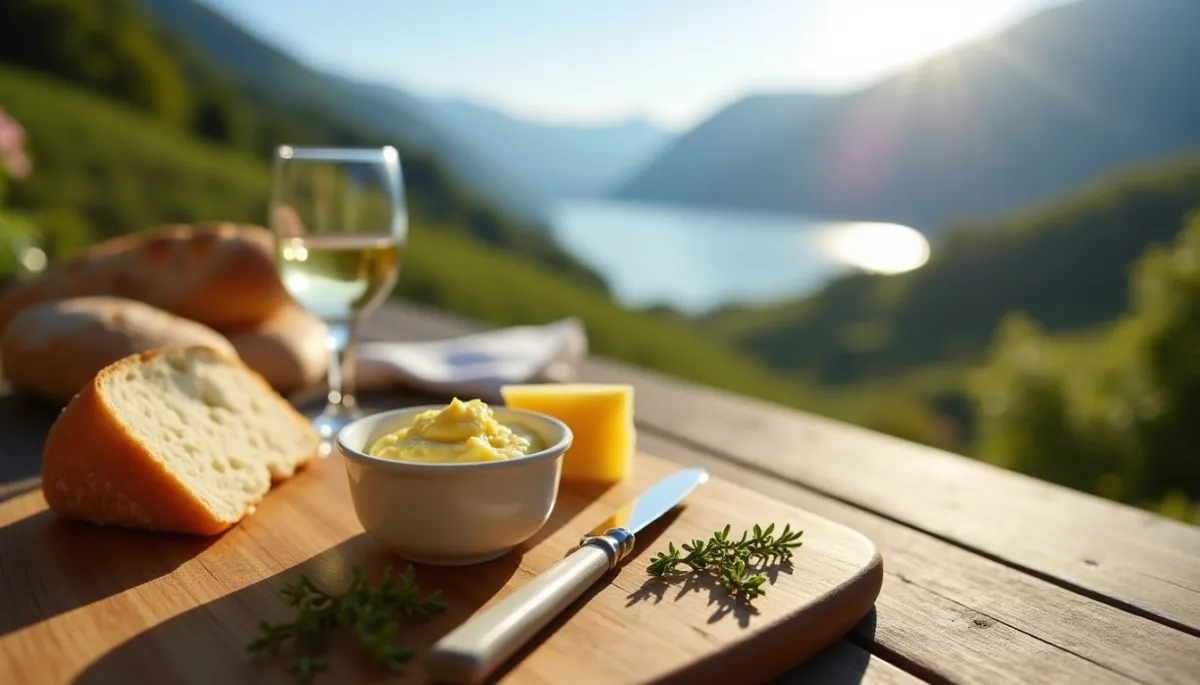
For the palate, lake-flower honey is often light amber, with a floral bouquet and a faint mineral or saline background that many tasters describe as 'luminous'. Local chefs pair it with goat cheese, alpine yogurt, or as a glaze for fish to highlight its subtle complexity.
people and practices
Beekeeping here mixes tradition and modern practice. Many small-scale beekeepers, some families active for generations, work alongside newer urban apiarists who host hives on municipal rooftops. In recent years, cities like Lausanne and Vevey have supported rooftop and community hives to reconnect citizens with pollinators.
There are also organised courses and associations that teach disease monitoring, hive registration and sustainable practices. Varroa mite control, seasonal feeding and careful harvest dates keep colonies healthy and preserve delicate flavour profiles.
An anecdote: a local beekeeper told me that in 2019 a single hive near the lakeshore produced a noticeably earlier acacia dominance due to an unusually warm spring. That jar became sought after at the market because its aroma captured a rare, early bloom.
threats and questions
Despite the charm, apiculture on the Riviera faces challenges. Pesticide drift from intensive agriculture, habitat fragmentation, and the global spread of pests like Varroa destructor threaten yields and hive health.
Climate change adds unpredictability. Warmer winters can disrupt bee queens' egg-laying cycles and shift flowering times, potentially causing mismatches between bees and their forage. Beekeepers here adapt by diversifying forage zones and moving hives seasonally when possible.
Fortunately, local initiatives, from educational workshops to biodiversity planting campaigns, seek to restore flower corridors along the lakeshore. Consumers can help by buying labelled local honey, supporting markets in Vevey, Montreux and Lausanne, and favouring gardens rich in pollinator-friendly plants.
For visitors, the best moment to taste fresh lake-flower honey is late spring to mid-summer. Ask for the dominant floral notes, look for small-batch jars and prefer producers who can describe where their hives stood. A short tour with a beekeeper often reveals the subtle art behind each jar.
Thanks for reading, and don't forget, Enjoy Life Moments!