The Riviera seen by its residents
🚀 Key Takeaways
- Key concept : The Riviera blends seafaring traditions and inland Provençal life, creating a layered local identity.
- Practical tip : Visit markets like Cours Saleya in Nice or Forville in Cannes early morning to feel the rhythm of the town.
- Did you know : Many perfumers in Grasse still craft scents using techniques passed down generations, a sensory portrait of the region.
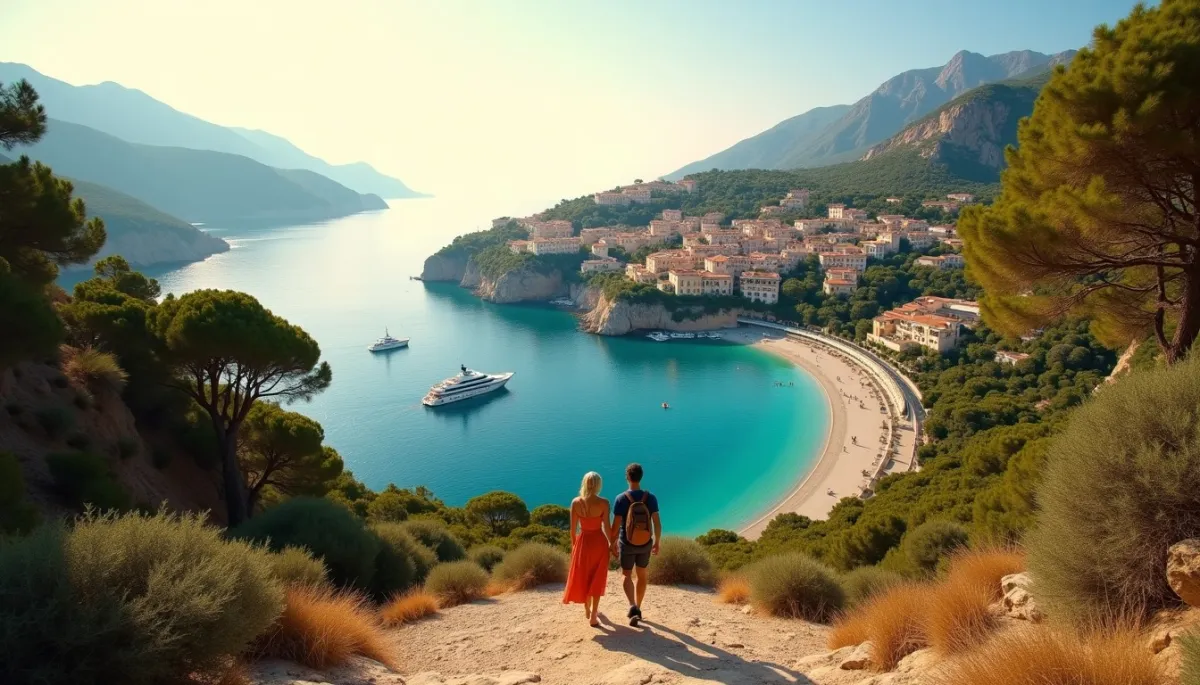
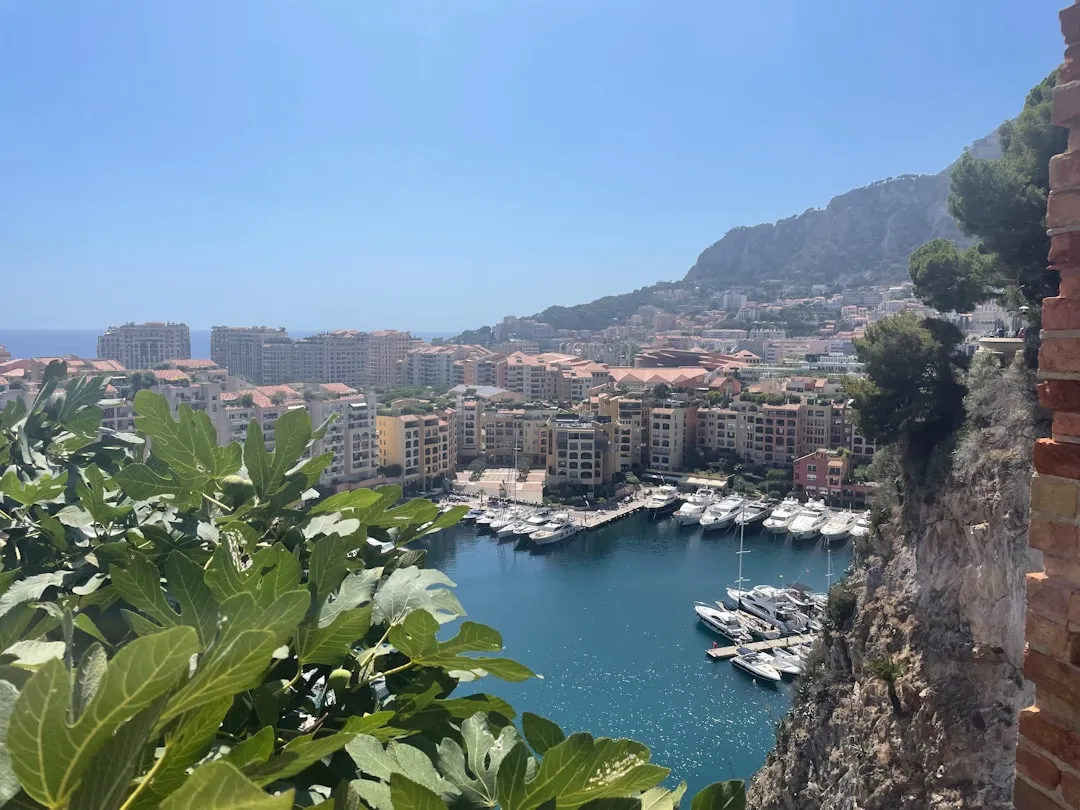
The view from the promontory is familiar: turquoise creeks, yachts, palm trees and pastel houses. For residents however, the panorama includes small, steady details — the boats hauled on the sand at low tide, the baker who opens before dawn, the smell of tomato and olive oil on a summer evening.
In this piece I collected snapshots of daily life from Nice to Menton, and from Èze’s cliffs to Saint-Tropez’s backstreets. These are the gestures and places that give the Riviera its texture, whether you live here or come for the first time.
What locals love most
Residents will tell you they love the light. It is true: the angle of the sun shapes everything, from the way bougainvillea burns brighter to the timing of aperitifs on a terrace. But beyond light, people cherish continuity. Old fishermen still mend nets in Villefranche-sur-Mer, perfumers in Grasse still press lavender, and market sellers at Cours Saleya keep recipes and gossip alive.
There is pride in small-scale know-how. A carpenter in Antibes will show you a boat he helped restore. A baker in Menton will explain why socca and pissaladière are linked to seasonal produce. These everyday crafts are the intangible patrimony of the coast.
Everyday life on the coast and in the hills
Life on the Riviera oscillates between sea and hinterland. Coastal towns bustle in summer and find quieter rhythms off-season. Inland villages like Saint-Paul-de-Vence or the villages around Grasse keep agricultural calendars: olive harvests, citrus seasons, grape picking. Locals move between beaches, markets and mountain tracks with ease.
Transport reflects that duality. Trains and coastal buses connect towns, while narrow corniche roads invite slow drives with panoramic stops. For residents, timing matters: beaches are best at sunrise or late afternoon, markets are busiest at dawn, and village cafés fill mid-morning with older neighbors catching up.
Hidden corners and local rituals
If you want a local’s Riviera, skip the most photographed spots at midday. Walk the Sentier du Littoral at Cap d'Antibes to find secluded coves, explore Plage de la Mala near Cap d'Ail early in the day, and wander the Fort Carré in Antibes for quiet views of the harbor. In Nice, the Parc du Mont-Boron offers an overlooked panorama above Villefranche.
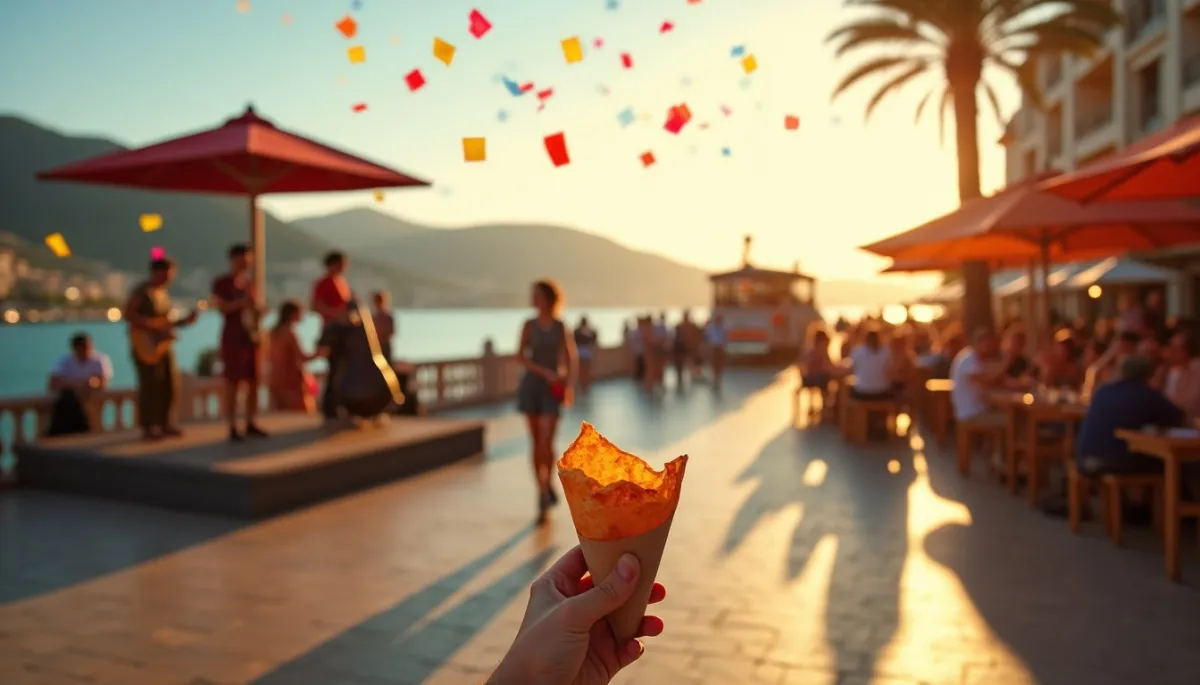
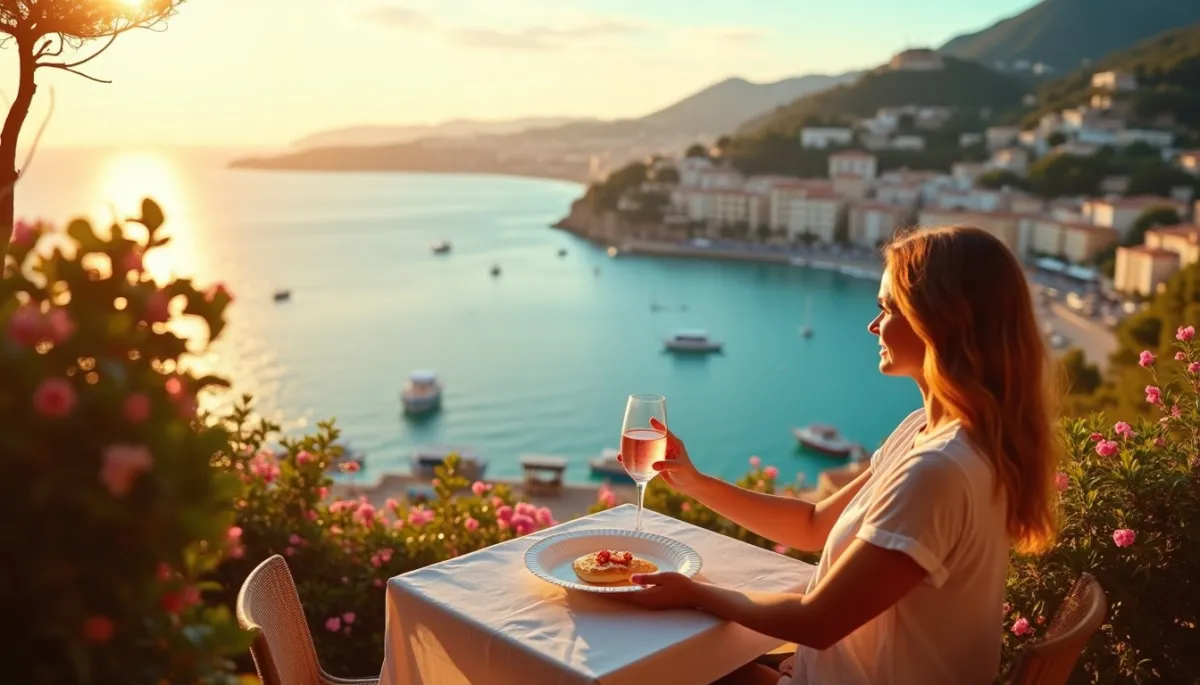
Rituals matter. An evening aperitif around a shared bottle of rosé, a plate of grilled sardines or socca eaten standing in a square, a Saturday morning at a farmers' market — these are the small ceremonies that reveal the Riviera’s soul. Attend a neighborhood fête or a small festival and you will meet the people who keep the place alive.
Practical advice from residents
Timing is your ally. Arrive early to markets and beaches, use local buses or the TER train to avoid parking stress, and book restaurants in high season. Ask shopkeepers for recommendations: they often name a hidden beach, a trustworthy boatman for short trips, or a family-run bistro with the best bouillabaisse.
Respect everyday life. Locals value serenity and tradition. Learn a few French phrases, buy from artisans, and treat public spaces with care. By moving like a neighbor rather than a tourist you discover stories worth remembering.
Thanks for reading, and don't forget, Enjoy Life Moments!