Antibes old town: why modern writers made it their favorite refuge
🚀 Key Takeaways
- Key idea : Light, intimacy and history create an ideal workspace for writers.
- Practical tip : Visit early morning around the Marché Provençal or write from the ramparts at dawn.
- Did you know : Picasso used the Château Grimaldi as a studio in 1946, a creative milestone for the town.
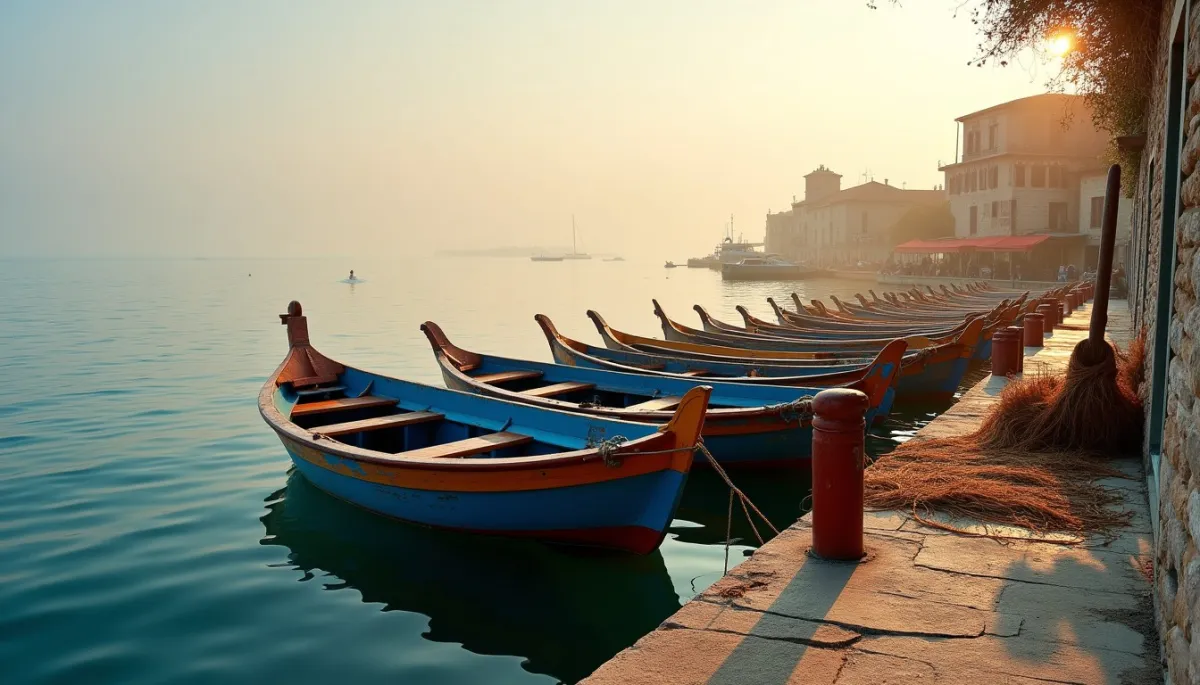
There is a hush at dawn in the Vieil Antibes.
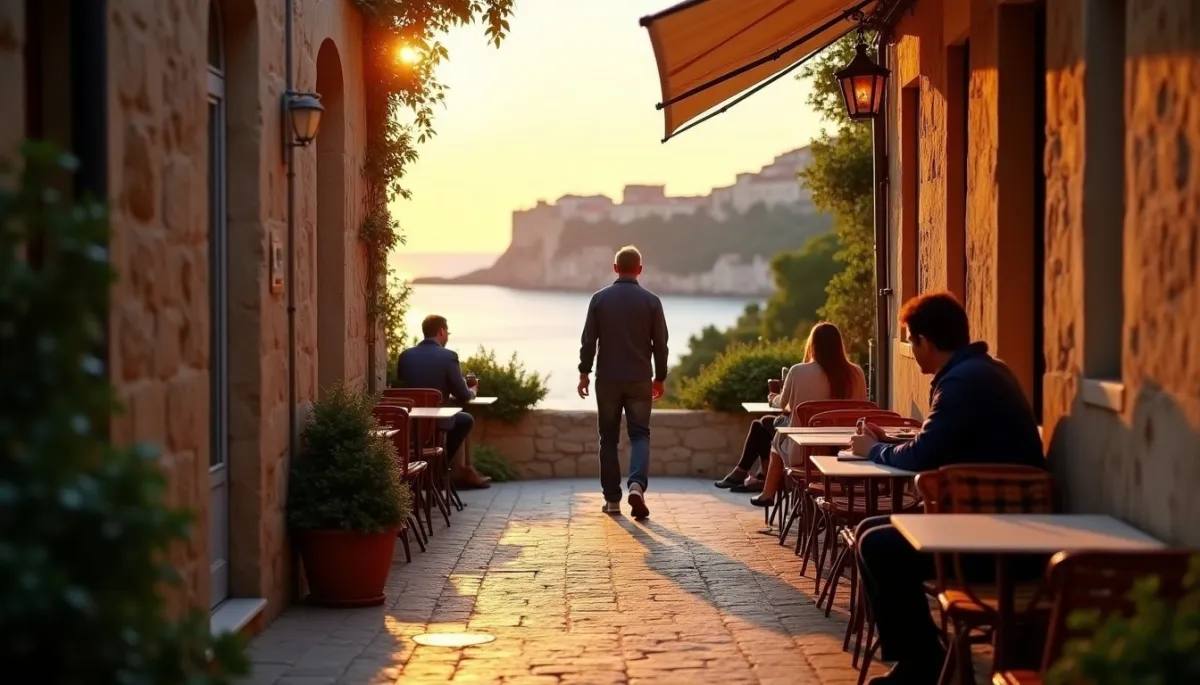
Stroll the narrow Rue de la République as the baker wheels warm baguettes out, feel the limestone walls still cool from night, and watch Mediterranean light spill across café tables. A young novelist in a light jacket opens a notebook, an older poet sips coffee and listens. The sea glints beyond the ramparts, and all the elements seem to conspire to create focus.
Lumière et calme
The most immediate reason writers choose the old town is its light, both literal and figurative. The Mediterranean sun sculpts sentences: mornings are crisp, afternoons mellow, evenings are soft, a cycle that mirrors many writers' rhythms.
Antibes' position between Nice and Cannes concentrates that light. The Vieil Antibes, with its low buildings and narrow streets, shelters from fierce winds, producing long hours of usable daylight. Many authors report a tangible boost in concentration when they work from terraces or the ramparts at sunrise.
For practical planning, spring and early autumn are gold mines. The tourist swell of July-August changes the tempo; April-May and September offer quiet streets, manageable cafés and mild nights for long writing sessions.
Histoire palpable
The town's past is another magnet. Antibes began as the Greek Antipolis, around the 5th century BC, and its layers of history remain visible. The ramparts, small museums and the narrow, uneven paving invite reflection and research, ideal for writers who feed on detail.
A key historical anchor is the Château Grimaldi. In 1946 Picasso worked there, later donating works that seeded the Musée Picasso. That episode left a cultural imprint: Antibes is a place where visual and literary arts meet. Jazz à Juan, the jazz festival in nearby Juan-les-Pins, launched in 1960, reinforced the area as a living cultural scene, attracting artists across disciplines.
Writers often mention the sense of continuity, the idea that their sentences join a long local story. For those researching historical fiction or essays about Mediterranean life, archives in the town hall and local libraries are accessible and surprisingly generous to visiting researchers.
Rythme et rencontres
Beyond light and history, the Vieil Antibes offers a human scale that writers crave. Streets are short, cafés are intimate, and chances to bump into other creatives are high. This density produces serendipity: a chance conversation at the Marché Provençal, a recommendation from a bookseller, an invitation to a small reading.
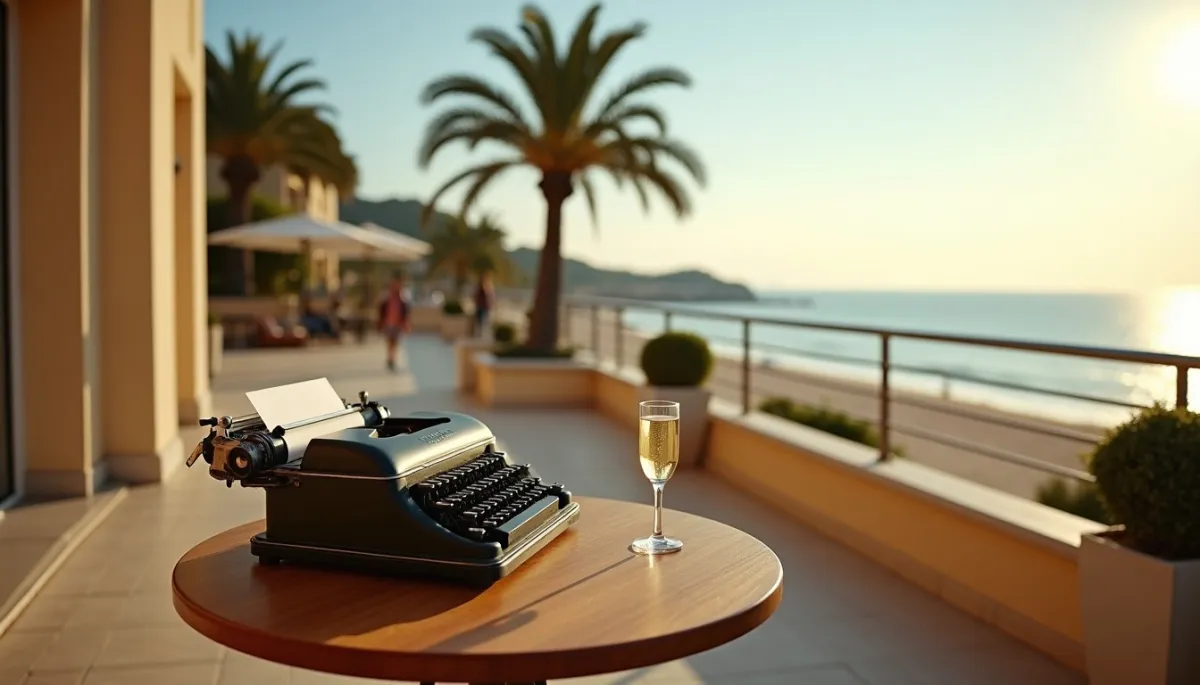
Since the 2010s, a subtle trend has accelerated: writers seeking retreats away from overloaded urban centers. Remote work, short literary residencies (residences d'écriture, usually one to three months) and the rise of flexible stays have made Antibes an attractive base. Local guesthouses and boutique hotels advertise quiet rooms with sea views and work nooks, tailored to that need.
Yet there are tensions. Popularity brings tourism, higher prices and occasional noise. The challenge for the town will be preserving the fragile intimacy that draws writers, while welcoming visitors. Local initiatives, like limited-hour traffic zones in summer and support for cultural programming, aim to balance both.
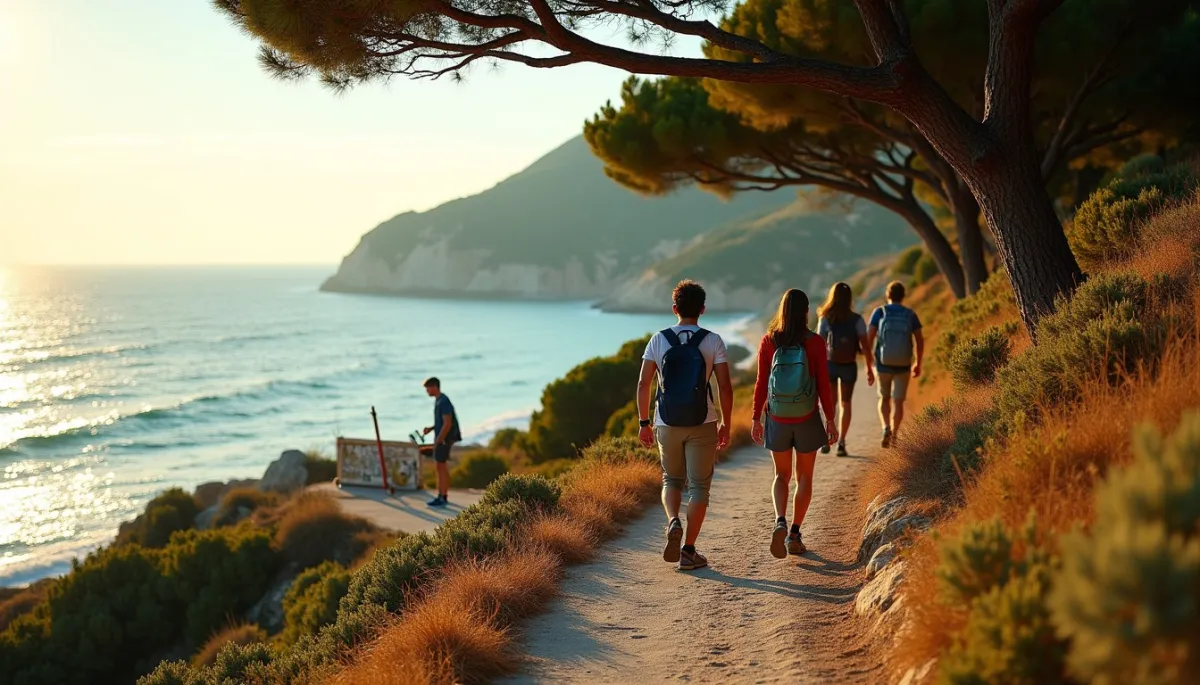
Practical advice: choose accommodation inside the ramparts to cut commute time to cafés and museums, arrive in shoulder season for quiet mornings, and build time for sensory walks along the ramparts and the Provençal market. Carry a small notebook; inspiration often arrives between a cheese stall and a fountain.
Thanks for reading, and don't forget, Enjoy Life Moments!