Pre-Hispanic gastronomy: Maya jungle superfoods embraced by sports nutritionists
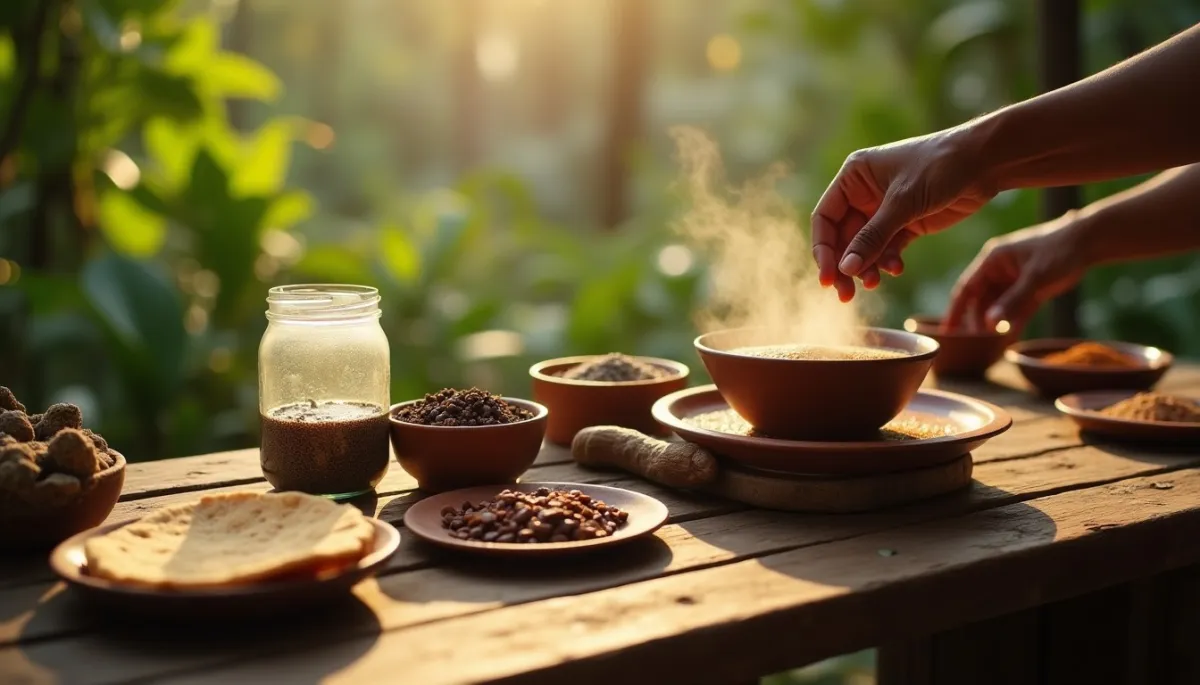
🚀 Key Takeaways
- Core concept : Ancient Maya ingredients provide dense, functional nutrition for endurance and recovery.
- Practical tip : Try chia fresca for hydration, amaranth porridge after long efforts, and incorporate cooked chaya into savory meals.
- Did you know : Ramón (Brosimum alicastrum), long used by Maya communities, is a drought-resistant tree with nutrient-dense seeds that are now evaluated for sustainable food systems.
Close your eyes and imagine the heat and green hush of the jungle at dawn.
At a wooden stall in Mérida's Lucas de Gálvez market, a vendor crushes cacao nibs for a runner's breakfast. Nearby, a coach hands a mason jar of chia water to a cyclist leaving for a coastal training ride. That scene, half traditional, half modern, sums up a trend: foods cultivated and eaten by pre-Hispanic Maya communities are being reframed as performance allies by sports nutritionists in Mexico and beyond.
Jungle nutritive
For centuries, Maya diets were based on maize, but they also relied on a rich palette of jungle plants and tree crops. Seeds like chia (Salvia hispanica) and amaranth (huauhtli) supplied concentrated energy and protein. Cacao was more than a delicacy. Archaeological evidence shows cacao use in Mesoamerica for at least 3,000 years, as a ceremonial drink and calorie-dense beverage.
In the last two decades, sports nutrition has taken notice. Chia, prized for its omega-3 (alpha-linolenic acid), soluble fiber and water-binding gel, reappeared in athletic circles as a hydration and endurance aid. Amaranth, a pseudo-cereal high in lysine (an essential amino acid often limited in cereals), is evaluated for recovery and muscle repair. Cacao, rich in polyphenols and mild stimulants, is used for antioxidant support and mood before long efforts.
Closer to the jungle floor, chaya (a leafy green native to the Yucatán) and ramón (Brosimum alicastrum, sometimes called breadnut) are attracting research interest for their micronutrient density. Chaya is high in vitamins A and C and iron, but it must be cooked (raw leaves contain compounds that are neutralised by heat). Ramón seeds and flour offer an energy-rich, long-shelf staple historically used by Maya communities during lean seasons.
Retour aux sources
Why now? Several converging reasons explain the renewed interest. Athletes and coaches increasingly look for whole-food, minimally processed sources of nutrients, away from single-ingredient supplements. The sustainability angle matters: ramón trees are drought-tolerant and integrate well in agroforestry systems, offering an alternative to monoculture crops.
Scientific attention has followed consumer demand. Peer-reviewed studies in the 2000s and 2010s quantified chia's mucilage properties, showing how it slows gastric emptying, offering steady energy release. Nutritional analyses demonstrate amaranth's superior amino acid profile compared to many cereals. Such findings give sports nutritionists evidence-based reasons to include these foods in periodized plans, rather than relying solely on isolated powders.
Local entrepreneurs and NGOs are catalysing the change. In Yucatán and Quintana Roo, small producers develop ramón flour and amaranth snacks, while chefs reinterpret traditional recipes for athletes: energy bars with amaranth and ramón, recovery bowls with cooked chaya and cacao nibs, chia-based electrolyte drinks for hot-weather training. The result is a bridge between ancestral foodways and contemporary performance needs.
À manier avec soin
Adoption is not without caveats. Traditional preparations often contain cautions: chaya must be cooked, and raw amaranth or unconventional processing can affect digestibility. Athletes must also balance macro ratios; an all-seed or all-flour diet won't replace tailored carbohydrate intake during high-volume training.
There are also economic and cultural sensitivities. As demand rises, there is a risk of commodifying plants that remain staples for rural Maya families. Ethical sourcing and benefit-sharing with local communities are crucial. Some co-operatives in the Yucatán now prioritise fair trade and eco-certification, but consumers should ask where their superfood comes from.
Looking forward, research continues. Trials on ramón's glycemic index and long-term food security potential are ongoing, and sports scientists are slowly designing randomized trials to measure performance outcomes from diets including these ingredients. Meanwhile, simple practical steps serve athletes today: use chia as a hydration aid (1–2 tablespoons soaked in 250–350 ml water with a pinch of salt), favor cooked chaya in savory meals for iron and vitamin A, and include amaranth porridge after long sessions for a mix of carbs and plant protein.
Back at the market, the runner finishes a cacao-spiced amaranth bar and smiles. Ancient flavors, modern needs, a shared table between past and present.
Thanks for reading, and don't forget, Enjoy Life Moments!