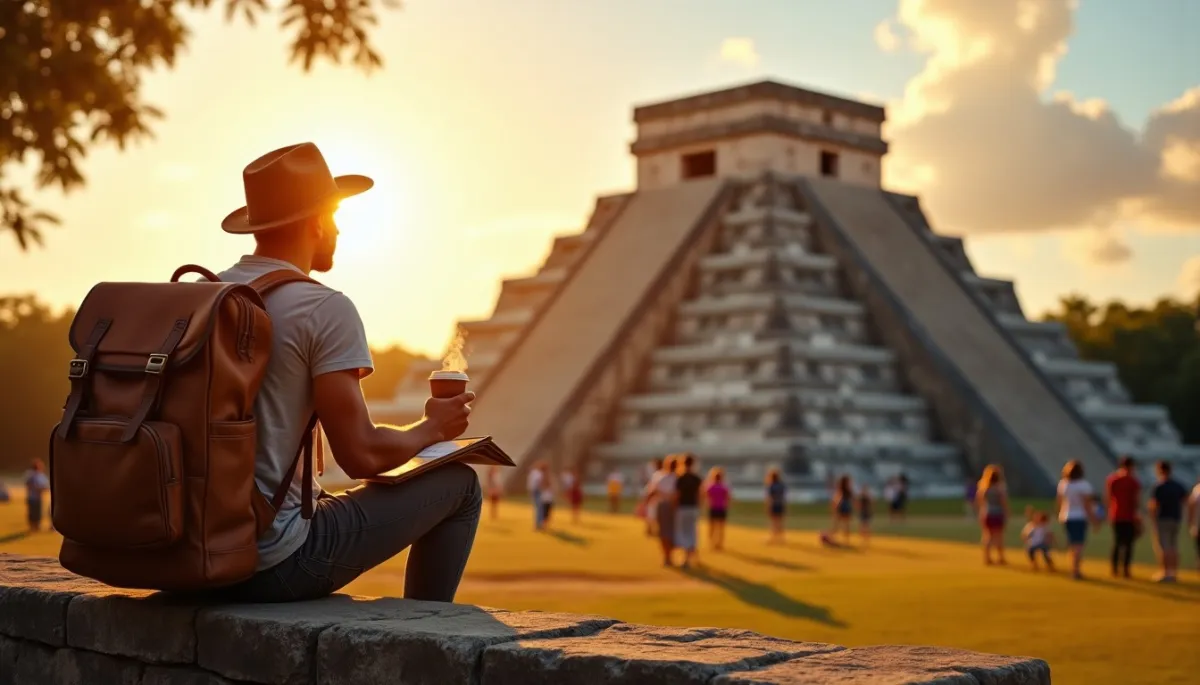
Mayan fire cuisine: why starred chefs return to ancestral methods
🚀 Key Takeaways
- Key concept : Top chefs are re-adopting ancestral Mayan fire techniques for flavor, sustainability and storytelling.
- Practical tip : Visit a certified community pib or cooking collective during the cool season, book in advance and respect local rules.
- Did you know : The pib underground oven predates colonial times and delivers a unique smoky, earthy texture that cannot be replicated by modern grills.
The Riviera Maya is living a quiet culinary revolution. In recent years, starred chefs and culinary teams have begun to look not toward the latest gadget, but to centuries-old Mayan fire methods, seeking depth of flavor and cultural authenticity.
These techniques are not nostalgic theatrics. They reconnect food to local ecosystems, seasons and know-how, while offering diners a narrative that ties a plate to a landscape and a community.
Why fire matters
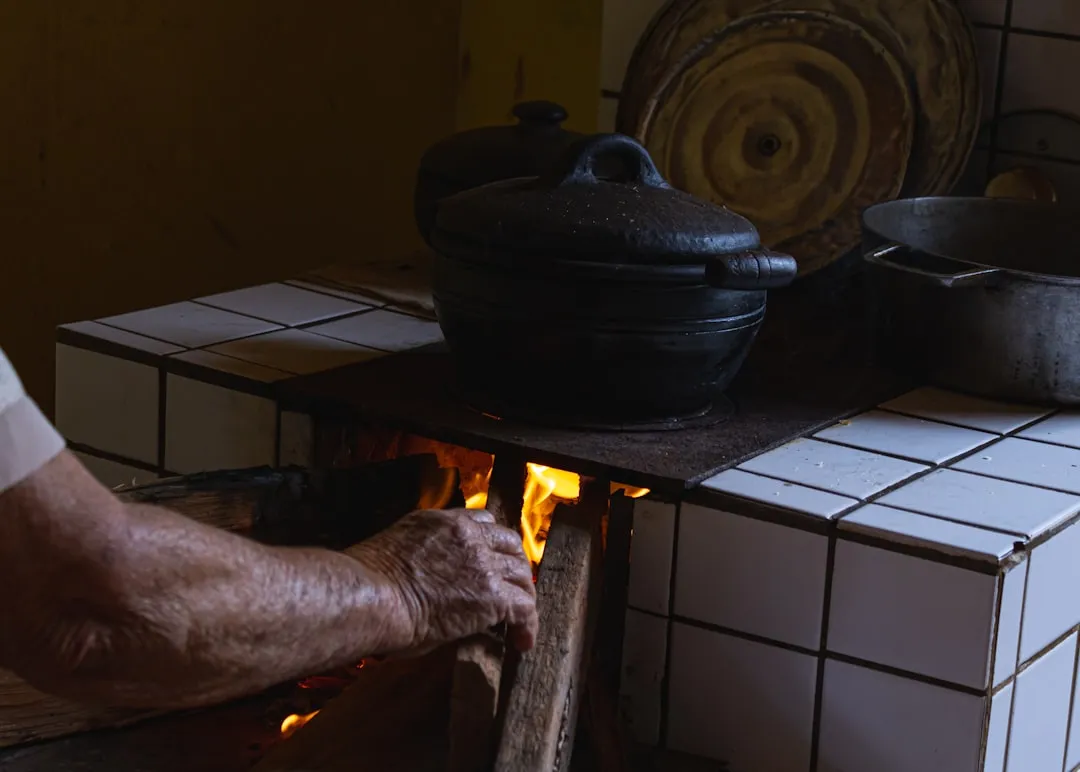
Fire is a flavor engine. Slow cooking in earth ovens, direct wood grilling and smoke aging trigger chemical reactions like Maillard caramelization and smoke infusion, producing textures and aromas modern stoves struggle to mimic.
Beyond chemistry, fire is a storyteller. The choice of wood, the patience of ash management and the timing of embers reflect a lineage of tastes. For chefs, that sensory depth enriches a menu with place-specific identity.
Mayan techniques in practice
The pib, an underground oven, remains central. Meats, root vegetables and wrapped corn parcels cook in layered heat, sealed with leaves and earth, giving a moist, smoky result often found in dishes like cochinita pibil.
Other tools include the comal for tortillas and chiles, and the metate for grinding nixtamalized corn. These methods emphasize whole ingredients, time and manual craft, and they always consider seasonal cycles and what the land offers.
Why starred chefs are coming back
Chefs seek authenticity that is both ethical and edible. Working with Mayan techniques means collaborating with local cooks, sourcing native woods and heirloom maize, and offering dishes that tell a lineage rather than a trend.
There is also a sustainability argument. Slow, wood-based cooking, when managed responsibly, can favor local biomass cycles, reduce reliance on imported fuels and support small-scale producers who steward the land.
How to taste and participate respectfully
If you want to experience this revival on the Riviera Maya, choose community-led experiences. Book a meal with a certified collective, ask about ingredients and avoid performances that turn ritual into spectacle.
Visit during the cooler, drier months from November to March, when pit cooks work comfortably and events are more frequent. Always ask permission before photographing ceremonies and consider tipping or buying ingredients directly from local producers.
Thanks for reading, and don't forget, Enjoy Life Moments!