The pre-loved revolution: how high-end resale is booming
🚀 Key Takeaways
- Core concept : Pre-loved means gently used luxury, authenticated and resold for new life.
- Practical tip : Favor platforms with robust authentication and transparent condition grades.
- Did you know : Consumers aged 25-40 are the fastest-growing buyers of pre-owned luxury, blending sustainability and status.
Love at first sight, again.
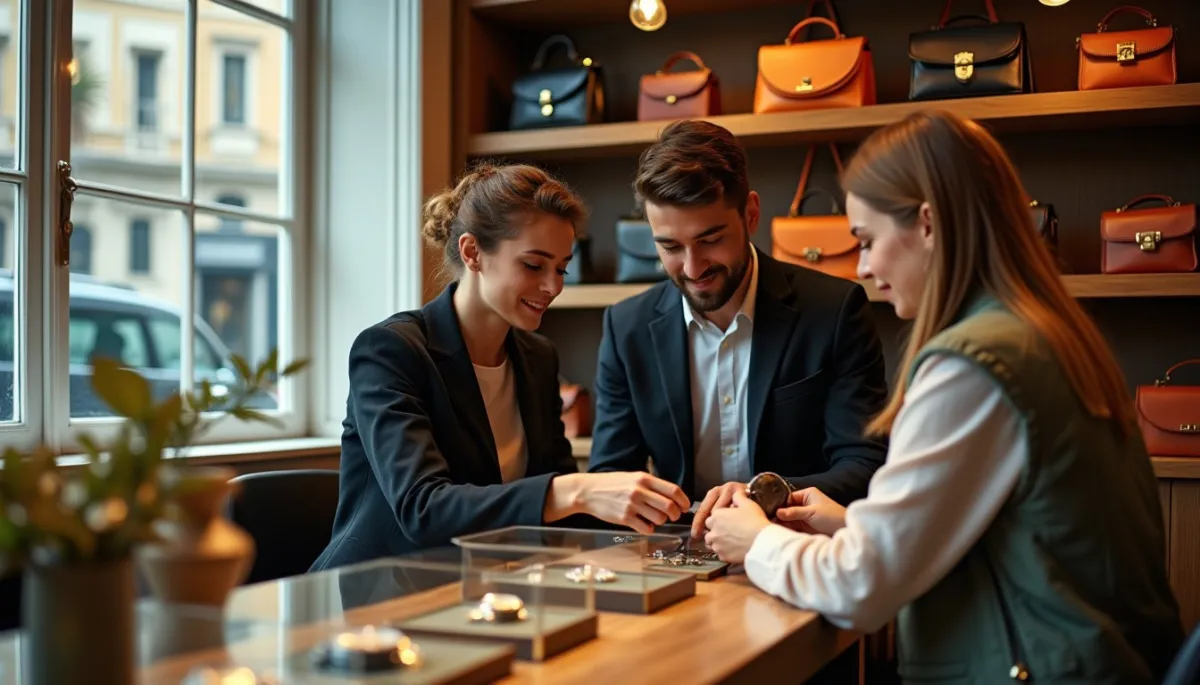
Picture a sunlit shopfront in the Marais, Paris, where a classic Chanel flap bag sits beside a vintage Rolex, each tagged with provenance, service history and a fair price. A young couple compares serial numbers on their phones, an older collector chats with a seller about patina, and a tourist discovers a dream piece at half the price of a boutique. The air smells of coffee and old leather; transactions feel like small cultural exchanges.
Une demande éclatante
The market for pre-loved luxury has grown from curiosity to mainstream. Specialist platforms such as Vestiaire Collective, The RealReal, Rebag and independent boutiques now host millions of listings, and auction houses allocate larger sales to pre-owned handbags and watches.
Analysts note double-digit annual growth in many regions. High resale prices for icons (Hermès Birkin, Rolex Daytona) have taught buyers that secondary markets can preserve — and sometimes increase — value. These trends are visible in luxury hubs: Paris, London, New York, Tokyo and Seoul now host dedicated resale fairs and pop-ups where demand outpaces supply.
For brands, pre-loved is both a challenge and an opportunity. Some maisons accept certified trade-ins or launch certified pre-owned programs, while others watch the ecosystem grow beyond their direct control. The result: a reconfiguration of value, where provenance, condition and story matter as much as the logo.
Les raisons profondes
Sustainability is a headline reason. Consumers are more conscious of lifecycle impact, and buying pre-owned fits circular economy logic (reuse, repair, reduce). For many, a vintage piece is a meaningful alternative to fast consumption.
Economic forces also drive the trend. Post-pandemic, priorities shifted: experiences and curated wardrobes replaced impulse purchases. Younger buyers, in particular, view pre-loved as a smart way to access heritage pieces without the full new price. Social media accelerates desire, as Instagram and TikTok showcase rare finds and resale flips.
Technology and trust infrastructure matter. Advanced authentication methods, including trained experts, blockchain labels (for provenance) and machine-learning image checks, reduce fraud and increase consumer confidence. Logistics have improved too, with global shipping, returns and insurance making cross-border purchases ordinary.
Tons de nuances
Growth does not mean harmony. The market carries tensions. Some maisons fear dilution of exclusivity when their icons circulate widely. Counterfeiters evolve, and authentication races to keep up. Platforms face pressure to be transparent about seller fees, condition grading and sustainability metrics.
There is also a cultural shift: older collectors prize patina and repairability, while younger buyers sometimes treat flipping as speculation. This can create volatility in prices, and ethical questions about whether resale markets fuel overconsumption by monetizing used goods.
Looking ahead, expect more partnerships between brands and certified resale platforms, richer repair and certification services, and regulation around authenticity claims. For buyers, the smartest approach is simple: verify authentication, ask for condition reports, check return policies, and learn a few brand-specific signs (stitching, hardware marks, serial formats). A small investment in knowledge protects both wallet and taste.
Thanks for reading, and don't forget, Enjoy Life Moments!